
California reports $1B in mansion tax revenue as critics question transparency
Los Angeles has quietly crossed a symbolic threshold, collecting roughly $1 billion from its so‑called mansion tax in less than two years. The windfall was sold to voters as a powerful new weapon against homelessness and housing insecurity, but the pace of actual spending has lagged far behind the revenue. As pressure builds for results, the fight over how this money is tracked, disclosed, and deployed is turning into a broader test of whether California can tax its way out of a housing crisis while keeping public trust intact.
Supporters of the levy argue that the early haul proves voters were right to target luxury property deals to fund social needs. Critics counter that the structure of the tax is distorting the real estate market and that opaque budgeting has left vulnerable renters and unhoused residents waiting for help that was supposed to arrive quickly. The stakes now extend well beyond city limits, as state leaders and taxpayer advocates eye Los Angeles as a model, or a cautionary tale, for similar efforts across the Golden State.
How Measure ULA turned luxury sales into a housing revenue machine
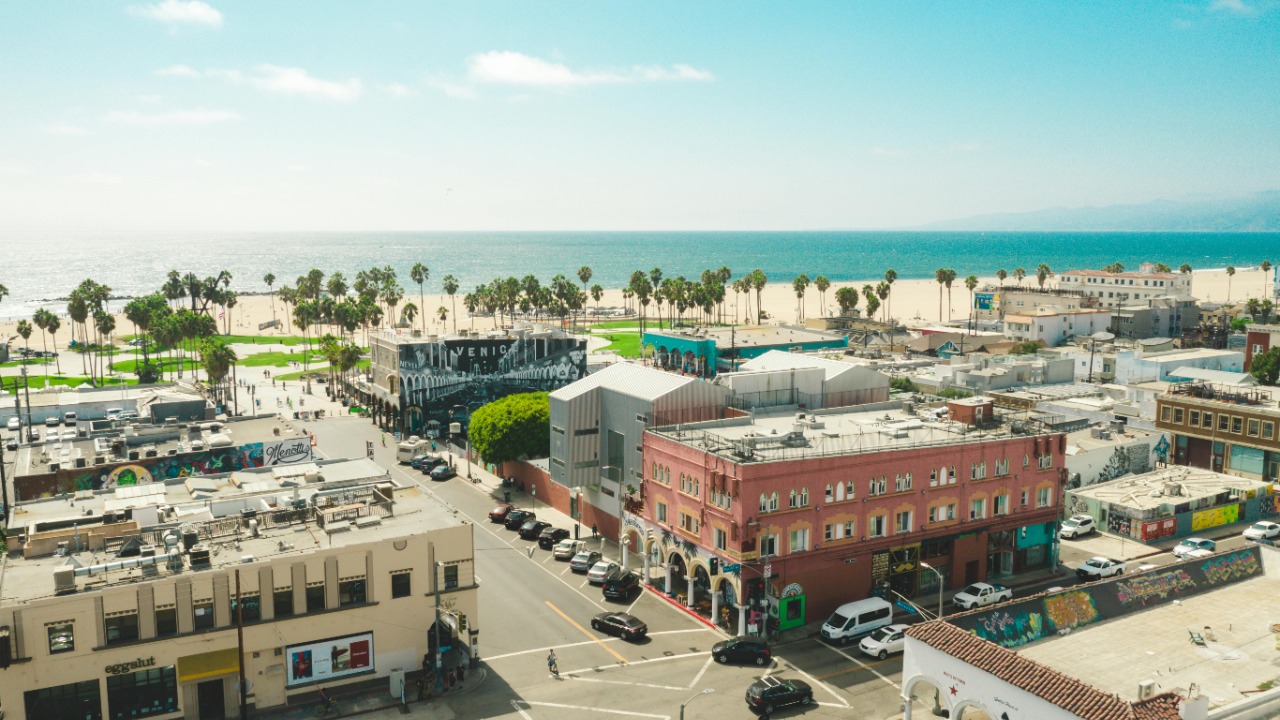
The mansion tax at the center of this debate is formally known as Measure ULA, a voter‑approved transfer tax on high‑value property sales in the city of Los Angeles. Passed in 2022, it layers a new charge on top of existing transfer taxes, targeting deals that clear a high price threshold rather than applying broadly across the housing market. The measure was pitched as a way to tap the city’s most expensive transactions and redirect a slice of that wealth into programs for tenants and people living on the streets.
Under the structure laid out in the ballot language, the tax imposes a 4 percent levy on property sales between $5 million and $10 million, and a higher rate on deals above that range, creating what supporters describe as “supersized” transfer charges on luxury transactions. Reporting on Measure ULA notes that this design was intentionally aggressive, aimed at raising substantial sums from a relatively small slice of the market. That structure is what allowed the city to cross the billion‑dollar mark so quickly, even as the number of qualifying sales has fallen.
A billion‑dollar haul, but only a fraction reaching affordable housing
City records show just how quickly the money has piled up, and how slowly it has been put to work. Since the tax took effect, the mansion levy has generated $1.03 billion in revenue, a staggering sum by any local standard. Yet the same records indicate that only a small portion of that money has actually been disbursed for its core mission of building and preserving affordable housing or supporting tenants at risk of losing their homes.
According to those figures, just $93.9 million has been allocated so far, meaning less than 10 percent of the total haul has moved from city accounts into concrete projects or direct assistance. One breakdown puts the amount that has “actually been” committed to affordable housing at only $93.9 m, underscoring how much remains parked in funds that have yet to translate into new units or rental relief. That gap between revenue and results is what fuels the current transparency fight.
Where the money is coming from, and which neighborhoods feel it most
The billion‑dollar total is not spread evenly across the city’s map. Data on the first waves of transactions shows that a handful of affluent enclaves are carrying a disproportionate share of the new tax burden, reflecting long‑standing patterns in the luxury market. In some neighborhoods, the levy now applies to a large share of sales, while in others it barely registers, reinforcing the sense that the policy is targeted at a specific tier of wealth.
One analysis of early collections found that the mansion tax has already raised $1 Billion, with “These Neighborhoods Are Paying the Most” in terms of total dollars and share of affected deals. The same dataset, credited By Julie Taylor at a major real estate platform, highlights how a relatively small number of high‑end ZIP codes account for the bulk of qualifying sales. That concentration has sharpened political opposition in those communities, even as citywide polling still shows broad support for taxing luxury deals.
Inside the fine print: how the tax actually works on closing day
For sellers and their advisers, the mechanics of Measure ULA are no longer an abstraction but a line item that can reshape a deal. The levy applies on top of existing city and county transfer taxes, and it is triggered automatically when a sale price crosses the $5 million threshold. That means a seller who might have priced a property just above that line now has to weigh whether the extra proceeds justify a multimillion‑dollar tax bill, or whether to cut the price to slip under the limit.
Legal and business analyses of the measure emphasize that the ULA imposes an additional transfer tax that can reach several hundred thousand dollars or more on a single transaction. Commentators writing under the banner “The Mansion Tax Affects Los Angeles Business” note that this has become a central factor in negotiations, with some buyers demanding price concessions to offset the levy and some sellers exploring complex deal structures to minimize exposure. Those practical realities help explain why the tax has both raised significant revenue and, according to critics, chilled parts of the market.
Evidence of a market chill and the risk of unintended consequences
Beyond anecdote, there is emerging empirical work suggesting that Measure ULA has altered behavior in the upper reaches of the housing market. Researchers tracking transaction data before and after implementation have found a noticeable drop in the number of high‑end deals, particularly in the price bands directly targeted by the new levy. That pattern aligns with what many brokers describe on the ground, a slowdown in listings and a tendency for owners to hold rather than sell into a punishing tax environment.
One study focused on the “Unintended Consequences of Measure ULA” concludes that We present evidence suggesting that Measure ULA has reduced higher‑end real estate transactions in Los Angeles. The authors warn that, Since Measure ULA took effect, the decline in sales could dampen investment and slow local revitalization efforts in some corridors that rely on redevelopment capital. That tension between raising money for housing and potentially constraining the very market that generates it is now central to the policy debate.
Legal challenges and the Howard Jarvis campaign against the tax
Even as the city counts its new revenue, Measure ULA is under sustained legal attack from taxpayer advocates who argue that the levy violates state constitutional limits. The most prominent of these efforts is led by The Howard Jarvis Taxpayers Foundation, a group that has long positioned itself as a guardian against what it sees as overreach by local governments. Its lawyers have pursued multiple lawsuits seeking to invalidate the measure outright or at least narrow its scope.
In a detailed account of that strategy, the foundation describes how Howard Jarvis Taxpayers continues to battle in the courts to have Measure ULA, the Los Angeles “mansion tax,” declared invalid. The group argues that the measure conflicts with statewide rules on special taxes and voter thresholds, and it has framed the fight as part of a broader campaign to rein in local fiscal experiments. While the cases wind through the system, the tax remains in effect, but the legal cloud adds another layer of uncertainty for both city budget planners and property owners.
City Hall’s spending promises and the growing transparency backlash
From the start, city leaders framed Measure ULA as a lifeline for renters and people experiencing homelessness, promising that the proceeds would be tightly focused on housing production, preservation, and emergency aid. Official descriptions of the program emphasize that the money is meant to fund new affordable units, legal assistance for tenants facing eviction, and direct support for “cash‑strapped renters” who might otherwise fall into homelessness. That framing helped secure a sizable majority at the ballot box, as voters signaled a willingness to tax high‑end deals in exchange for visible progress on the streets.
Yet as the revenue totals climb, critics argue that the city has not provided clear, accessible accounting of how each dollar is being used, or why so much remains unspent. Coverage of the internal debate notes that a sizable majority of the city’s voters approved the tax in 2022 on the understanding that it would quickly expand support for those renters. The revelation that only $93.9 million of $1.03 billion has been deployed so far has fueled accusations that City Hall is moving too slowly and communicating too little about the bottlenecks.
From local skirmish to statewide political test
The fight over Measure ULA is no longer confined to Los Angeles city limits. As the tax’s revenue and controversy have grown, statewide actors have begun to treat it as a proxy battle over how far local governments can go in targeting wealth to pay for social programs. Housing advocates see the measure as a template that could be replicated in other jurisdictions, while taxpayer groups warn that allowing it to stand will open the door to a wave of similar levies across California.
Analysts tracking the political fallout note that the mansion tax has become the center of a coming political battle in the Golden State, with both sides eyeing potential ballot measures that could either entrench or roll back local authority. One account framed the broader stakes by urging readers to Sign up for ongoing coverage of how the fight might reshape state tax law. The outcome will help determine whether Los Angeles remains an outlier or becomes the first in a wave of cities using luxury real estate as a dedicated funding stream for housing.
Why reform efforts stalled and what comes next for Measure ULA
Inside City Hall, the early months of implementation sparked talk of technical fixes to Measure ULA, including possible tweaks to thresholds or exemptions to address concerns from small business owners and nonprofit institutions caught in the net. Some council members floated adjustments that would preserve the core revenue stream while smoothing out what they saw as unintended side effects. Those discussions reflected a recognition that the measure’s aggressive design, while lucrative, might also be too blunt in certain edge cases.
Yet recent reporting indicates that proposals to revise the tax have effectively been shelved, at least for now. One account of the internal deliberations notes that tax, known as, will not be tweaked in the near term, leaving the original structure in place even as criticism mounts. A separate analysis underscores that Measure ULA is likely to remain unchanged while the city focuses on defending it in court and ramping up spending. That decision raises the stakes for transparency: if the tax is here to stay, at least for the medium term, the pressure to show clear, timely results from its billion‑dollar haul will only intensify.

Leo’s been tracking game and tuning gear since he could stand upright. He’s sharp, driven, and knows how to keep things running when conditions turn.