Why hunters are worried about losing access even on private land
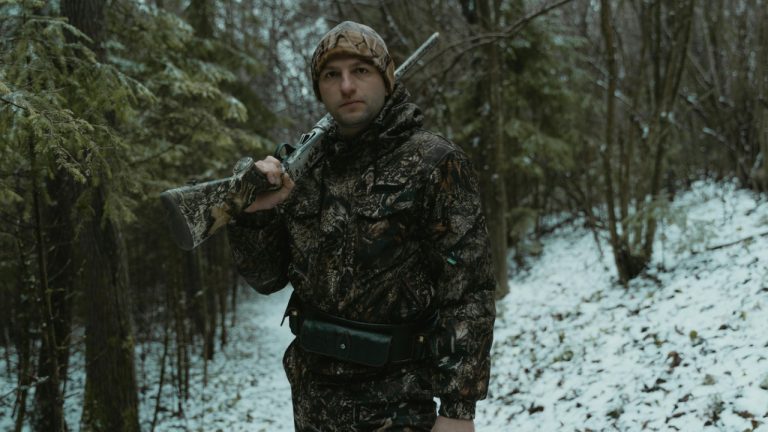
Across much of rural America, the hardest part of hunting is no longer finding game, it is finding a place to go. As more gates close and more “No Trespassing” signs go up, hunters are increasingly worried that access is slipping away even on private land where they once felt welcome. That anxiety is reshaping debates over property rights, conservation funding, and who gets to participate in a tradition that has long depended on handshake agreements.
The stakes reach far beyond weekend recreation. Hunting access underpins wildlife management, rural economies, and public support for conservation programs that rely on license and equipment sales. When hunters lose ground, so do the communities and habitats that have quietly benefited from their presence for generations.
The new access crisis behind the “No Trespassing” signs
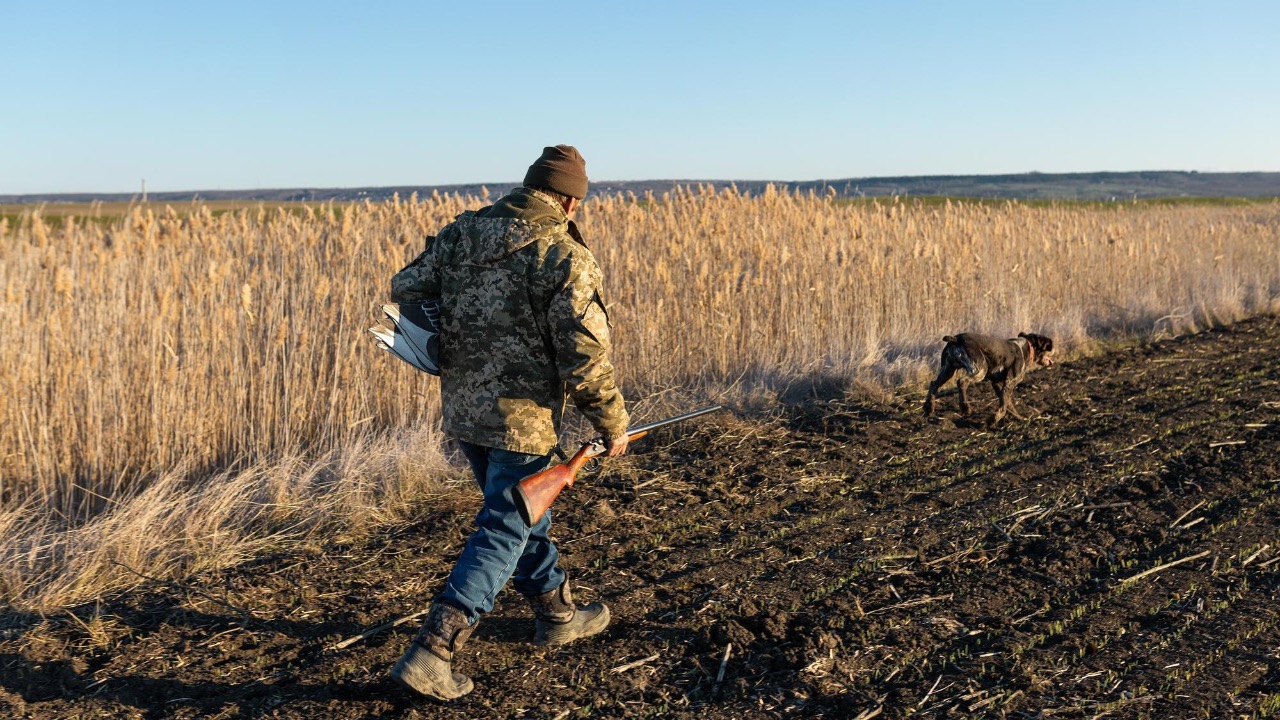
For many hunters I talk to, the most pressing challenge is not tags or gear, it is the simple question of where they are allowed to step. Nationally, Lack of access is now reported as the number one reason people stop hunting, a shift that reflects how quickly informal permission has eroded. Where knocking on a farmhouse door once opened tens of thousands of acres, many landowners now default to posting their property or leasing it to outfitters. That change is especially jarring in regions where private parcels surround the best habitat, turning what looks like open country on a map into a patchwork of off-limits ground.
This is not just a feeling, it is a structural shift in how land is owned and managed. An Overview of the issue notes that for most of America’s history, access to quality habitat was as easy as asking a neighbor, but that model is breaking down. As ownership consolidates into investment entities or fragments into exurban ranchettes, the default expectation has flipped from “open unless abused” to “closed unless paid.” Hunters sense that once a gate is locked for a lease or liability concern, it rarely swings back open.
How changing land ownership is squeezing hunters out
The access crunch is rooted in who owns the land and why. Research on Urbanization and shifting landowner demographics finds that more owners now live in cities, have less personal connection to hunting, and are more risk averse about letting strangers onto their property. At the same time, a growing population and rapid development are converting fields and timber into subdivisions, as documented by Dec work that cites Schulz and others on the pace of land conversion. Those trends leave less acreage in large, huntable blocks and more in small parcels whose owners may see hunting as a liability rather than a shared use.
Economic incentives are also reshaping the map. As one analysis of how states are responding notes, the drivers behind declining private land access include changing ownership patterns, habitat loss, and locals getting priced out as access becomes monetized, a dynamic summarized in reporting that quotes these pressures as key reasons private access is shrinking. When a landowner can lease to a single high-paying group or sell exclusive rights to an outfitter, the old model of free permission for local hunters becomes harder to justify, even for those who value tradition.
Liability fears, neighbor disputes and the quiet reasons gates close
Behind many newly posted fences are worries that have little to do with hunting itself. A study of factors affecting access to white-tailed deer (Odocoileus virginianus) habitat in the United States found that landowners weigh perceived Abstract risks, including liability protections, when deciding whether to allow access. Even where state law shields owners from most lawsuits, the fear of being dragged into court if someone is injured can be enough to push them toward closure. Add in concerns about property damage, gates left open, or livestock spooked by gunfire, and the calculus tilts further toward saying no.
State agencies hear a similar story from landowners who once welcomed hunters but now feel burned. In Maine, officials report that in addition to neighbor disputes, taxes, and fear of responsibility if someone gets hurt, many owners who post their land cite repeated trash dumping, unauthorized ATV use, and witnessing game law violations as bystanders, problems detailed in guidance on Exploring the Outdoors on private land. When a few bad actors cut fences or shoot too close to homes, the result is often a blanket closure that punishes every responsible hunter who used to cross that property line.
When hunter behavior costs everyone access
Landowners are blunt about why some of them have stopped saying yes. Wildlife officials in Idaho warn that Irresponsible behaviors of a few are causing access to disappear for many, citing examples like driving off-road, leaving gates open, and ignoring posted boundaries. Those incidents do not just sour one relationship, they ripple through rural communities where word travels quickly about who respects property and who does not. Once a rancher decides that hosting hunters is more headache than help, it is rare for that decision to be reversed.
The same Idaho message, reiterated on a later Monday advisory that referenced MDT timing, underscores how fragile these arrangements are. Access is often based on nothing more than trust and a phone call, so it can vanish overnight if a landowner feels disrespected. For hunters worried about losing ground, that reality makes peer pressure and self-policing as important as any policy fix, because every beer can left in a ditch becomes an argument for the next “No Trespassing” sign.
Corner-locked acres and the fight over who controls the checkerboard
Even where land is technically public, access can be blocked by private ownership patterns that leave hunters feeling shut out. An ongoing study by OnX and the Theodore Roosevelt Conservation Partnership estimates that nearly 16 million acres of federal and state parcels are surrounded by private land and effectively “corner locked,” meaning there is no permanent, legal way to reach them without crossing a private boundary, a problem highlighted in coverage of a Denver federal court decision that tried to clarify the corner crossing conundrum. For hunters, those acres might as well be on the moon, even though they are paying taxes and license fees that help manage the wildlife living there.
The same pattern shows up at the state level. According to a report by OnX and the Theodore Roosevelt Conservation Partnership, “6.35 m” acres of Western state lands are similarly blocked from public entry, a figure cited in an investigation of how private owners lock off access in California and other According to that reporting. Hunters see those numbers and conclude that even when land is held in trust for everyone, access can be functionally privatized by a few strategically located deed holders, deepening the sense that the deck is stacked against ordinary license buyers.
Why some landowners do not want hunters, even if they hunt themselves
Not every closed gate reflects hostility to hunting. In online forums, landowners explain that They want to hunt their own land without interference from anyone else, or that They are doing costly wildlife management and do not want outside pressure on the animals they are trying to grow, sentiments captured in a widely discussed Question regarding land access. For owners who invest heavily in habitat, food plots, and selective harvest, opening the gate can feel like inviting strangers to undo years of work in a single season. That perspective does not always sit well with neighbors who grew up roaming the same ground, but it reflects a genuine shift toward viewing wildlife as a managed asset.
Academic work backs up the idea that attitudes, not just acreage, are changing. A study that was Published online 13 Nov 2018 found that Published landowners who hunt themselves are more likely to allow access, but that effect is moderated by concerns about crowding, safety, and control. As Urbanization and demographic turnover bring in owners with different values, the pool of people inclined to share their land for free shrinks. Hunters sense that cultural connection slipping, which is why so many are anxious about losing access even in communities where hunting remains popular.
When conflicts escalate into bans and litigation
In the most contentious cases, the tension between hunters and landowners spills into courtrooms and legislatures. One viral video framed as “PRIVATE LAND OWNERS BANNED FROM HUNTING” captured a landowner’s frustration at being told that despite paying taxes and managing wildlife, they faced new restrictions on how and when they could hunt their own property, a complaint that surfaced in a Jan discussion. Whether or not every detail in such clips holds up, the anger is real, and it feeds a narrative that regulators and nonresident hunters are trying to dictate what happens on private ground. That perception can harden opposition to any public access program, even voluntary ones.
Advocates who work at the intersection of hunting and landowner rights warn that if these conflicts are left to fester, wildlife is the ultimate loser. One organizer wrote that some folks are afraid to have hard conversations about access out of a fear that digging into these issues might lead to litigation, a concern spelled out in a Mar commentary. A companion piece on the same theme argued that without better dialogue, more disputes will end up in court, with outcomes that could narrow access or impose new liabilities on both sides, a warning reiterated in a second Wildlifefocused analysis.
Programs that pay for access, and why hunters still feel uneasy
In response to these pressures, many states have built programs that pay landowners to open their gates. These initiatives, often funded by license dollars and federal grants, are designed to turn private parcels into walk-in areas for public hunting and fishing. Advocates argue that such Public access programs expand the benefits that hunters bring to wildlife and habitat, and that their expansion creates an opportunity to increase participation while supporting protection of natural resources. In practice, these contracts can keep marginal farms intact, reward good stewardship, and give hunters predictable places to go without relying on informal permission.
Yet even as these programs grow, hunters worry they are not keeping pace with what is being lost. A policy brief on Lack of access notes that limited funding and administrative hurdles can constrain how much land is enrolled, especially in high-demand areas. At the same time, some landowners remain skeptical of signing formal agreements, preferring either full closure or private leases. That leaves a gap between the promise of walk-in programs and the lived experience of hunters who still see more posted signs every fall.
Rebuilding trust so private land stays part of hunting’s future
Solving the access problem will require more than money, it will require rebuilding trust between hunters and landowners. Older research on the Literature around subdivision and access restrictions found that User misconduct and lack of communication were closely related to posting decisions, a pattern that still holds. When hunters take the time to meet owners, understand their concerns, and follow every rule to the letter, they create social capital that can keep gates open even as legal and economic pressures mount. Conversely, when they treat private land as an entitlement, they validate every fear that leads to closure.
Policy can help, but it must be grounded in that reality. Efforts to clarify liability protections, improve mapping so hunters know exactly where boundaries lie, and support mediation before conflicts escalate into lawsuits all respond to themes identified in work on access to public resources on private property, including the role of Schulz and colleagues in documenting how urbanization and conflict drive restrictions, as summarized in Access research. At the same time, hunters and conservation groups are pushing for more transparent data on which lands are open, building on tools that map public and private boundaries so no one has to guess where they stand.

Leo’s been tracking game and tuning gear since he could stand upright. He’s sharp, driven, and knows how to keep things running when conditions turn.