7 States struggling most with wildlife population imbalances
Wildlife numbers are swinging out of whack across the country, but some places are getting hit harder than others. From exploding deer herds to invasive grasses and “zombie deer” disease, these seven states show how quickly a healthy mix of critters can tip into a full-blown imbalance that reshapes hunting, driving, and day-to-day life.
1. Florida’s invasive pressure cooker
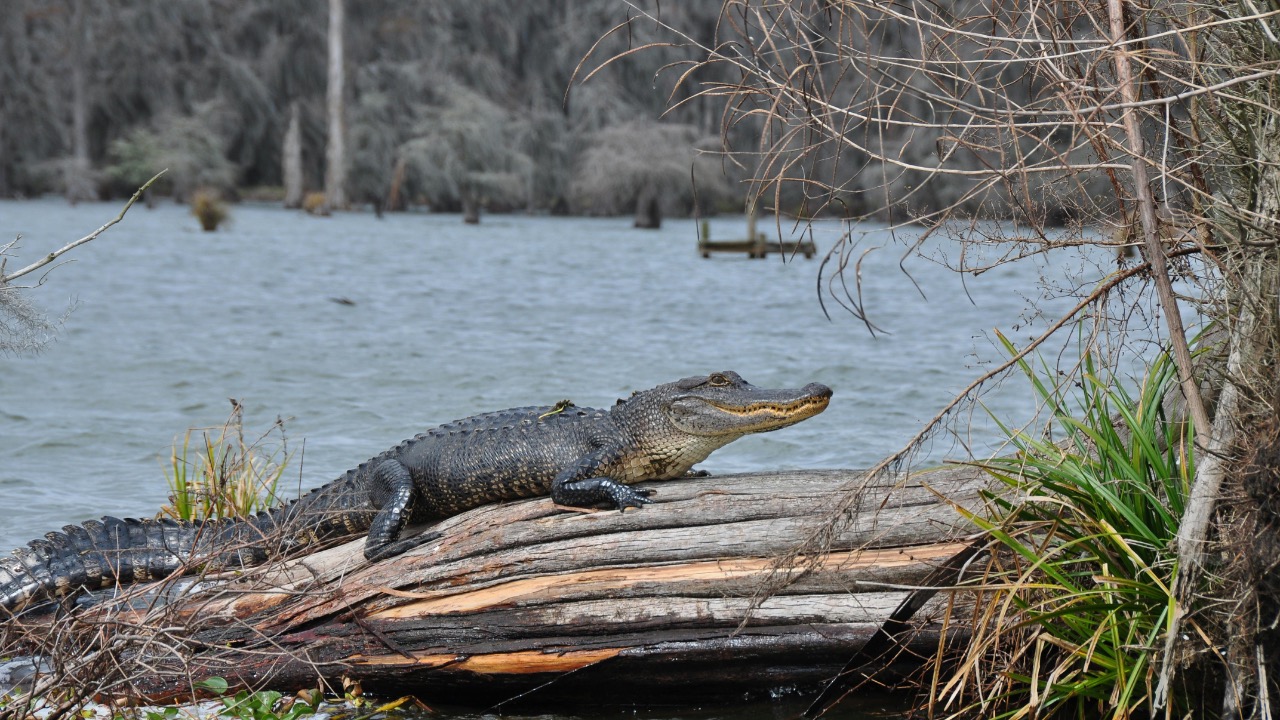
Florida is the poster child for what happens when a warm, wet state becomes a dumping ground for nonnative species. The state’s subtropical climate lets everything from pythons to exotic snails thrive, and the sheer human footprint in Florida keeps the introductions coming. With millions of people packed into coastal metros, every backyard pond and canal can turn into a launchpad for the next problem species.
That pressure sits on top of a global trend. Conservation groups have warned for years that a world population racing past 7 billion, highlighted in one 7 billion milestone, is squeezing habitat everywhere. In Florida, that means wetlands carved up by development and then overrun by invasives that outcompete native fish, birds, and reptiles, leaving hunters and anglers with fewer homegrown species and more management headaches.
2. Florida’s fragile native predators
The flip side of Florida’s invasive boom is the strain on native predators that are already hanging on by a thread. Iconic raptors like the Florida Snail Kite depend on healthy marshes and a steady supply of native apple snails. When water levels swing wildly and nonnative snails or vegetation move in, those birds lose both nesting cover and reliable food, and their numbers can crash fast.
A striking image of a Snail Kite skimming low over a marsh with a turtle in its talons shows how hard these birds are working to adapt. When a specialist predator starts grabbing unusual prey, it is a sign the usual menu is getting thin. For hunters and birders alike, that is a warning that the whole wetland food web is tilting out of balance.
3. Wisconsin’s deer boom and disease risk
Far from the subtropics, Wisconsin is wrestling with a different kind of imbalance, an increasingly dense deer herd that is colliding with people and habitat. Local reporting under the banner “Nov, Increasing, Wisconsin, OUTDOORS, Why” has laid out how high deer numbers chew down forest regeneration, hammer farm crops, and spike deer-vehicle collisions, turning whitetails from prized game into a year-round management problem.
Layered on top of that is chronic wasting disease, a fatal prion disease that, as federal scientists note, has been spreading among deer and elk “Since” its first detection in captive animals in Colorado. When you pack too many deer into a landscape, you create perfect conditions for CWD to move through the herd, forcing wildlife agencies to tighten regulations and hunters to think harder about where their venison comes from.
4. West Virginia’s runaway whitetails
If you want to see what peak deer imbalance looks like, head to West Virginia. A Feb analysis labeled “Key Findings, New, West Virginia” in The US States Most Affected By Deer Invasions On Their Property ranked the state at the top for deer-related property problems, with herds pushing into yards, gardens, and small woodlots that were never meant to hold that many animals.
That pressure shows up on the roads too. Insurance data highlighted in a separate look at Wildlife collisions pegs West Virginia drivers with some of the highest odds in the country of hitting an animal. When whitetails are that common in the headlights, it is a clear sign predators, habitat, and hunting pressure are not keeping the population in check.
5. Louisiana’s invasive stew and “zombie deer” threat
Down in the bayou, Louisiana is dealing with both invasive species and a creeping disease threat. Federal summaries flatly state that “Louisiana is home to some of the most destructive invasive species found in the United States,” a blunt assessment that covers everything from feral hogs to imported aquatic plants choking swamps and marshes that ducks, fish, and shrimp depend on.
On top of that, a report tied to the Louisiana Illuminator describes how chronic wasting disease, often dubbed “zombie deer” disease, is slowly moving through northern Louisiana deer. Wildlife managers are leaning on hunters to thin herds and submit samples, because once CWD gets established in wild deer, it is almost impossible to roll back, and that threatens both hunting culture and rural economies built around it.
6. Hawai‘i’s grass-fueled fire problem
Far out in the Pacific, Hawaii is facing a quieter but equally serious imbalance. Native forests evolved with limited fire, but “In Hawai” today, invasives like fountain grass, Guinea grass, and buffelgrass are taking over dry slopes and lowlands, turning them into tinderboxes that burn hotter and more often than native plants can handle.
Those fires do more than scorch scenery. They wipe out native birds and insects, open the door for even more invasive plants, and push game species into smaller pockets of usable habitat. For anyone who hunts or hikes the islands, that means more closed areas, more erosion, and fewer chances to see the native wildlife that makes Hawaii unique in the first place.
7. Arizona’s feral equines and stressed deserts
In the desert Southwest, Arizona is learning how quickly large, free-roaming animals can tip a fragile system. State biologists flag “Feral” burros and horses as a growing concern, noting that these animals compete directly with native wildlife for scarce water and forage, especially in drought years when every seep and stock tank becomes a lifeline.
Guidance on invasive and problematic species spells out how feral equines trample riparian areas, muddy waterholes, and push bighorn sheep, mule deer, and pronghorn off key ranges. For hunters and landowners, that means more conflict on the ground and tougher choices about how to balance the romance of wild horses with the hard reality of limited desert habitat.

Asher was raised in the woods and on the water, and it shows. He’s logged more hours behind a rifle and under a heavy pack than most men twice his age.