Wild animals known for unusually calm behavior around people
Some wild animals seem almost disarmingly relaxed when people are nearby, padding up to cameras, leaning into scratches or floating past snorkelers with unhurried curiosity. Their calm presence can feel like a rare truce between human and non‑human worlds, a reminder that not every encounter in nature is defined by fear. Yet even the gentlest species are still wild, shaped by instincts and pressures that do not disappear just because a tourist or hiker wants a selfie.
In this piece I look at animals that are widely described as unusually serene around people, from slow‑moving “sea cows” to famously unbothered rodents. I focus on how their biology and social behavior help explain that composure, and why experts stress that apparent friendliness should never be mistaken for domestication or consent.
Why some wild animals seem so relaxed around us
When people talk about “friendly” wildlife, they are usually describing animals that tolerate close human presence without obvious fear or aggression. In many cases, that calm is less about affection and more about survival strategy. Large herbivores that face few natural predators, or marine mammals that rely on group vigilance, can afford to conserve energy instead of bolting at every disturbance. Safari guides often explain that most wild species do not see humans as either hunters or prey when people stay inside vehicles, and that this neutral status helps explain why lions, elephants or antelope will graze or rest a few meters away without reacting.
One analysis of safari behavior notes that animals typically treat vehicles as a single, non‑threatening object, reinforcing the idea that, in the wild, most species are “neither predator nor prey” in relation to people and that Their primary instincts are focused on food, safety and reproduction rather than chasing conflict. At the same time, animal welfare advocates warn that calm behavior can be dangerously misread. Campaigners in Jan have highlighted that wild animals appearing docile or even approaching humans is often portrayed as happiness, when in reality it can signal stress, habituation or a lack of escape options, a point underscored in a widely shared post asking “What animal is the most docile towards humans? The Quokka, from Australia,” which links that question to broader concerns about how tourism affects Australia’s wildlife.
Quokkas: the “smiling” marsupials of Australia
Few animals have become viral shorthand for harmless charm quite like the quokka. These small marsupials, native to limited pockets of Australia, are often photographed with what looks like a permanent grin, and tourists flock to Rottnest Island for close‑up encounters. In online discussions, when people are asked “What animal is the most docile towards humans?” one recurring answer is “The Quokka, from Australia,” reflecting a popular belief that these animals are unusually tolerant of people and comfortable posing for photos.
Animal protection groups, however, stress that this apparent cheerfulness is a human projection rather than a reliable guide to welfare. One advocacy campaign in Jan warns that wild animals appearing docile or even approaching humans is frequently misinterpreted as happiness, when it can instead be a sign that the animal has learned that people bring food or that escape routes are limited, and it explicitly cites the Quokka as a species whose “smile” should not be romanticized. I see quokkas as a case study in how a calm demeanor can coexist with vulnerability, especially when constant human attention encourages risky behavior like begging for food or lingering on busy paths.
Capybaras: the internet’s favorite unbothered rodent
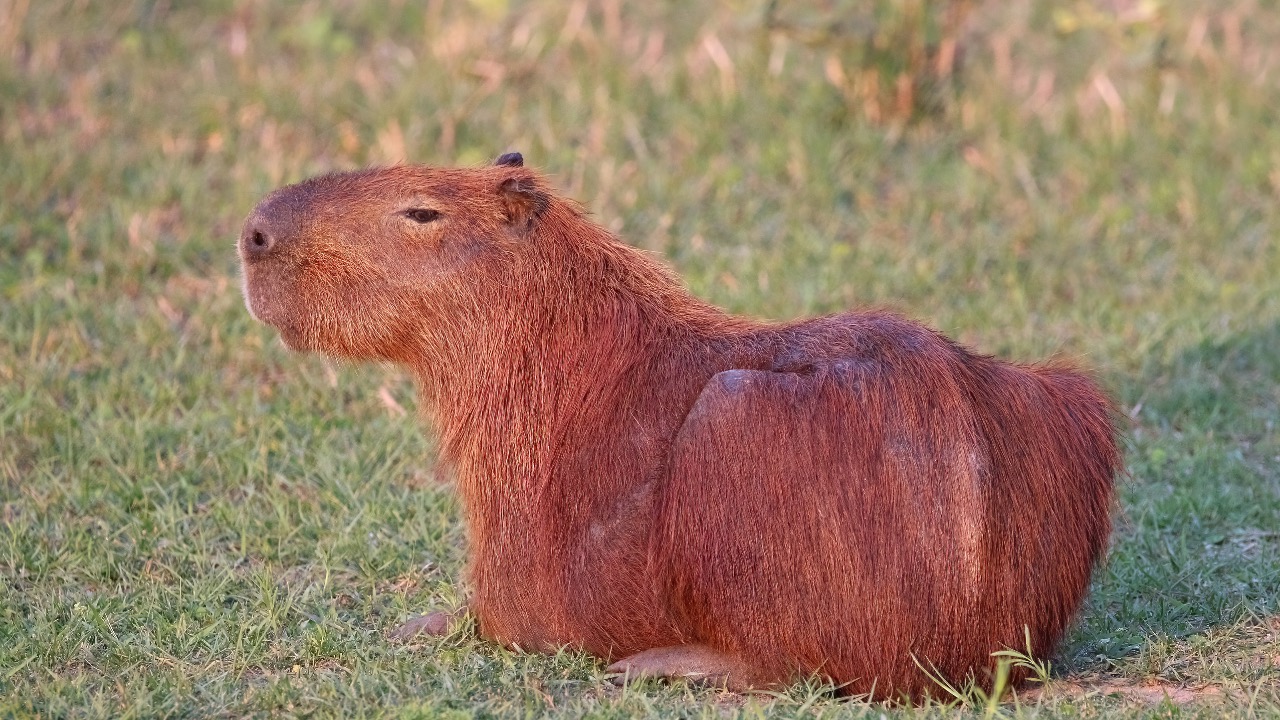
If quokkas are the poster animals for cute selfies, capybaras have become icons of pure relaxation. The world’s largest rodent, the capybara is semi‑aquatic and highly social, often seen lounging in groups along riverbanks or soaking in hot springs in viral videos. In one widely shared description, the “well known Kapybara” is praised for a calm and gentle demeanor and even labeled “the friendliest animal on Earth,” with fans noting that, Because of the positive and relaxed energy they give off, other animals feel comfortable resting on or near them, sometimes even perching on their backs for up to 5 minutes at a time.
That reputation has seeped into consumer culture, where a stationery set marketed around the Capybara notes that the species “has been rated by netizens as the animal with the most stable mental state,” appearing calm and half open eyed no matter what happens around it, from jostling in crowds to being stepped on by other animals. The product copy leans into this image of unflappable serenity, describing how a Capybara seems to accept even clumsy contact without complaint. In a Facebook group post from Oct, enthusiasts echo that view, calling the Kapybara the friendliest animal on Earth and celebrating how, Because of the relaxed aura it projects, other creatures seek it out as a living pillow, a portrayal that helps explain why capybaras are now shorthand online for staying calm under pressure.
From my perspective, that cultural status says as much about human longing for composure as it does about rodent behavior. The danger is that people may forget that capybaras are still wild, with sharp teeth and specific habitat needs, even if a Kapybara looks like the embodiment of patience in every meme.
Dolphins: social intelligence and gentle encounters
Dolphins occupy a special place in the human imagination, often portrayed as playful companions rather than wary wildlife. Their complex social structures and high intelligence make them naturally curious, and many accounts describe them approaching boats or swimmers with apparent interest rather than fear. A recent overview of calm species notes that “Dolphins Another calm and peaceful animal is the Dolphin,” emphasizing that They are extremely social in nature, love interacting with humans, and have very few cases of hostility recorded in typical tourism settings.
Commercial operators have built entire experiences around that reputation. One program in Turkey advertises that Dolphins are known for their calm and gentle nature around humans, promising that They will entertain visitors with jumps, splashes and even bubbles while maintaining safe, controlled interactions in the water. Promotional material for an Alanya attraction invites guests to “swim with dolphins,” highlighting how Dolphins can be hugged or kissed under trainer supervision, while a separate lifestyle feature on peaceful animals stresses that Dolphins Another calm and peaceful animal is the Dolphin and that They have very few documented incidents of aggression toward people in such contexts. I see these examples as evidence of genuine cross‑species tolerance, but they also raise hard questions about captivity and consent that cannot be answered by a smiley photo alone.
Manatees: slow “sea cows” that rarely show aggression
Manatees are often held up as the aquatic equivalent of a gentle giant. These large, slow‑moving herbivores graze on seagrass in warm coastal waters and rivers, and their unhurried movements have earned them the nickname “sea cows.” Wildlife blogs that rank approachable species routinely list MANATEE near the top, describing how Manatees are often referred to as cows of the sea and are undoubtedly among the friendliest animals in the world, with a tendency to investigate kayaks or snorkelers calmly rather than flee.
One detailed profile explains that MANATEE Manatees are often referred to as cows of the sea and that Manatees are known for their gentle nature, which makes them popular with eco‑tourists, while also stressing the need to manage human interaction in their natural habitat so that curiosity does not lead to collisions or harassment. A separate feature on wild animals with friendly reputations notes that Manatees These slow‑moving aquatic herbivores, often called “sea cows,” are known for their calm and peaceful nature, that They enjoy floating near humans in shallow waters and show no aggression toward humans when left undisturbed, and that such behavior has made They a symbol of peaceful coexistence in conservation campaigns. I read these accounts as a reminder that slowness and size can sometimes be protective, allowing an animal to ignore human commotion rather than react defensively.
Giraffes: towering but typically tranquil browsers
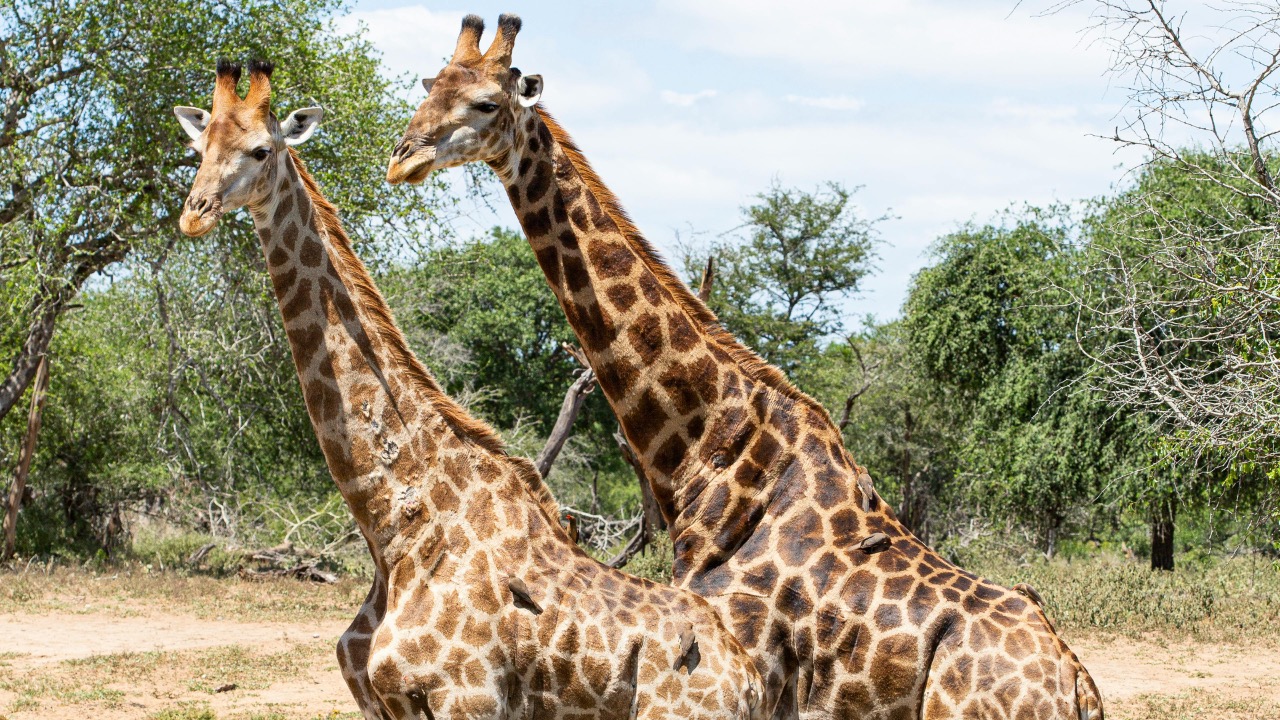
On African savannas, giraffes often appear as calm silhouettes against the horizon, moving with deliberate steps between acacia trees. Their height gives them a wide field of view, which may reduce the need for skittish behavior, and they spend long stretches of the day browsing quietly. Safari operators in Uganda describe Giraffes as much known to be the most calm and peaceful animals in the wild, noting that visitors can often watch them at relatively close range as they feed or rest without provoking a reaction.
That serenity has limits, particularly when calves are threatened. The same field reports emphasize that giraffes can become violent in case they are attacked, especially when predators emerge from thickets trying to grab the young calf, and that adults will use powerful kicks to defend their offspring. A detailed description of Murchison Falls National Park highlights how Giraffes are generally peaceful browsers but can pivot quickly to aggression when necessary. For me, giraffes illustrate how an animal can be both emblematic of calm and fully capable of force, depending on context.
Other famously calm mammals: from deer to seals
Beyond these headline species, a range of mammals are consistently described as gentle or low risk in human encounters. Lifestyle features on the “safest mammals” point out that, While many mammals are known for their ferocity and danger, there are also those that are remarkably gentle and pose little to no threat to humans, highlighting species that rarely initiate conflict and tend to avoid confrontation. These lists often include animals like rabbits, certain deer and small antelope, which rely on flight rather than fight, as well as some primates that show tolerance in heavily visited parks.
Marine mammals also feature prominently in accounts of calm wildlife. Behavioral research notes that When we meetmarine mammals underwater, we are apt to be subjects of intense curiosity, with Sea lions, fur seals and harbor seals sometimes dashing around divers in playful loops before retreating to a safe distance. A broader survey of low‑risk species stresses that, While many mammals are known for their ferocity and danger, there are also those that are remarkably gentle and pose little to no threat to humans, and that this group includes several herbivores and coastal species whose default response to people is avoidance rather than aggression, a pattern that one analysis of the Whilesafest mammals links to low rates of conflict.
How tourism and social media shape “friendly” reputations
The animals that become global symbols of calm are not always the ones that are objectively least dangerous. Instead, they are often species that live in accessible locations, tolerate crowds and photograph well. Travel blogs and wildlife fan sites compile lists of the “most friendly animals in the world,” highlighting charismatic species that seem to enjoy human company, from dolphins and manatees to quokkas and capybaras, and these rankings can quickly influence where tourists choose to spend their money. One such roundup of the most friendly animals in the world singles out MANATEE and other approachable species, describing how Manatees are often referred to as cows of the sea and how their gentle behavior allows operators to manage human interaction in their natural habitat, while also praising other animals that appear to seek out contact.
Social media amplifies this effect, rewarding clips of people hugging marine mammals or posing with relaxed marsupials. A lifestyle feature on wild animals with friendly reputations lists ten species that have become internet favorites, noting how their calm and peaceful nature around humans has turned them into tourism magnets and conservation mascots. That piece on 10 wild animals known for their friendly nature underscores how repeated positive encounters can build a feedback loop: animals habituated to people become more approachable, which generates more content and demand, which in turn increases pressure on the same individuals and habitats.

Leo’s been tracking game and tuning gear since he could stand upright. He’s sharp, driven, and knows how to keep things running when conditions turn.