National monuments facing backlash from Native communities
Across the West and far beyond, national monuments sit on ground that Native nations have called home for thousands of years. Those same communities are now pushing back hard as federal decisions, political fights, and on‑the‑ground projects reshape how these places are managed and interpreted. I want to walk through what that backlash looks like, why it is growing, and how it is changing the way we think about public lands.
Monuments, memory, and who gets to tell the story
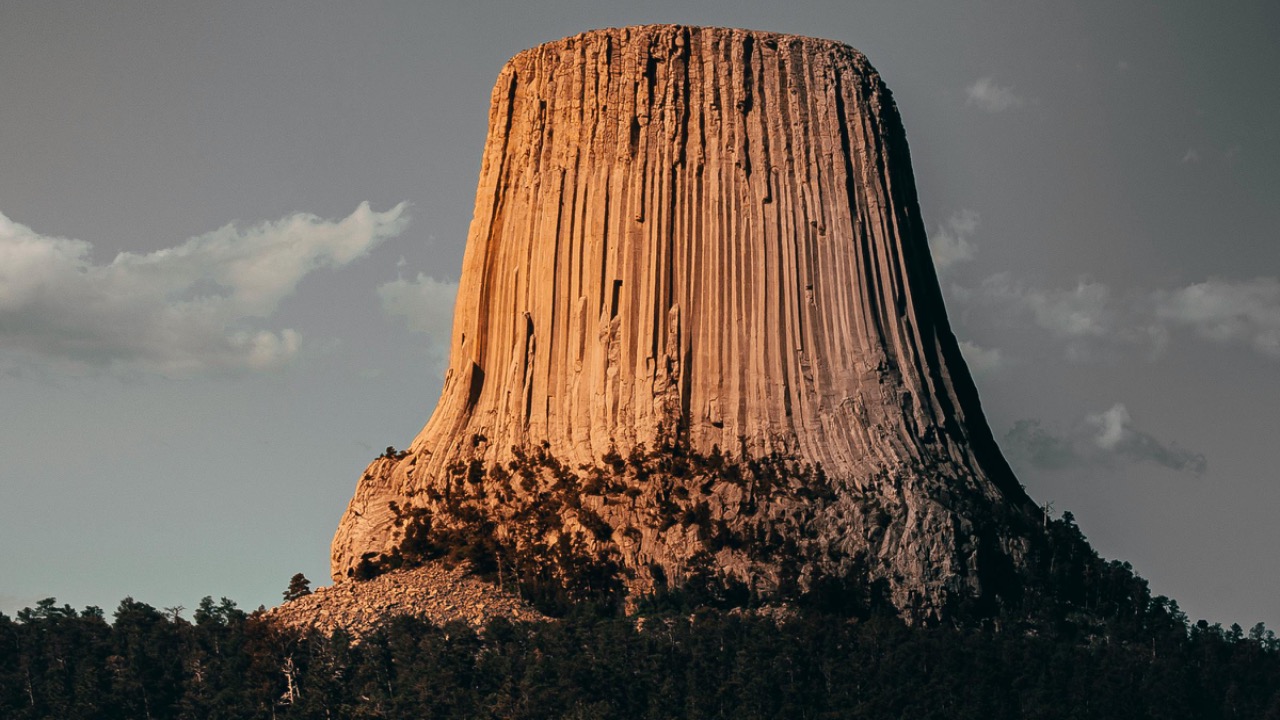
National monuments were sold to the public as a way to protect irreplaceable landscapes and the stories that live on them, but Native leaders have long argued that the system was built around someone else’s idea of history. Many of the most famous sites were designated without tribal consent, then managed in ways that treated Native presence as a footnote instead of the main storyline. Recent debates over new designations and rollbacks have forced a blunt question into the open: are these places going to keep centering frontier myths, or will they finally reflect the nations that were here first.
Writers who have spent time in places like Bears Ears and the newer Chuckwalla monument describe how these landscapes hold rock art, dwellings, and ceremonial sites that carry thousands of years of stories, yet the official narratives often skip straight to miners, ranchers, and explorers. One analysis of national monuments argues that when designations are done right they can honor Indigenous leadership and living cultures, not just scenery. That is the standard many Native communities are now demanding, and it is the gap that fuels so much of the anger when protections are weakened or the story on the signs gets rewritten from Washington.
Bears Ears, Grand Staircase, and the Utah flashpoint
The modern wave of Native‑led monument fights really broke into national view in SALT LAKE CITY, when tribes watched President Donald Trump move to shrink two large national monuments in Utah. Tribal coalitions that had spent years pushing for Bears Ears and defending Grand Staircase‑Escalante saw the cuts as a direct attack on sacred ground and on their role in managing it. Leaders from several nations said the order disrespected Native people and ignored their efforts to preserve protections for land they consider sacred, turning what had been a hard‑won recognition into a new round of litigation and protest.
Those Utah monuments are not abstract lines on a map. Bears Ears in particular is a living cultural landscape where cliff dwellings, kivas, and burial sites sit inside canyons that many families still visit for ceremony and gathering. When the Trump administration’s rollback was announced, legal experts warned that the move would ignite a court fight with implications for at least twenty five other protected areas still under review, because it tested how far a president can go in reversing a predecessor’s monument decisions. According to one account that cited the New York Times, tribes and conservation groups saw that legal line as critical for the future of every monument that protects Native heritage.
Organ Pipe, the border wall, and sacred desert ground
Farther south, the clash between federal priorities and Native sacred sites has been playing out along the US‑México border. At Organ Pipe Cactus National Monument in Arizona, construction of President Trump’s Wall cut through desert washes and cactus stands that the Tohono O’odham Nation and other Native people regard as part of a broader cultural landscape. Photographs of cacti amidst a desert landscape, with the border barrier slicing across Organ Pipe Cactus National Monument in Arizona, captured how a security project can transform a place that was supposed to be managed for quiet backcountry and cross‑border cultural ties.
Tribal citizens and local advocates have described work crews bulldozing protected saguaro cacti and disturbing burial grounds as they rushed to finish segments of the Wall near Organ Pipe Cactus Nat, raising alarms about violations of cultural resource laws and basic respect. One letter from the region accused the federal government of ignoring obligations under the Native American Graves Protection and Repatriation Act while pushing ahead with the barrier in Arizona. Those concerns echo broader critiques of how border infrastructure has been handled inside national monuments, where the same agency that is supposed to protect resources is often sidelined once security projects are green‑lit along the line between the United States and Mexico, as seen in reporting on Organ Pipe and in criticism of Trump’s Wall.
National groups line up behind tribal nations
As these fights have multiplied, national Native organizations have stepped in to back local nations that are on the front lines. The National Congress of American Indians has framed the issue in blunt terms, warning that threats to national monuments and sacred tribal lands are really threats to living cultures and treaty rights. In a statement titled NCAI Stands with Tribal Nations on Threats to National Monuments and Sacred Tribal Lands, the group argued that rolling back protections or sidelining tribal voices risks permanent damage to sacred sites that cannot be replaced once they are looted, mined, or paved over.
NCAI has also stressed that these places are not only about ceremony, they are tied to clean water, wildlife, and traditional uses that support Native economies. The organization has urged federal agencies and Congress to treat tribal nations as full partners in managing national monuments, not as afterthoughts to be consulted at the end of the process. That stance is reflected in its broader work on sacred sites and in its detailed statement on monument threats, which calls for stronger legal protections and long term commitments to keep these lands intact for future generations. A related NCAI message, labeled Apr, NCAI, Stands, Tribal Nations, Threats, National Monuments and Sacred Tribal Lands, reinforces that same demand for durable safeguards and respect for tribal sovereignty, as seen in the group’s follow‑up.
Local backlash to shrinking monuments and new rollbacks
On the ground, the loudest voices are often tribal citizens and rural neighbors who live closest to the contested monuments. When federal officials floated plans to shrink or weaken protections for several sites, locals across the United States gathered over a weekend to rally in defense of places they see as central to their identity. Those events brought together tribal members, hunters, anglers, and small business owners who argued that cutting monument boundaries would damage both cultural resources and the outdoor economies that depend on intact landscapes.
Reporting on that wave of protests described how the Move to shrink national monuments face growing backlash from local communities, with Native leaders standing alongside non‑Native residents to call the monuments a source of pride and a hedge against boom‑and‑bust extraction. One environmental health outlet noted that these lands carry deep importance to the region’s identity, and that many tribal citizens view them as some of the last refuges where they can practice traditional lifeways without constant industrial pressure. That sentiment has been echoed in coverage of local backlash and in broader analyses of how monument cuts can fracture communities that have built their lives around protected public land.
Arizona monuments and the fight over abolition bills
Arizona has become another flashpoint, not only because of Organ Pipe but also because of efforts in Congress to wipe certain monuments off the map. Conservation advocates have condemned legislation that would abolish Arizona’s national monuments, warning that such bills would strip away protections for sacred sites, wildlife corridors, and traditional gathering areas. One group that works closely with tribes in the region said a key Arizona monument honors Indigenous leadership and preserves the region’s clean air, water, and sacred sites while allowing for traditional uses that sustain Native communities.
That same group, the Conservation Lands Foundation, represents a network of local organizations that steward public lands in the Western Arctic and across the interior West. Its leaders argue that abolishing monuments would open the door to new mining and drilling that could damage cultural resources beyond repair, and they have urged lawmakers to instead strengthen co‑management with tribes. Their statement on Arizona’s monuments, which highlights how the designation honors Indigenous leadership and protects these lands for future generations, has been widely circulated among tribal governments and outdoor groups that see the bills as a direct threat to their way of life.
Interpretive signs, censorship fears, and contested history
Beyond boundaries and drilling leases, a quieter but equally fierce fight is unfolding over the words on park signs and museum panels. Native historians and advocates have warned that efforts to purge what some politicians call improper ideology from federal sites could end up erasing hard truths about Native dispossession, boarding schools, and broken treaties. A program on Friday that focused on The Native American history censorship threat at National Parks and other federal institutions described how informational signs about forced assimilation and treaty violations were flagged for review, raising alarms about whether Native historians have any input when those decisions are made.
Those concerns have been echoed in coverage of specific review efforts, including reports that interpretive signs at places like Sitka National Historic Park in Alaska were among the materials scrutinized under a broader ideological purge. Advocates say that when you strip out references to Native suffering and survival, you are telling future generations that Native pain does not matter and that Native survival is an inconvenient footnote. One Native writer framed it bluntly, arguing that erasing Native stories from parks and public lands hurts all Americans because it breaks the teaching that nwéndëmen, We are all related. That argument runs through commentary in Native media and in discussions hosted by The Native American history program.
Trump, burial sites, and the politics of “restoring” history
President Trump has put himself at the center of many of these controversies by tying public lands policy to a broader push he calls Restoring truth and sanity to American history. According to one report, that agenda has included targeting Grand Canyon National Park and other flagship sites for changes in how they present topics like climate change and Indigenous history. The same push has drawn criticism from tribal leaders who say it prioritizes a narrow patriotic storyline over the lived experience of Native nations that endured removal, wage theft, and cultural suppression tied directly to federal land grabs.
Those tensions surfaced in a different way when Trump faced backlash for indigenous burial sites allegedly being damaged in the run up to the 2020 election. Critics pointed out that Yet, he touts his Trillion Trees Initiative while projects backed by his administration were accused of bulldozing sacred ground, a contradiction that one member of Congress called Unacceptable. Speaking to reporters, advocates like Kevin Dahl in Arizona linked those burial site concerns to a larger pattern of sidelining tribal consultation on public lands decisions. Coverage of those clashes, including detailed accounts on Nov backlash and in broader summaries of how Trump faces backlash over Indigenous sites, has only sharpened Native skepticism toward new monument reviews and interpretive changes launched under his watch.
Backlash inside the parks: signs, visitors, and federal orders
Even as some federal directives have raised censorship fears, other recent moves have tried to push in the opposite direction by restoring stories that were previously downplayed. Earlier this year, federal officials ordered interpretive signs in Glacier National Park and at Little Bighorn Battlefield to be changed or removed, prompting a fresh round of debate over how Native history is told. One Montana lawmaker warned that censoring signs, stories or people is against the very ideals our parks represent and a disservice to the American people, while tribal representatives argued that any revisions must not repeat the old pattern of omitting Native perspectives that were left out under the last administration.

Asher was raised in the woods and on the water, and it shows. He’s logged more hours behind a rifle and under a heavy pack than most men twice his age.