The hidden jungle threats U.S. troops faced in Vietnam
The Vietnam War placed U.S. troops in a landscape that could kill even when no shots were fired. The dense jungle, swamps and rivers hid predators, parasites and explosives that turned every step, sip of water and rustle in the brush into a potential threat. The hidden dangers of that environment shaped how Americans fought, how they suffered and, for many veterans, how they still live with the war decades later.
From venomous snakes and disease-carrying insects to underground tunnel networks and booby-trapped trails, the battlefield extended far beyond visible enemy forces. I want to trace those less visible hazards, the ones that rarely appear in combat footage but defined daily survival for the Soldiers who pushed through Vietnam’s interior.
The jungle as an enemy of its own
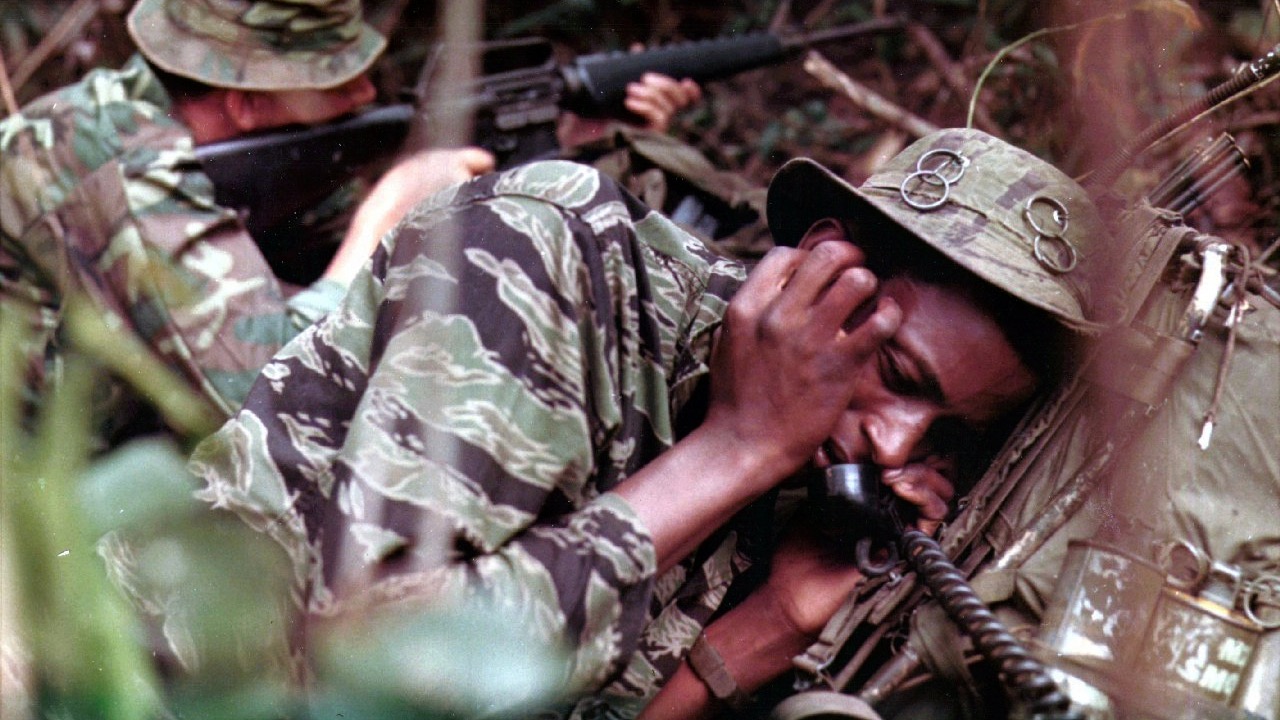
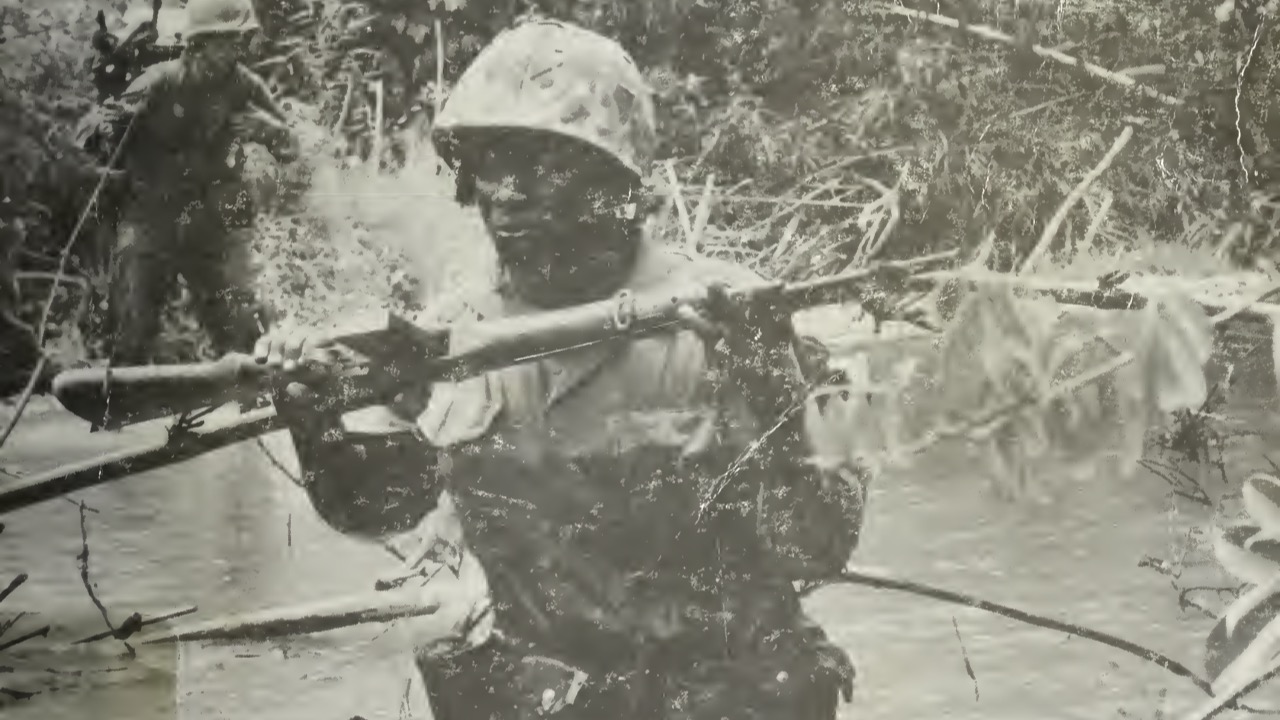
For U.S. units, the Vietnamese rainforest was not just a backdrop, it was an active opponent that dictated tactics and morale. Thick vegetation limited visibility to a few feet, muffled sound and made it almost impossible to distinguish a harmless shadow from a concealed ambush. Accounts of Brutal Realities Soldiers describe patrols inching forward in single file, every sense strained, knowing that the jungle itself seemed to favor the defender who knew its paths and hiding places.
That environment also punished the body. Heat and humidity soaked uniforms and gear, turning even short movements into exhausting slogs. Reports on Soldiers in Vietnam describe men carrying loads exceeding 70 pounds through some of the world’s most difficult terrain, often while trying to stay alert for sudden contact. The jungle’s oppressive climate, more than any single firefight, wore down strength and judgment day after day.
Snakes, insects and lethal wildlife
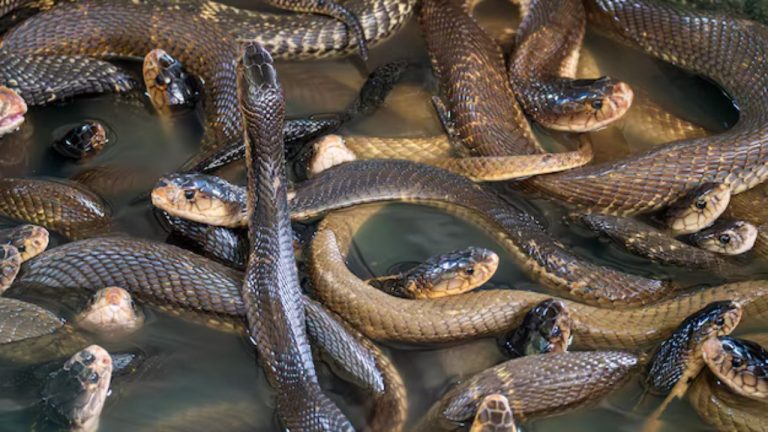
Predators and venomous creatures turned the undergrowth into a constant biological minefield. Analyses of the Vietnam Jungle note that dangerous snakes, including pit vipers and cobras, could strike from trees, burrows or flooded paddies, often invisible until it was too late. Even when bites were not immediately fatal, evacuation through dense terrain and delays in antivenom meant that a single misstep could cost a limb or a life.
Smaller creatures were just as relentless. Mosquitoes, leeches and other insects swarmed exposed skin, spreading disease and infection that sometimes sidelined entire units. One account of Brutal Realities Soldiers in the Jungles of Vietnam describes how, beyond mosquitoes, Vietnam’s jungles teemed with other biting insects that weakened troops during critical operations. Larger wildlife also posed risks, from aggressive wild boar to crocodiles in rivers and canals, each encounter magnified by the isolation of jungle patrols.
Invisible parasites and long-tail disease
Some of the most insidious threats were microscopic, entering the body through food and water and only revealing themselves decades later. Medical correspondence on Clonorchiasis details how liver flukes such as Clonorchis sinensis and Opisthorchis viverrini infected troops who ate or drank in contaminated environments, sometimes contributing to cholangiocarcinoma long after they returned home. The paper lists the address for Correspondence to George Psevdos, MD, Chief of Infectious Diseases, Veterans Affairs Medical Center, 79 M iddleville Rd, Northport, underscoring how clinicians are still tracking these wartime exposures.
Contaminated rivers and streams were a particular danger. Legal and medical reviews of Dangerous Waters in Vietnam describe how Veterans Exposed to a Cancer Inducing Parasite often encountered it while bathing or drinking from local waterways, with Exposure occurring through the initial ingestion of the parasite. These infections rarely made headlines during the war, but they turned the basic act of staying hydrated or clean into a gamble whose consequences might not surface until middle age.
Malaria and the war on fever
Alongside parasites, tropical disease stalked every patrol. Military medical research on Malaria during the Vietnam War notes that this single illness caused mass casualties among U.S. personnel, resulting in as many hospitalizations as some conventional combat wounds. The Abstract emphasizes that the scale of infection rivaled what forces later saw in regions such as Papua New Guinea or sub-Saharan Africa, a reminder that the jungle’s microbes were as formidable as any enemy unit.
Preventive drugs and insect control measures helped but came with their own burdens. Troops were ordered to take chemoprophylaxis on strict schedules, even when side effects like nausea or vivid dreams made the pills deeply unpopular. In the field, Soldiers weighed the immediate misery of medication against the risk of high fever, organ damage and evacuation from the line. For commanders, the fight against mosquito-borne disease became a parallel campaign that shaped patrol timing, base locations and even how long units could remain in particularly infested areas.
Booby traps, mines and weaponized terrain
The jungle’s natural hazards were compounded by deliberate human ingenuity. Vietcong and North Vietnamese forces turned trails, fields and even seemingly safe clearings into lethal puzzles. Historical accounts of Little used trails and tracks, open fields, jungles and even avenues that were difficult for vehicles to use describe how they were mined, with anti-personnel devices placed in unusual locations to trap the individual soldier. The result was a battlefield where a single careless step could trigger an explosion even miles from any visible enemy.
Cheap, improvised devices were especially effective in this environment. One analysis notes that They also deployed Booby traps within the jungles and villages alike, with the Viet forces using simple materials to create devices that maimed or killed and sometimes targeted rescuers while the injured were being evacuated or treated. Broader surveys of Jungles of Vietnam emphasize that the jungle was littered with hidden traps designed to maim or kill unsuspecting troops, from punji stake pits to tripwired grenades, each one amplified by the limited visibility and constant fatigue.
Underground worlds and the tunnel rats
Below the jungle floor, another war unfolded in darkness. As U.S. units pushed into contested regions, they discovered extensive underground complexes that allowed enemy fighters to move, hide and strike with little warning. Reports on The Army note that search and destroy missions near Saigon uncovered a large network of tunnels, with III Corps estimating that one such system could be only the tip of the iceberg for tunnel rats tasked with exploring it. These tunnels often contained living quarters, supply caches and firing positions that turned the underground into a full-fledged combat zone.
To counter this, small volunteers known as tunnel rats crawled into cramped, booby-trapped passages armed with little more than a pistol and a flashlight. Analyses of why But Vietcong fighters were so hard to defeat explain that Their response to bombing and defoliation was to dig deeper, creating underground dormitories, hospitals and arms dumps that made air power less decisive. For the Americans sent inside, every turn of a tunnel could reveal a concealed fighter, a sudden drop or a hidden explosive, all in airless darkness where a single misjudgment was fatal.
Psychological strain in a 360-degree threat zone
Living with danger that came from every direction, including the ground beneath their boots and the water in their canteens, took a profound mental toll. Accounts of Psychological Strain in Vietnam describe how the constant possibility of ambush, disease or sudden injury eroded sleep, concentration and trust. Image Source references to The New York Times highlight how the psychological toll on soldiers in the jungles of Vietnam was immense, with many describing a sense that the environment itself was hunting them.
That strain was not limited to combat patrols. A video segment introduced with the line Anyone who’s ever deployed can tell you there is more to worry about in the field than just the enemy notes that While the North Vietnamese were a constant threat, the jungle itself added layers of fear. Soldiers learned to fear not only gunfire but also the quiet moments, when a sudden insect bite, a rustle in the brush or a misstep on a trail could trigger a chain of events as deadly as any firefight.
Ambushes, air support and the illusion of control
Even with helicopters, artillery and advanced aircraft, U.S. forces often found that technology could not fully tame the jungle. Historical analysis of lethal wildlife in The Vietnam War notes that a “Spooky” gunship could wipe out enemy troops in wreaths of fire, yet the same conflict saw troops felled by snakes, insects and other creatures that made the Vietnam War even tougher. Firepower could clear a landing zone or break up an ambush, but it could not remove the daily, low-level threats that stalked every movement through the bush.
On the ground, ambushes were often shaped by the terrain in ways that left U.S. units feeling perpetually exposed. A combat narrative of a Jungle Ambush describes how the helicopter force would block an enemy from escaping toward the west while the beach assault group offloads swiftly then moves Inland, yet even such carefully coordinated operations could be disrupted by hidden obstacles, sudden weather shifts or unseen enemy positions. The jungle’s density meant that control was always partial, and that even well-planned maneuvers could dissolve into chaos once the first shots were fired.
Weight, exhaustion and the body’s breaking point
Physical overload magnified every other danger. Reports on Vietnam emphasize that Soldiers carried loads exceeding 70 pounds while navigating steep slopes, mud and tangled vegetation, all under oppressive heat. That weight included weapons, ammunition, water, rations, radios and medical supplies, leaving little margin for agility when ambushes or booby traps forced sudden movement.
Fatigue from this constant exertion made troops more vulnerable to every other threat. Slower reactions increased the risk of stepping on a mine or missing the subtle signs of a tripwire. Dehydration and heat exhaustion weakened immune systems, making infections from insect bites or minor cuts more likely to spiral into serious illness. In that sense, the jungle’s hidden threats were cumulative, with each day’s strain compounding the next until even experienced units found their resilience fraying.
Why the hidden threats still matter
Looking back, I see the Vietnam jungle as a kind of total environment of risk, where natural and man-made dangers fused into a single, relentless pressure on U.S. troops. Analyses of Harsh Climate Conditions and the litter of traps, combined with medical research on long-term infections, show that the war’s most enduring wounds often came from threats that never appeared in after-action reports. The jungle turned every routine task, from walking a trail to filling a canteen, into a test of luck and endurance.
Those experiences continue to shape how militaries think about future conflicts in dense, complex terrain. Studies of how War Articles on the Vietnam Jungle highlight dangerous snakes, animals and traps, and how later analyses of Vietcong tactics show that Vietcong fighters used Their underground networks, remind planners that technology alone cannot erase environmental and biological threats. For the veterans who lived through it, the hidden jungle dangers of Vietnam are not just historical footnotes but daily realities, written into their bodies and memories long after the shooting stopped.

Leo’s been tracking game and tuning gear since he could stand upright. He’s sharp, driven, and knows how to keep things running when conditions turn.