Russia appears to increase troop presence along Finnish border
Russian forces are quietly thickening along the forests and bogs that separate them from Finland, turning a once sleepy frontier into one of Europe’s most closely watched fault lines. Fresh satellite imagery, revived Soviet-era garrisons, and new infrastructure all point in the same direction: Moscow is rebuilding a serious military footprint on NATO’s newest land border.
The moves are still short of a full-scale deployment, but they are deliberate and systematic enough that Nordic militaries are treating them as a long-term shift, not a passing exercise. For anyone who spends time in the North, from reindeer herders to weekend hunters, the sense is growing that the quiet edge of Europe is becoming a front-row seat in a much larger confrontation.
From frozen frontier to front line
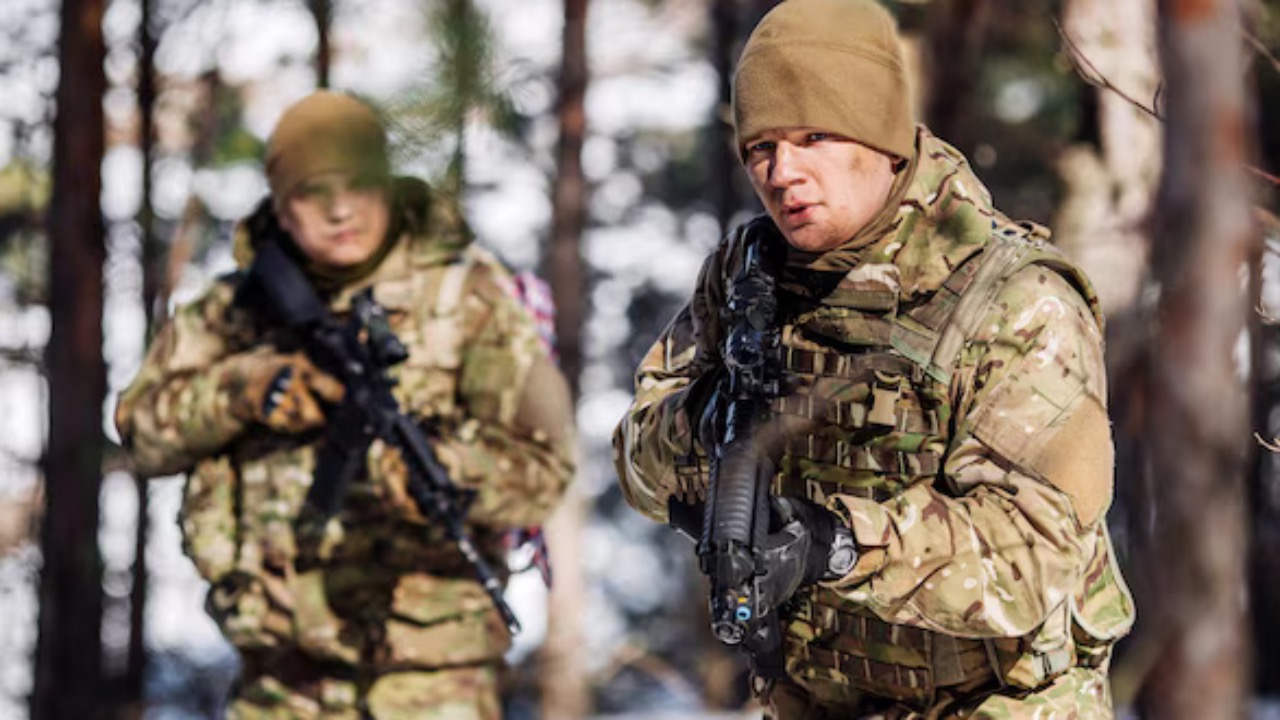
For decades, the long stretch of forest and marsh between Finland and Russia was one of Europe’s quieter borders, patrolled but not bristling. That changed when Finland joined NATO and the alliance’s land boundary with Russia almost doubled to 2,600 km, running from the Arctic down toward Barus. What used to be a remote corner of the map suddenly became a central piece of the strategic puzzle, and Moscow has been adjusting its posture accordingly.
On the Russian side, planners are working to create what analysts describe as a more defensible buffer, even as their forces remain heavily committed in Ukraine. A detailed campaign assessment of the wider war notes that the Kremlin is trying to balance offensive operations with the need to shore up its own periphery. That balancing act is now visible in the north, where new construction, cleared training grounds, and reactivated depots are slowly turning the Finnish frontier into a more heavily militarized zone.
Satellite imagery shows a slow but steady build-up
The clearest window into what is changing along the border comes from above. Commercial satellite images, some of them highlighted by the New York Times, show new Russian military infrastructure taking shape near Finnish territory, including expanded storage areas and fresh vehicle tracks. Other imagery-based investigations describe how Sky-high evidence of new fortifications and cleared pads confirms that Russia has the capacity to host more troops and equipment along this stretch of frontier.
One set of pictures, widely discussed in Nordic defense circles, shows how Satellite Images Show by documenting new hangars, hardened shelters, and dispersal areas that could support long-range Tu-22 bombers and other aircraft. Another analysis of satellite data notes that as the number of troops grows, the capacity for expanded fortifications closer to the Finnish border grows with it. Put together, the imagery suggests a methodical effort to build the skeleton of a much larger force, even if the flesh is not yet fully in place.
Reviving Soviet-era garrisons in the north
On the ground, one of the most telling signs of intent is the way Moscow is breathing life back into old Soviet facilities. In the city of Petrozavodsk, regional reports describe how Russia has begun, with plans to build new barracks and move equipment from a nearby depot. Local observers say the area had been largely dormant since the early 2000s, which makes the sudden activity stand out all the more.
Farther north, another Soviet-era garrison roughly 160 km from the Finnish border is being renovated, with fresh roofing, cleared yards, and refurbished rail spurs visible in new imagery. A separate analysis notes that Russia begins renovating with the clear potential to host a brigade-sized force, turning what had been a decaying relic into a modern outpost on the NATO border. As Yle notes in another report, As Yle explains, the area had been largely abandoned, however it is now being prepared for use by active units, a shift that signals long-term planning rather than a temporary surge.
New infrastructure along the 830-mile frontier
Beyond individual bases, the pattern that jumps out is how much of the 830-mile border region is being prepared to host more troops and heavier gear. Analysts who track Arctic security say that while current troop levels remain low, experts and defense officials anticipate a significant Russian redeployment to this stretch of frontier, something Nordic militaries will have to be prepared for. That expectation is based on visible work on roads, railheads, and storage sites that would make it easier to surge forces north in a crisis.
One social media thread that has circulated widely among security watchers notes that Russia is building infrastructure along the border with Finland, including new vehicle parks and hardened shelters. Another detailed look at the region’s defenses points out that Russian objective: Create zones is shaping how and where these facilities are built, with an emphasis on depth and redundancy. For people who know these woods well, the new gravel pads and fresh-cut tree lines are a visible reminder that the frontier is being reshaped for heavier traffic than logging trucks and snowmobiles.
Finland tightens its own border and posture
On the western side of the line, Helsinki has been busy too. After a surge of irregular crossings that Finnish officials linked to Russian pressure, Finland began gradually its checkpoints along the eastern border with Russia from October 2023, eventually shutting them fully later that year. Even with the closures, dozens of people still manage to cross, but the message from Helsinki is clear: the era of easy movement across this frontier is over for now.
Finnish leaders have also been blunt that they are watching the military build-up next door with a hunter’s eye for small changes in the treeline. Officials say they are closely monitoring the expansion of Russian military infrastructure near the border, using both national assets and shared NATO intelligence. At the same time, Finland has been fortifying its own side, adding new barriers, sensors, and training areas, and integrating its forces into alliance planning that now stretches from the Baltic Sea up into the Arctic.
Nordic neighbors read the same signs
Finland is not the only country paying attention. Across the Gulf of Bothnia, Sweden has been tracking the same imagery and drawing similar conclusions. The country’s top military officer, Sweden’s Chief of, has said the developments appear to confirm earlier Russian statements about “military-technical” responses to NATO enlargement. Swedish officials stress that they will continue to monitor developments closely, coordinating with Helsinki and other allies as they do.
In the broader Nordic region, the sense is that the security environment has shifted for the long haul. A widely shared video report on how NATO fortifies its new frontier with Russia highlights how the alliance’s border almost doubled to 2,600 km, stretching from the Arctic down to Barus, and how that change is driving new exercises and infrastructure on both sides. For hunters, anglers, and guides who work these northern latitudes, the uptick in low-flying jets and military convoys is becoming part of the background noise of daily life.
Local hubs: Petrozavodsk, Kandalaksha and the Arctic coast
Zooming in on the map, a few Russian towns stand out as key hubs in this emerging posture. In Petrozavodsk, the clearing of that Soviet-era garrison and the plan to move equipment from the depot in Petrozavodsk, as described in There, effectively turns the city into a logistics and staging point for units that could move toward the Finnish border. The location, with rail links and access to Lake Onega, makes it a natural node in any northern deployment.
Farther north along the White Sea, the port town of Kandalaksha is another piece of the puzzle, tying together rail lines, highways, and maritime routes that can support both ground and naval forces. Analysts who follow Arctic security note that as Russian presence grows along the 830-mile frontier, these hubs will matter more, giving Moscow options to move units quickly between the Kola Peninsula, Karelia, and the central Arctic coast. For anyone who has driven those long northern roads, the idea of more heavy traffic on them is easy to picture.
Information war and public warnings
Alongside the physical build-up, there is a steady drumbeat of messaging and counter-messaging about what it all means. One widely shared post framed as Russia stirs near points to Moscow clearly reinforcing its presence and even references how Germany, on a Saturday in Aug, began warning its citizens about potential instability. While social media posts like this can mix alarm with analysis, they also reflect a broader public awareness that the northern borderlands are no longer a geopolitical backwater.
More formal assessments, like the detailed Toplines from recent campaign studies, stress that Russian drones have struck civilian targets such as a maternity hospital and a bus carrying miners, underscoring how Moscow is willing to use force to shape the broader strategic environment. Those same assessments tie the northern build-up into a larger pattern in which the Kremlin seeks leverage against NATO by creating pressure points along the alliance’s perimeter. For people living near the Finnish border, that means the information war and the physical one feel uncomfortably close together.
What it means for NATO, and for people on the ground
For NATO planners, the emerging picture is of a Russia that is stretched but still capable of opening new fronts of pressure. Analysts who track the war in Ukraine note that Russian forces did not make confirmed advances on some sectors even as they intensified strikes elsewhere, suggesting that Moscow is husbanding resources while it builds out infrastructure in places like Karelia and the Kola Peninsula. Another report on how Russia prepares for argues that the expansion of bases near Finland is part of a narrative the Kremlin uses to justify its invasion of Ukraine and its broader confrontation with the West.
On the ground, the implications are more immediate and personal. Reindeer herders, loggers, and backcountry guides who work near the line are seeing more patrols, more restricted areas, and more low-flying aircraft than they did a few years ago. A detailed look at how Russia strengthens military notes that a local equipment depot is being upgraded in ways that will improve the army’s ability to operate near the border, which in practice means more convoys and more training activity in areas that used to be quiet. For those of us who know these woods and waters, the change is impossible to miss: the Finnish frontier is no longer a remote edge of Europe, it is one of the main seams where great power competition now presses directly against the treeline.

Asher was raised in the woods and on the water, and it shows. He’s logged more hours behind a rifle and under a heavy pack than most men twice his age.