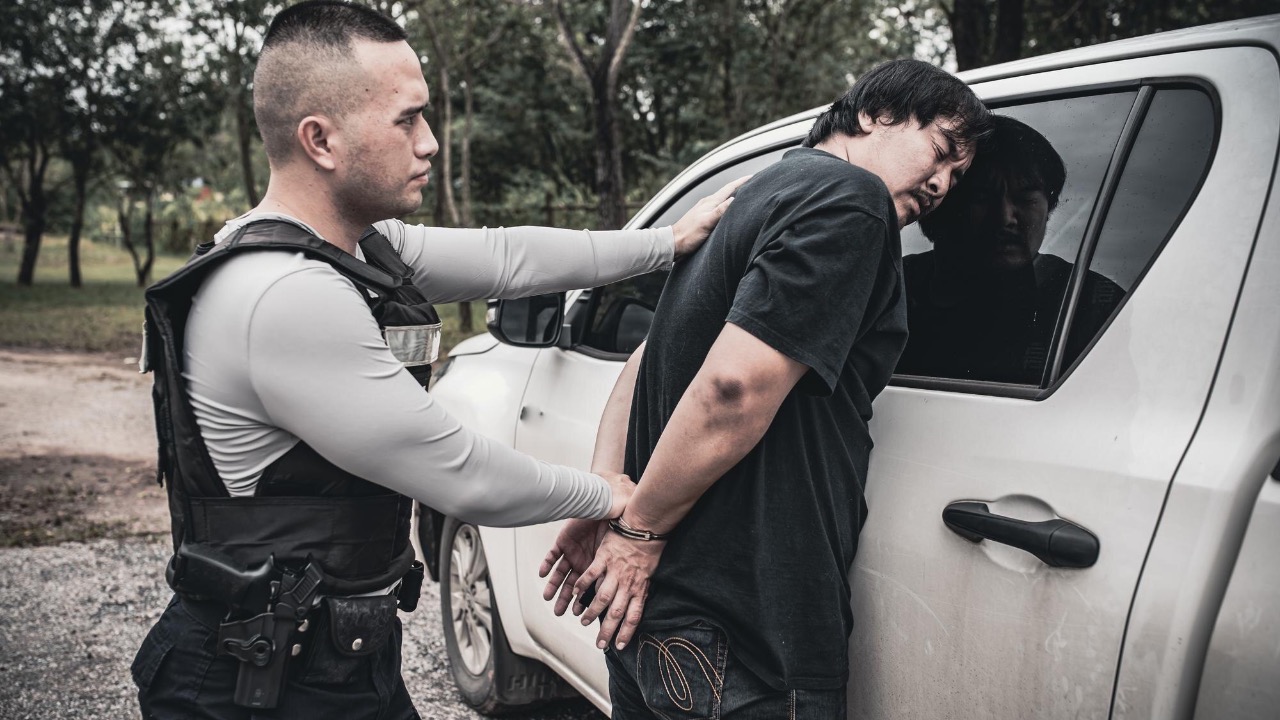
What to say — and avoid saying — when armed and speaking with police
When you are legally armed and a patrol car’s lights flare in your rearview mirror, what you say in the next few minutes can shape both your safety and your legal exposure. The law gives you rights, but it also imposes duties that change from one state line to the next, and officers are trained to treat every unknown weapon as a potential threat. Knowing which words calm a situation and which phrases spike an officer’s stress level is as critical as knowing how to run your firearm.
I focus here on the narrow but high‑stakes moment when you are carrying a gun and speaking with police, especially during traffic stops. The goal is simple: keep everyone safe, avoid unnecessary escalation, and protect your rights by choosing your words carefully and leaving some things unsaid.
Know your legal duty to inform before you say anything
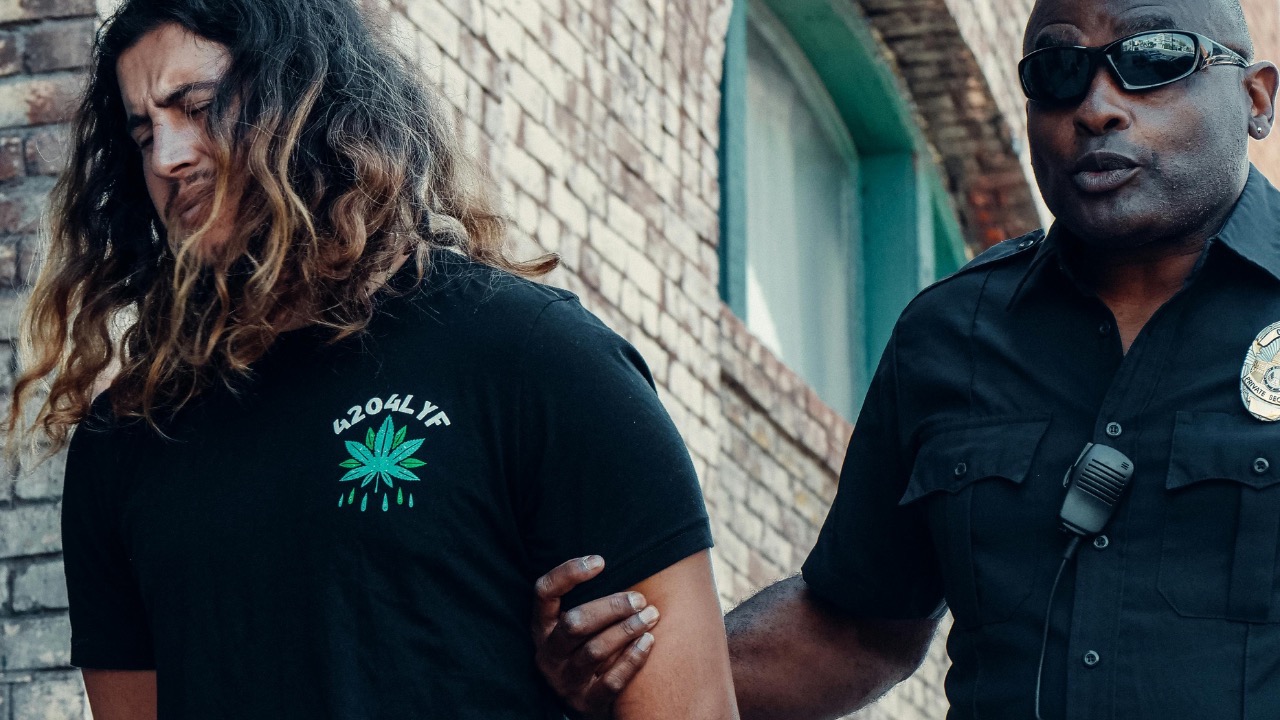
The first thing I tell armed drivers is that you cannot talk your way around a law you do not understand. Some states are often described as Duty or Inform States, where you must proactively tell an officer that you are armed during a stop. Others only require disclosure if the officer asks, and a third group imposes no specific notification rule at all. Those categories are not academic. Failing to speak up in a “must inform” jurisdiction can turn a routine stop into a criminal charge layered on top of whatever led to the encounter.
Because the map is fragmented, I treat “know your laws” as a standing order, not a slogan. Guides that break down where you Must Inform and where you fall into an on‑demand or no‑duty category are a starting point, but they do not replace reading your own state statutes and permit conditions. Legal trainers who focus on concealed carry stress that Know Your State is the first and most important step before you ever clip on a holster. If you cross state lines for work or travel, that homework has to extend to every jurisdiction you pass through, because what you are required to say to police in one state can be very different a few miles down the highway.
Set the stage with your body language before you speak
Long before you open your mouth, officers are reading your hands, your movements, and your car. Trainers who work with armed citizens often start with simple mechanics: pull over promptly, signal, and park in a safe, visible spot. One instructor describes a routine that begins with a deliberate Pull to the right, hazard lights on, windows down, and the engine off. Another armed driver explains that he places his keys on the dashboard, keeps both palms high on the steering wheel, and waits for the officer to see that he is not reaching for anything before he says a word, a sequence he lays out in detail when he writes “Here’s my procedure.”
Lawyers who analyze Guns and Traffic Stops point out that The Pennsylvania State Police even used a Facebook series called “Ask Trooper Brent” to emphasize slow, deliberate motions and visible hands when you are armed. Community advocates echo the same theme in plainer language, urging drivers to “KEEP YOUR HAND” visible and still, advice that appears in a social media list of tips that begins with “KEEP YOUR HAND” where the officer can see it. In practice, that means you should not rummage in the glove box, dig in a purse, or reach toward your waistband until the officer has given clear instructions and you have calmly told them what you are about to do.
How to disclose that you are armed without alarming the officer
Once the officer is at your window, the next decision is when and how to say that you are carrying. In a must‑inform jurisdiction, I recommend that you calmly state your status early, but only after you have greeted the officer and complied with any immediate commands. A simple script might be: “Officer, I want to let you know I have a concealed carry permit and I am currently armed. The firearm is on my right hip, and my hands will stay on the wheel.” Trainers who coach concealed carriers emphasize that Inform The Officer about your weapon, then stop talking and follow all instructions calmly.
Several legal guides warn against blurting out the word “gun” in isolation, because an officer who only hears that single word may react to the perceived threat before processing the rest of your sentence. One breakdown of traffic stop tactics for armed drivers advises you to Inform if necessary, but to frame it in terms of your permit and your intention to comply, not as a dramatic announcement. Another instructor who writes about how to handle a concealed firearm during a stop suggests that you avoid sudden phrases and instead use steady, descriptive language to ensure the situation. The common thread is that you should not shout, joke, or make your gun the emotional center of the conversation.
What to say when the officer asks for your license and permit
Most traffic stops follow a predictable script: the officer will ask for your driver’s license, registration, and proof of insurance. If you are armed, that is also the moment when your carry permit becomes part of the exchange. Experienced carriers often recommend handing over your permit along with your license in one smooth motion, a tactic summed up in a community discussion where one commenter advises, “Hand them your permit with your license.” That way, you are not hiding the fact that you are armed, and you are giving the officer a clear signal that you are trying to follow the rules.
Training materials on how to conduct yourself during a stop while carrying a concealed firearm advise that once you have stopped, you should be ready with your documents but avoid digging for them until the officer is at your window and you have explained what you are reaching for. One guide on How to interact during a traffic stop stresses that once you have stopped, you should be calm and courteous when you retrieve your license, registration, and proof of automobile insurance. Another instructor notes that the officer will inevitably ask for your documents and may ask whether you are armed, so it can be helpful to show him your upfront rather than waiting for a direct question. Throughout that exchange, your words should be limited to clear descriptions of what you are doing and where your hands are going.
What not to say: jokes, apologies, and volunteered stories
When people are nervous, they tend to talk too much. That instinct can be dangerous when you are armed and facing an officer who is trying to assess risk in seconds. Defense lawyers who offer Tips for talking to police warn that you should remain calm and polite but resist the urge to fill silence with explanations, apologies, or jokes. Telling an officer “I only had two beers” or “I am probably over the limit” may feel like honesty, but it is also an admission that can be used against you. Cracking a joke about your aim or your gun’s caliber might land in a firearms forum, but on the roadside it can sound like bravado.
Legal rights guides are blunt on this point. They explain that you have the right to remain silent and that you do not have to answer questions about where you are going, where you are coming from, or what you are doing, a principle laid out clearly in a resource that begins with “You have the right to remain silent.” Another pamphlet on what to do if you are arrested or taken to a station says you should tell police your name and basic identifying information, but “Butno more,” unless you have a lawyer present. In practice, that means you should not volunteer where your gun has been, how often you carry, or why you chose a particular model. Those details may feel harmless, but they can open doors to more probing questions that you are not required to answer.
Using your right to remain silent without escalating the stop
Exercising your rights while armed is not about being combative. It is about drawing a clear line between the information you must provide and the open‑ended questioning that can follow. Civil liberties advocates advise that if you want to invoke your rights, you should say “I want to remain silent” and “I want to speak with a lawyer,” then stop talking, guidance spelled out in a know‑your‑rights explainer on how to handle Jan encounters with law enforcement and military troops. The key is to say those words calmly, not as a shouted challenge.
Another rights guide on what happens when you are stopped by police reinforces that you can decline to answer questions beyond your identity and that you should not lie or provide false documents, a point repeated in the reminder that Stopped by PoliceRemain calm and polite.” When you are armed, that balance matters even more, because a verbal confrontation can quickly be interpreted as a physical threat.
De‑escalation is a two‑way street, but you control your side
Police training materials and civil society critiques both stress that officers should be skilled in de‑escalation, yet they also acknowledge that many encounters start as mundane, routine stops and only become dangerous when communication breaks down. One legal analysis of In the wake of coverage of deadly encounters notes that police‑citizen interactions are often mundane, routine stops that spiral when either side misreads the other. Commentators who argue that “Our police need to be trained in the art of conflict resolution” say departments should prioritize voluntary compliance through communication rather than force, a view laid out in a piece that begins, “Ourpolice need to be trained in the art of conflict resolution.”
As an armed citizen, you cannot control how thoroughly any given officer has absorbed that training, but you can control your own tone and choices. A former NYPD officer who now teaches security tactics tells trainees, “You are there to deescalate the situation” and to use clear verbal commands before any physical contact, advice captured in a short clip that repeats “You are there to deescalate the situation.” Legal educators who offer Communicating tips for smooth encounters echo that by urging clear, concise language that cannot easily be misinterpreted. In practice, that means speaking slowly, avoiding sarcasm, and answering direct questions with direct, minimal responses.
Traffic‑stop scripts that keep you safe and within the law
Because traffic stops are the most common point of contact between armed citizens and police, many instructors now teach specific scripts. One breakdown of how to respond during a traffic stop while concealed carrying advises drivers to “Know Your State’s Laws,” then to “Disclose Your Firearm Appropriately” if required, and finally to avoid sudden movements that could be seen as threatening, a sequence laid out in a guide on How to respond during a traffic stop while concealed carrying. Another training article aimed at concealed carriers reinforces that you should check whether the jurisdiction allows ccw, make sure your permit is valid, and then, once stopped, be courteous and ready with your documents, advice that appears in a piece that opens with “Concealed Carry And.”

Leo’s been tracking game and tuning gear since he could stand upright. He’s sharp, driven, and knows how to keep things running when conditions turn.