Farmers report major gains by combining solar panels with crop production
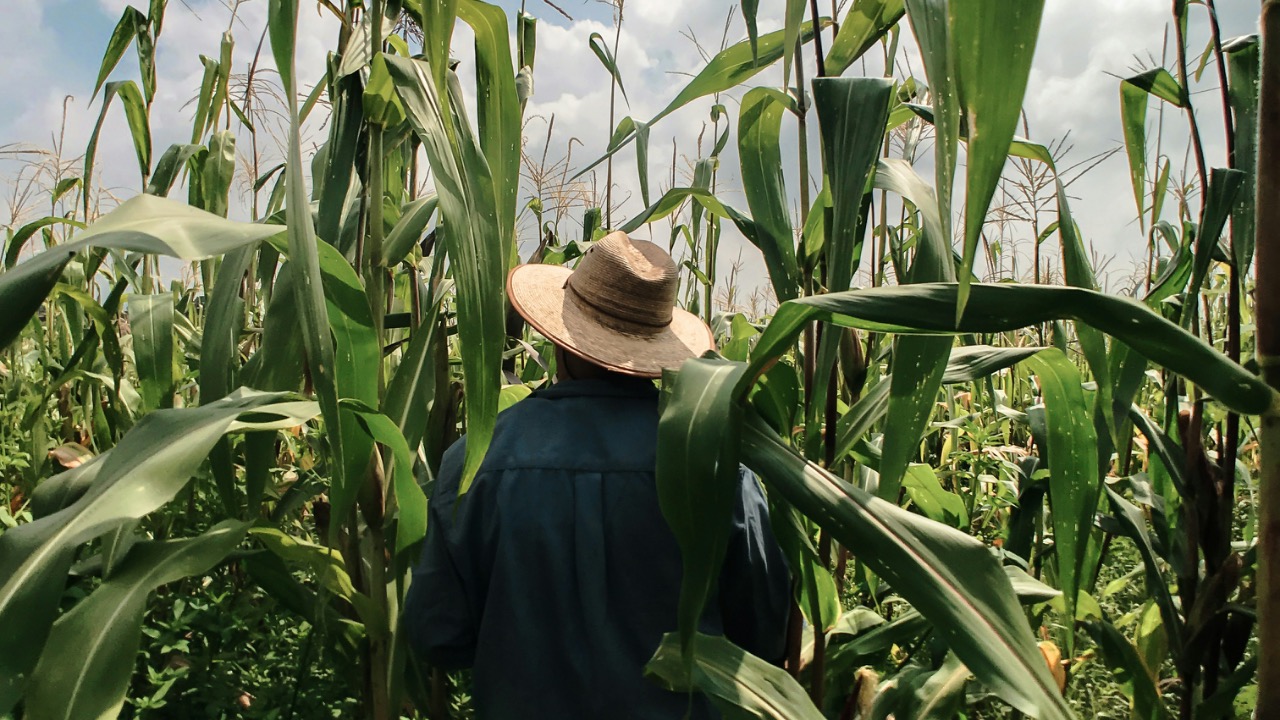
Across the farm belt and far beyond it, growers are discovering that solar panels do not have to compete with crops for space. By elevating photovoltaic arrays and threading them through working fields, they are turning the same acres into engines for both food and power. The result is a new generation of farm businesses reporting higher resilience, steadier income, and in many cases healthier plants.
The approach, widely known as agrivoltaics, is moving from experimental plots into commercial practice as farmers look for ways to survive volatile markets and harsher weather. Early adopters say the combination of crops and solar is not a niche experiment but a practical way to double up on land use while keeping agriculture at the center of rural economies.
What agrivoltaics actually looks like on the ground
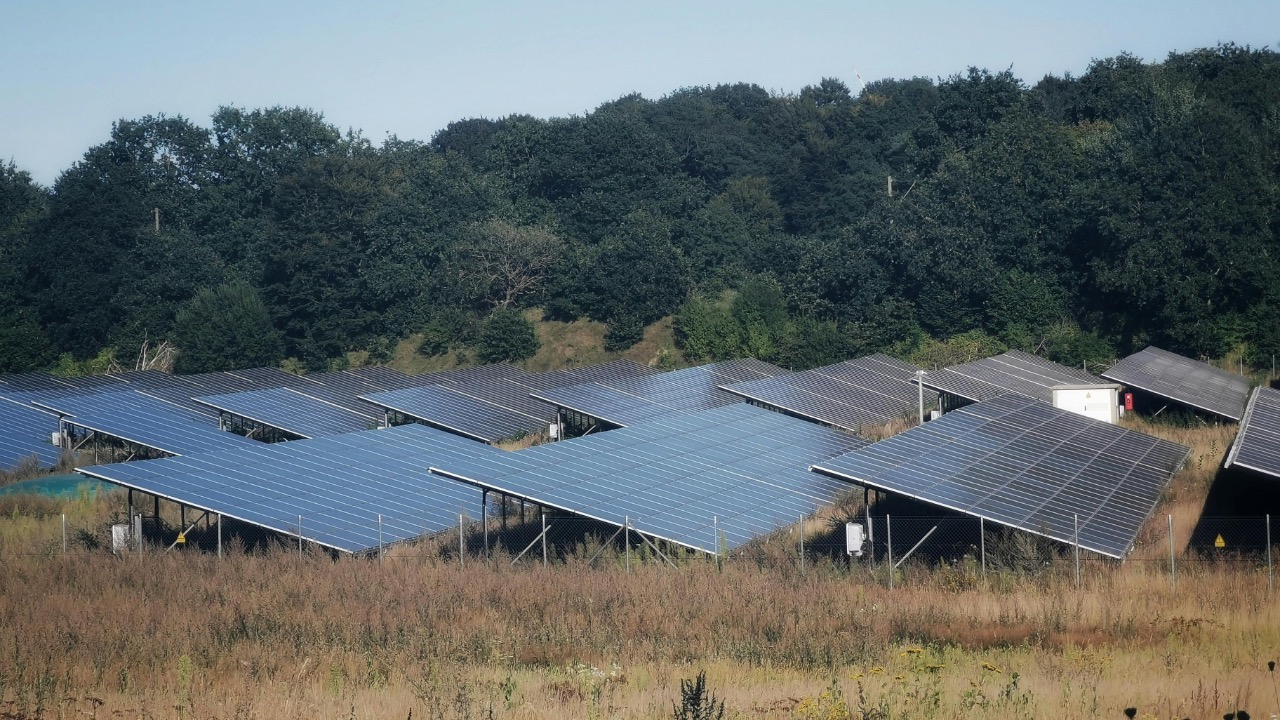
At its core, agrivoltaics is a land use strategy that treats fields as places to harvest sunlight twice, once through photosynthesis and again through photovoltaic cells. Panels are raised or spaced so that tractors, livestock, and workers can move underneath, and rows of vegetables, grains, or forage grow in the dappled light. The United States Department of Agriculture describes Agrivoltaics as the use of land for both agriculture and solar photovoltaic energy generation, with the shade from panels sometimes increasing panel efficiency while still supporting crops.
Advocates argue that this dual use can effectively double the productivity of a single parcel, since the same acre produces both food and electricity instead of forcing a choice between them. One analysis notes that incorporating solar energy with farmland can reduce water usage, increase yields for certain crops, and generate energy without pushing farmers off the land they depend on, a point that Jan underscores in work on agrivoltaic potential in the Southeast.
Farmers’ early results: more crops, less stress
On working farms, the most compelling evidence comes from harvest logs rather than theory. Growers who have installed elevated arrays report that the partial shade can protect tender plants from scorching heat, reduce evaporation from the soil, and keep workers safer during long days in the field. In Colorado, for example, growers have produced thousands of pounds of vegetables in agrivoltaic systems despite shorter growing seasons, with In Colorado and Massa cited as proof that yields can hold steady or even improve when panels are integrated thoughtfully.
Researchers are documenting similar synergies in other regions. At Oregon State University, biological and environmental engineering experts like Higgins describe agrivoltaic plots as a “true synergy,” pointing to a path where society is not under “exigent threat of self-destruction” because food and energy systems work together instead of at odds, a view captured in an OSU research presentation. Those findings echo field reports that crops such as leafy greens, berries, and some forage species can thrive under panels, especially as heat waves and droughts become more common.
Water savings and crop resilience in a hotter climate
Climate stress is one of the main reasons farmers are experimenting with solar in their fields. Panels act as a kind of artificial canopy, cutting direct sun during the hottest hours and slowing the rate at which soil moisture disappears. Analyses of agrivoltaic systems highlight Protection against heat and water loss, with evidence that yields can increase in places where access to water is already limited because plants experience less stress and transpire more efficiently.
Public agencies are reaching similar conclusions as they evaluate pilot projects. In the Northwest, federal climate hubs note that agrivoltaic systems can Reduc crop damage from extreme heat by shading sensitive plants and maintaining cooler microclimates under the arrays. That same shade can support vegetation that would otherwise struggle in full sun, which in turn stabilizes soils and reduces erosion, a benefit that matters as storms grow more intense and rainfall patterns shift.
Doubling land productivity from the Southeast to Central Europe
Beyond individual farms, agrivoltaics is reshaping how planners think about land efficiency. In the Southeast, analysts working with Incorporating solar into farmland argue that the approach can effectively double land use by stacking energy production on top of existing agricultural activity. They point out that this is especially valuable in regions where arable land is scarce or politically sensitive, since it reduces pressure to convert forests or grasslands into new solar fields.
Across the Atlantic, the scale of the opportunity looks even larger. A study focused on Combining solar panels with crops concludes that Central Europe could nearly triple its renewable electricity production by adding solar to farms while still maintaining agricultural output. The same analysis notes that adding solar to farms boosts land productivity and opens additional income streams for farmers, suggesting that agrivoltaics is not just a marginal practice but a potential cornerstone of regional energy strategies.
New revenue streams and steadier farm finances
For many growers, the most immediate gain from agrivoltaics is financial stability. Instead of relying solely on commodity prices that swing from year to year, they can lock in long term power purchase agreements or lease payments tied to the solar arrays. Advocates describe agrivoltaics as a way to introduce a steady, predictable revenue stream that lets farmers focus on what they already do well, a point that How Agrivoltaics Can emphasizes in its discussion of maximizing land value and minimizing risk.
Developers and analysts are also documenting how these projects change the economics of rural land ownership. A recent report on agrivoltaic business models notes that Landowners gain a new, steady revenue stream in a volatile industry while maintaining their land’s agricultural productivity, and that solar developers benefit from reduced siting conflicts when projects are clearly designed to keep farming in place. Those dual benefits are drawing in banks and investors who see agrivoltaics as a lower risk way to finance clean energy in farm country.
Policy experiments: New Jersey’s dual use pilot and beyond
Public policy is starting to catch up with what farmers are doing in their fields. In TRENTON, regulators at New Jersey Board have opened the Dual, Use Solar Energy Pilo program, a statewide effort to test how solar arrays can share space with active agriculture without undermining crop production. The NJBPU describes the initiative as a way to expand clean energy in the Garden State while keeping farmers on the land, signaling that dual use is becoming a formal category in energy regulation.
Program details show how seriously officials are treating the research side of this transition. Guidance for the pilot clarifies that, in general, research costs are permitted to be included in the adder if a project contracts with a State Institution of, effectively encouraging partnerships between universities and farm based solar developers. That structure could generate a steady stream of data on yields, soil health, and farm income, giving other states a template as they consider their own dual use policies.
Industry groups and EPC firms pivot to farmer centered design
The private sector is also reorganizing around agrivoltaics, with new alliances focused on making solar work for working farms rather than displacing them. One sign of that shift is the decision by Distributed Energy Infrastructure to join the Solar and Farming Association as a founding board member, bringing its experience as an EPC firm to support farmer centered dual use solar. In a statement released through PR Newswire at 5:47 AM, the company framed agrivoltaics as a way to stabilize farm operations during volatile commodity markets, a message that resonates with producers facing unpredictable input costs.
These industry groups are pushing for design standards that keep rows wide enough for modern machinery, maintain soil quality, and allow for livestock grazing or specialty crops under the panels. Their pitch to farmers is straightforward: agrivoltaic projects should be built around the needs of the farm first, with energy production layered on top. By aligning engineering practices with agronomic realities, they aim to avoid the backlash that has met some large scale solar farms that took cropland entirely out of production.
On farm energy independence and lower operating costs
Beyond lease payments, many agrivoltaic systems are wired to serve the farm itself, cutting electricity and fuel bills that have climbed in recent years. Analysts point out that Energy cost reduction is one of the clearest benefits, since solar panels can power irrigation pumps, cold storage, and processing equipment, reducing the need for grid electricity or diesel generators. In some cases, surplus power can be sold back to the grid, turning the farm into a small energy exporter during peak sun hours.
Advocates also stress the operational advantages of having reliable on site power. With agrivoltaic layouts, farmers can keep critical systems running during outages, maintain ventilation in livestock barns, and provide shaded, cooler working conditions for Agrivoltaics field crews. Earth focused organizations describe agrivoltaics as the practice of using land for both solar power and agriculture to maximize the efficiency of farms, and that efficiency shows up not only in yields but in day to day energy use.
Why farmers say the model is built for uncertainty
When I talk to growers who are considering agrivoltaics, they rarely start with climate or energy policy. Instead, they describe a business environment where weather, markets, and input costs all feel less predictable than they did a decade ago. Commentators writing under headings like Powering Farms and and Understanding Agrivoltaics frame dual use solar as a hedge against that uncertainty, since it diversifies income and makes farms less vulnerable to single year shocks.
International analyses reinforce that message. Studies of agrivoltaic deployment in regions like Central Europe and case studies compiled by groups such as Here show that adding solar to farms boosts resilience by creating additional income streams for farmers. As more producers report major gains in yields, water savings, and financial stability, agrivoltaics is starting to look less like an experiment and more like a blueprint for how agriculture can adapt to a more volatile world.

Leo’s been tracking game and tuning gear since he could stand upright. He’s sharp, driven, and knows how to keep things running when conditions turn.