Gun shows still confuse first-time buyers — here’s why
Gun shows promise everything at once: rows of gleaming rifles, tables stacked with handguns, and vendors eager to talk ballistics. For a first-time buyer, that mix can feel less like a marketplace and more like a maze, where the rules are unwritten and the stakes are high. The result is a setting where newcomers routinely walk in confident and walk out confused, or worse, committed to a purchase they barely understand.
That confusion is not an accident. It grows out of a culture built on insider knowledge, a patchwork of state and federal rules, and a social code that regulars absorb over years. When I look at how new buyers actually move through a show, the pattern is clear: the people who struggle most are not reckless, they are simply unprepared for how different this world is from a typical retail counter.
Why gun shows feel like a different universe from the gun store
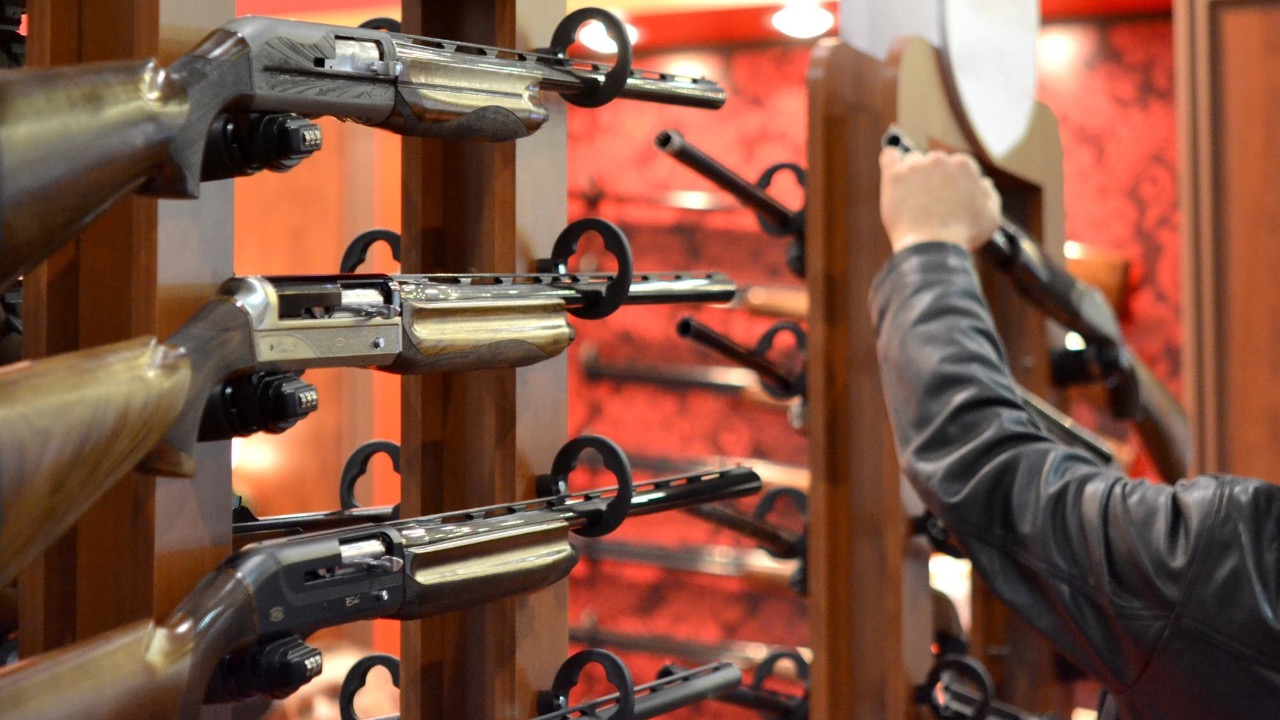
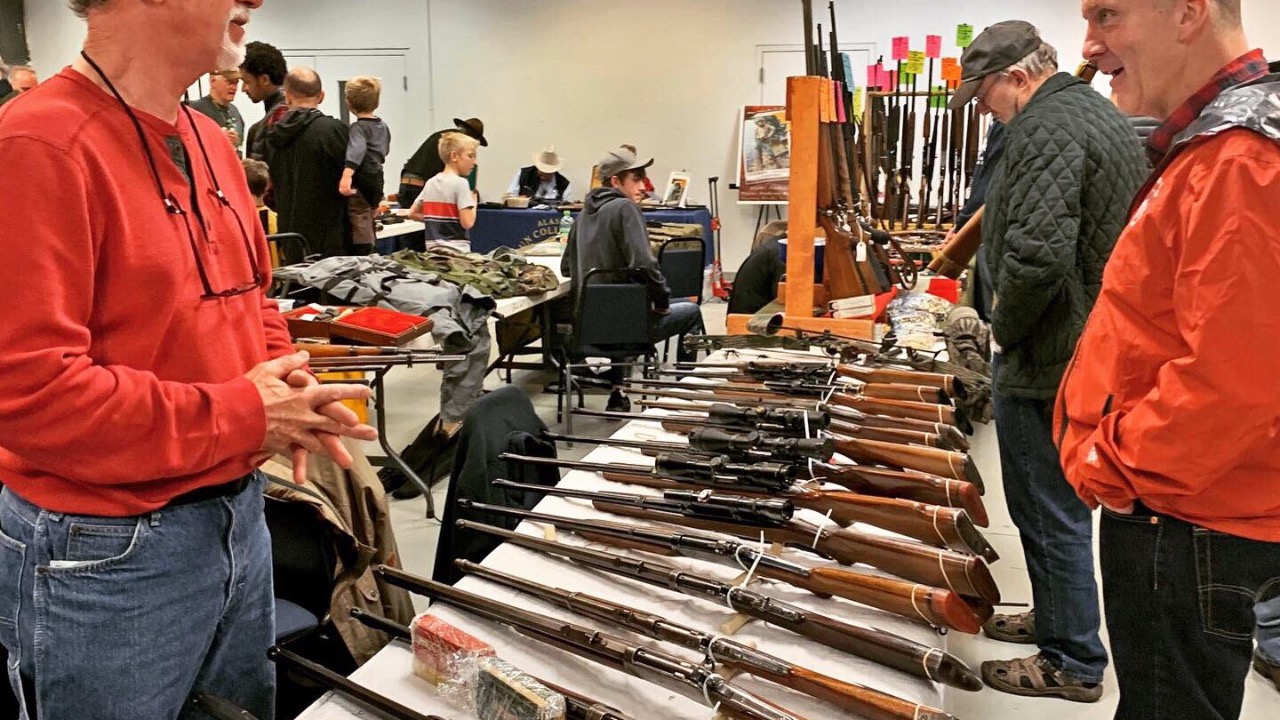
To a newcomer, the first shock is scale. A local gun shop might have a few dozen firearms in glass cases, but a regional show can pack hundreds of tables into a fairground hall, each with its own pricing logic, inventory quirks, and personality. Instead of a single clerk guiding the process, buyers are left to navigate a patchwork of private sellers, small manufacturers, and larger dealers, all operating side by side. That fragmentation alone makes it harder to compare options, understand what a fair price looks like, or even figure out who is allowed to sell what to whom.
Layered on top of that is a social environment that rewards people who already speak the language. Regulars swap stories about specific models, calibers, and carry methods in shorthand, while first-timers struggle to decode basic terms like “single-stack” or “striker-fired.” Guides aimed at new attendees warn that walking in without any prior research is the first and most common mistake, because it leaves buyers dependent on whoever happens to be behind the table they approach first. One detailed checklist flags “Mistake #1: Not Doing Research” as the starting point for a cascade of bad decisions, from misunderstanding local laws to failing to properly inspect a firearm before money changes hands.
The research gap that trips up first-time buyers
Most people would not buy a used car without checking model-year reliability, typical price ranges, and basic maintenance history. Yet many first-time gun show visitors arrive with only a vague sense that they want “a handgun for protection” or “a rifle for the range,” and little else. That lack of specificity makes it almost impossible to evaluate whether a particular pistol’s ergonomics, capacity, or sighting system actually fits their needs. It also leaves them vulnerable to upselling, where a more expensive or more complex firearm is framed as the “better” choice without context about recoil, training demands, or ammunition cost.
Experienced organizers urge buyers to answer a few core questions before they ever pay for parking. One widely shared guide tells people to start “Before the Show” by asking why they are buying the gun at all, then narrowing down what features matter for that purpose. It walks through how someone focused on concealed carry might prioritize compact size and find “single-stack pistols more comfortable,” while a home-defense buyer might accept a larger frame for better control. That kind of structured pre-planning, laid out in a step-by-step gun buying guide, is the difference between wandering the aisles aimlessly and approaching each table with a clear checklist.
Social missteps that instantly mark you as a rookie
Confusion at gun shows is not just about hardware and law, it is also about etiquette. The culture inside those halls is built on a shared expectation of safety and respect, and regulars can spot someone who does not know the code almost immediately. New buyers who pick up a firearm without asking, sweep the muzzle across other attendees, or fumble with actions and magazines send a clear signal that they are out of their depth. That, in turn, can make some vendors less willing to engage seriously or offer their best deals.
Commentary aimed at demystifying this environment lists specific behaviors that “instantly” identify a newcomer. One breakdown by Story author Daniel Whitaker describes how failing to clear a chamber, pointing a barrel in the wrong direction, or loudly haggling without any sense of typical pricing all fall into that category of “Behaviors That Instantly” give someone away. The advice is not about shaming newcomers, it is about helping them avoid social missteps that can shut down useful conversations. When I talk to regular attendees, they consistently say that a buyer who asks polite, specific questions and handles firearms safely will get more patient explanations and more honest feedback than someone who treats the show like a flea market.
Information overload at the tables
Even when a first-time buyer does some homework, the sheer volume of information at a show can overwhelm them. Each table might feature handwritten tags with model numbers, calibers, and prices, plus verbal pitches about reliability, accuracy, and “feel.” Multiply that by dozens of vendors and the result is a blur of competing claims that are hard to verify on the spot. Without a clear framework for comparison, it is easy to latch onto superficial details like finish color or brand reputation instead of more important factors such as trigger quality, sight picture, or how the grip fits the buyer’s hand.
Seasoned guides try to cut through that noise by teaching buyers how to structure their questions. They recommend focusing on a few consistent points at every table: how many rounds the gun has fired, whether any parts have been modified, and what kind of warranty or support is available. They also stress the importance of physically handling the firearm, within the bounds of safe etiquette, to check controls and ergonomics. That is why checklists that remind buyers to thoroughly inspect a firearm before purchase are so prominent in resources for new attendees. When I watch people who follow that advice, they move more slowly but leave with a clearer sense of why they chose one option over another, instead of just remembering which vendor had the most persuasive sales pitch.
The legal maze behind the “gun show” mystique
Part of what confuses first-time buyers is the persistent myth that gun shows operate in a legal gray zone, separate from the rules that govern brick-and-mortar stores. In reality, licensed dealers at shows must still run background checks and follow the same federal and state regulations they would in their own shops. The complication is that shows often host a mix of licensed and unlicensed sellers, and the boundaries of what each can do vary by jurisdiction. For someone walking the aisles for the first time, it is not always obvious who is which, or what that means for the paperwork they will be asked to complete.
Pre-show guides try to address this by urging buyers to research their state’s specific requirements, including whether private sales are allowed and under what conditions. They frame this as part of the same preparation that includes understanding basic safety rules and learning how to inspect a firearm. When I talk to new buyers who felt blindsided, they often say they assumed the process would be as simple as buying camping gear at a big-box store. Those who took the time to read through legal basics beforehand, often prompted by checklists that highlight “Not Doing Research” as a critical mistake, tend to report fewer surprises and a smoother experience at the point of sale.
Why “decide why you’re buying” is harder than it sounds
On paper, the advice to “Decide Why You” want a gun before you shop sounds obvious. In practice, many first-time buyers arrive with overlapping or poorly defined goals. Someone might say they want a pistol that works for both concealed carry and home defense, plus occasional range use, and they want it to be small, soft-recoiling, and inexpensive. Those criteria can conflict, and without a clear hierarchy of priorities, the buyer is left trying to find a single firearm that excels at everything, which rarely exists.
Structured guides try to break that tangle into manageable decisions. They ask buyers to choose a primary use case first, then walk through trade-offs in size, capacity, and shootability. For example, they explain that a compact, single-stack handgun may be easier to conceal and more comfortable to carry, but it will typically hold fewer rounds and may be harder to shoot accurately at longer distances. By spelling out those compromises, resources that focus on how to buy at a gun show help buyers align their expectations with reality. When I see someone who has done that work, they tend to ignore flashy but irrelevant features and instead zero in on models that genuinely fit their main purpose.
The subtle pressure to perform like an expert
Another reason gun shows can be confusing is the unspoken pressure on newcomers to act as if they already know what they are doing. The environment is full of people who speak confidently about ballistics, holster options, and defensive scenarios, and it can be intimidating to admit ignorance in that setting. Some first-time buyers respond by nodding along, pretending to understand jargon, and avoiding basic questions that might reveal their inexperience. That performance may protect their pride in the moment, but it also deprives them of the information they need to make a sound decision.
Commentary on common rookie behaviors notes that this dynamic shows up in small ways, like buyers who refuse to ask how to safely lock a slide open or how to check a chamber, even when they clearly do not know. Authors who catalog those “Behaviors That Instantly” mark someone as new are not just poking fun, they are highlighting how much smoother the process becomes when buyers drop the act and ask for help. In my own conversations with vendors, they consistently say they would rather spend extra time walking a novice through the basics than risk a sale to someone who is too embarrassed to admit they are lost.
How seasoned attendees quietly work the room
If confusion is the default state for first-time buyers, seasoned attendees offer a blueprint for how to cut through it. They rarely rush to buy at the first table they see. Instead, they make a quick lap to get a sense of overall inventory and pricing, then circle back to specific vendors once they have a mental map of the room. They carry notes on models and prices, sometimes on paper and sometimes in a phone app, and they are not shy about walking away from a deal that does not meet their pre-set criteria.
These regulars also tend to follow a consistent inspection routine. They ask permission before handling a firearm, verify that it is unloaded, and then check the action, trigger, and sights in a methodical way. Many of the same steps appear in checklists that warn new buyers to inspect a firearm thoroughly before purchase, including looking for excessive wear, mismatched parts, or signs of poor maintenance. When I watch experienced buyers work, what stands out is not secret knowledge but disciplined habits. They treat each interaction as one more data point in a larger comparison, rather than a one-off opportunity they must seize immediately.
Turning confusion into a plan for the next show
For all the ways gun shows can bewilder first-time buyers, they also offer real advantages once someone learns how to navigate them. The density of vendors makes it possible to handle a wide range of models in a single day, compare prices in real time, and hear different perspectives on the same firearm. The key is to approach that environment with a plan instead of improvising under pressure. That means doing homework on laws and models, deciding on a primary purpose for the gun, and learning the basic etiquette that keeps everyone safe and comfortable.

Leo’s been tracking game and tuning gear since he could stand upright. He’s sharp, driven, and knows how to keep things running when conditions turn.