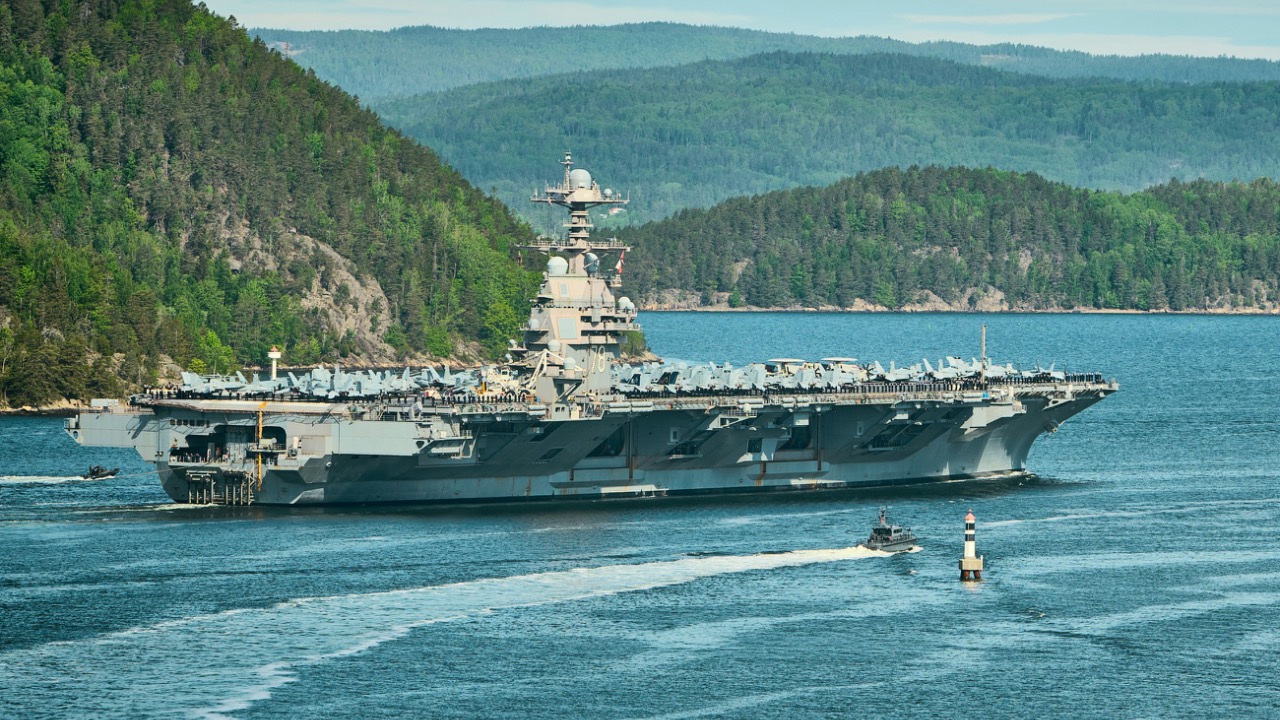
U.S. warships positioned near Iran could be pulled into conflict regardless of political intent
U.S. warships massed near Iran now sit in a narrow space between deterrence and disaster. Their mission is to signal strength and support diplomacy, yet their proximity to Iranian forces and busy shipping lanes means a single drone, misread radar track, or boarding attempt could ignite a wider fight. The risk is that these ships could be drawn into combat regardless of what political leaders in Washington or Tehran say they want.
The current buildup reflects a pattern that has played out in the Persian Gulf for decades, but the mix of swarming drones, tense nuclear talks, and heavy commercial traffic raises the stakes. It is a situation where tactical choices by ship captains, drone operators, or Revolutionary Guard commanders may matter more in the moment than any carefully worded statement from capitals.
The new U.S. buildup near Iran
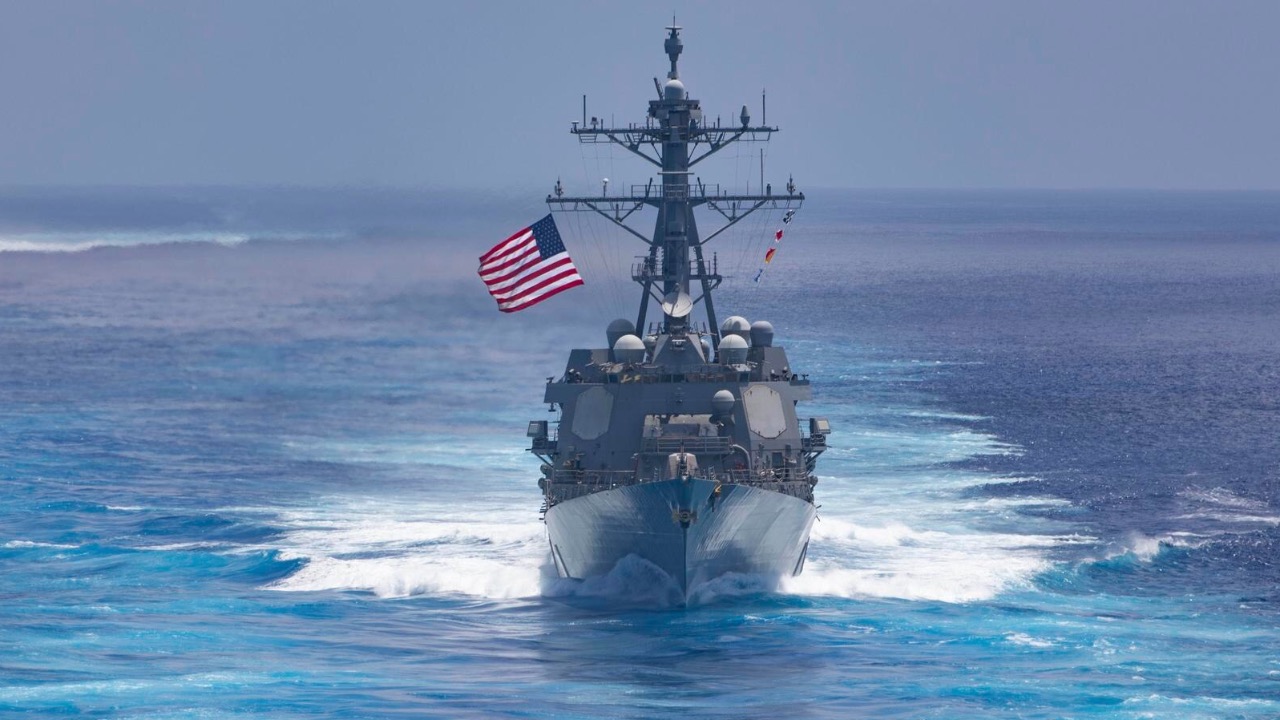
The United States has been increasing its naval and air presence around Iran as part of a broader 2026 military buildup in the Middle East. According to open reporting on the United States deployments, this surge involves carrier strike groups, support ships, and aircraft positioned across the Persian Gulf and nearby waters. The goal is to pressure Iran during tense talks while reassuring partners who fear both Iranian attacks and a sudden U.S. pullback.
The buildup has not been limited to ships alone. Reporting from Miami Gardens describes how the United States has also moved surveillance assets and air power into the region, with increased patrols meant to track Iranian activity and protect sea lanes. That is a clear signal of resolve, but it also means more aircraft, more sensors, and more human beings operating in tight quarters, any of whom could misjudge a threat in real time.
Carrier groups as both deterrent and target
At the heart of this posture are U.S. carrier strike groups, which project power but also draw attention. One report describes how at least 10 naval ships are now in position near Iran, including a carrier and its escorts, with the Trump administration using this presence to send a message. In that same account, Mahdi Al-Mashat told Saba that “Any hostile act targeting any Islamic country will be opposed and confronted by us,” a warning that shows how regional actors read these ships as potential attackers, not just guardians, and that quote is captured in a Mahdi Al statement.
Washington is now preparing even more firepower. A detailed account of Pentagon planning explains that a second carrier group has been ordered to prepare for deployment to the Middle East, with analysts noting that such a move would provide extra tactical airpower for a sustained operation against Iran. The paradox is clear: the more carriers the United States sends to deter Iran, the more high-value targets it places within range of Iranian missiles and drones, and the more pressure U.S. commanders feel to react quickly to any perceived threat.
Drone swarms and the saturation threat
The most immediate danger to these warships may not come from large missiles but from cheap, numerous drones. Defense expert Jan Chell has warned that Iran can launch large numbers of relatively unsophisticated drones directly at naval vessels, creating saturation attacks that overwhelm defenses and force split-second decisions by crews. In her analysis of Iranian capabilities, Jan Chell describes how Chell said Iran could send swarms against a carrier group like the USS Abraham Lincoln, which changes the risk calculus for every radar contact near the fleet.
This is not a theoretical concern. A U.S. official has already described how American forces shot down an Iranian drone that approached a U.S. aircraft carrier, an incident that shows how close unmanned systems are flying to these ships. In that case, the crew treated the drone as a threat and destroyed it as it neared the carrier, according to a report that details how the United States reacted. That episode is a textbook example of how drone encounters, even without casualties, can bring both sides closer to open conflict.
Strait of Hormuz: chokepoint and tripwire
The narrow Strait of Hormuz is where all these risks converge. U.S. officials have urged commercial and U.S.-flagged ships to stay as far as possible from Iranian waters in the strait after a series of boarding attempts by forces linked to Tehran. Guidance to merchant crews warns that ships transiting eastbound should keep maximum distance from the Iranian coast and avoid any boarding unless there is a clear legal basis or agreement, advice captured in a notice that stresses how U.S.-flagged vessels should behave.
That warning sits alongside a broader alert to international traffic. Another account notes that the United States has told ships transiting the Strait of Hormuz to avoid Iranian waters after reports that the Islamic Revolutionary Guard Corps tried to board vessels. That guidance underscores how easily a boarding attempt, a warning shot, or a misread maneuver in this chokepoint could force nearby U.S. warships to respond, pulling them into a confrontation they were meant to prevent.
Warnings to commercial vessels and creeping escalation
Washington has been here before. During a previous flare-up with Tehran, the Trump administration issued explicit warnings to commercial ships about sailing near Iranian waters, telling captains to avoid certain areas and to be ready for harassment or boarding. A detailed policy report explains how that earlier warning to commercial vessels framed Iranian waters as a high-risk zone, and there are strong echoes of that language in the current advisories.
Those warnings are meant to keep civilians safe, but they also change the environment for U.S. warships. If merchant captains are told to call for help at the first sign of trouble, nearby destroyers and patrol ships will feel pressure to intervene. That is especially true in the Strait of Hormuz, where any distress call can reach naval radios within minutes. Each of those calls could pull a U.S. ship into a tense, close-range encounter with Iranian forces that neither side planned for.
Political messaging from Washington and Tehran
While sailors and drone operators manage the daily risks at sea, political leaders are sending their own signals. Former President Trump has publicly warned that more U.S. warships “might be going” toward Iran if nuclear or regional talks stall, a threat that frames the deployment of vessels like the USS Abraham Lincoln and its strike group as leverage. In that account, Trump is quoted by Caitlin Doornbos as saying more ships might move if talks falter, underscoring how the fleet itself has become a bargaining chip.
On the other side, Iranian and allied leaders frame the same ships as a direct threat. Mahdi Al-Mashat’s line to Saba that “Any hostile act targeting any Islamic country will be opposed and confronted by us” shows how Tehran’s partners cast U.S. deployments as part of a broader campaign against Islamic states, language that can lock both sides into hard positions. Set against that rhetoric is analysis that a diplomatic deal between the United States and could still avoid war, highlighting the gap between the cautious hopes of diplomats and the sharp words that play to domestic audiences.
How military planners view the risk
Inside the Pentagon and allied defense ministries, planners are trying to manage these overlapping dangers. Analysts tracking the 2026 buildup in the Middle East describe how the United States has shifted aircraft, surface ships, and support vessels into the Persian Gulf and nearby waters, with some assets operating from bases ashore and others at sea. A detailed review of the Persian Gulf posture notes that while most U.S. platforms are on the ground, open-source tracking has revealed a different pattern of movement over the water, including routes that suggest contingency planning for sudden crises.
Strategists also know that a large deployment can take on a life of its own. A detailed analysis of the current Gulf posture describes it as one of Washington’s largest efforts in years, with the author pointing out that a diplomatic deal could still avert a clash but that the presence of so many ships and aircraft raises the chance of miscalculation. That same report explains that Washington is trying to balance pressure on Tehran with concern about the Iranian currency and internal stability. From that perspective, the balancing act is exactly where unintended incidents at sea can upset the entire strategy.
Iran’s own preparations and quiet moves
Iran is not standing still in the face of this buildup. A widely shared video analysis argues that the United States appears to be pulling some forces back from Iran’s nearby waters even as Iran quietly prepares for something bigger, suggesting a more complex picture than a simple one-way surge. In that account, the narrator describes how the United States may be repositioning assets while Iran tests responses and readies new tools, a reminder that Tehran can choose the time and place of any escalation.
Other reporting on the 2026 buildup notes that Iranian forces have adapted to U.S. surveillance and patrol patterns, using drones, fast boats, and proxy groups to probe defenses without crossing clear red lines. A separate analysis of the military standoff describes how the United States and Iran are locked in a cycle where each new deployment prompts a counter-move, with both sides trying to avoid open war while also avoiding any sign of weakness. Taken together, those accounts suggest a pattern in which Iran is preparing for a longer contest, increasing the odds that a local clash involving U.S. ships could be folded into a wider campaign.
From deterrence to entanglement
All of this leaves U.S. warships in a position where they are meant to prevent conflict but could easily be the first units to fire or take fire. The 2026 military buildup in the Middle East shows how quickly a show of force can grow, from a single carrier group to layered air and sea assets, and now possibly to a second carrier strike group. Each additional ship brings more sensors, more weapons, and more human judgment calls into a crowded space where drones, fast boats, and merchant vessels all mingle.
Diplomats still talk about off-ramps, and some analysts argue that a negotiated deal between Washington and Tehran could stop the slide toward war. Yet the facts on the water point in a different direction. U.S. commanders are shooting down Iranian drones that approach carriers, telling commercial ships to avoid Iranian waters, and preparing extra carrier groups for deployment. Iranian leaders are warning that any hostile act against an Islamic country will be confronted. In that environment, U.S. warships function as tripwires as much as shields, exposed to events that could drag them into a conflict regardless of what political leaders intended when they first sent the fleet toward Iran.

Asher was raised in the woods and on the water, and it shows. He’s logged more hours behind a rifle and under a heavy pack than most men twice his age.