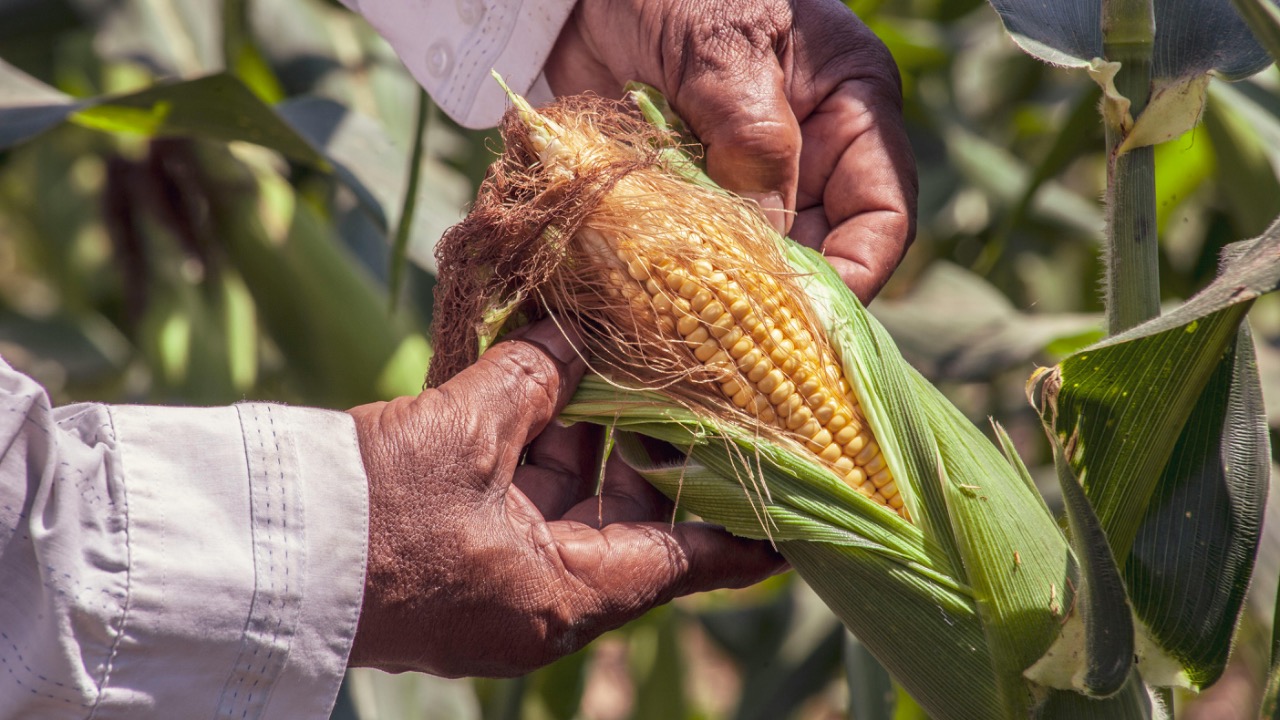
Farmers organize large protest over new U.S. trade deal they say hurts domestic producers
Farmers across India have mounted sweeping protests against a new interim trade agreement with the United States, arguing that the deal will tilt the market toward cheaper American imports and squeeze domestic producers. The demonstrations have grown into a nationwide test of strength between rural unions and Prime Minister Narendra Modi’s government, with organizers warning that the livelihoods of small growers are on the line.
At the heart of the anger is a package of tariff cuts and market-opening pledges that farmers say were negotiated without their consent and will expose them to a flood of foreign grain, dairy and other goods. They insist the government is gambling with food security and rural jobs to secure closer ties with Washington and with Donald Trump, and they are determined to keep up the pressure until the pact is rewritten or scrapped.
How the interim deal with Washington set off a rural backlash
The interim trade deal between India and the United States is framed by both governments as a quick way to boost commerce, but farm groups see it as a direct threat to their income. The agreement includes tariff cuts on a wide range of agricultural and related products that, in their view, will allow subsidized U.S. goods to undercut local harvests in everything from grains to processed foods. In a statement released earlier this month, the farmer network ASHA-Kisan Swaraj warned that the removal of tariffs on agricultural and artisanal products, along with certain machinery, would expose small producers to competition they cannot match, particularly in sectors where American agribusiness already enjoys large economies of scale, a concern laid out in detail by ASHA-Kisan Swaraj.
Indian officials have tried to calm the backlash by stressing that most farm goods remain shielded. The trade minister has said that around 90 to 95 Indian farm products were kept out of the interim deal, suggesting that sensitive staples and key cash crops will still be protected from tariff cuts, a line the government has promoted through trade ministry figures. Farmer leaders counter that the exclusions are too narrow and that even partial liberalization will shift price benchmarks across the board, particularly when combined with promises to ease rules on investment and imports in other sectors linked to the food chain.
A nationwide strike shows the depth of farmer anger
The protests have not been limited to symbolic marches in the capital. Unions and farm organizations called a nationwide strike that shut down transport links, markets and some government offices, signaling how deeply the trade deal has angered both rural and urban workers. A coalition of Indian unions and farmer groups organized the stoppage and brought people into the streets in cities and towns across the country, an effort described in reports on a coordinated nationwide strike.
In New Delhi, demonstrators converged near key government buildings, chanting slogans that accused Prime Minister Narendra Modi of surrendering the interests of Indian farmers to Washington. One protest banner captured by reporters carried the blunt message, “Narendra Modi, surrender Modi,” a phrase that surfaced in coverage of the strike slogans. The breadth of the shutdown, which included participation from industrial workers, transport staff and public-sector employees, suggested that the trade pact has become a rallying point for wider discontent about economic policy under Modi’s government.
From Punjab’s wheat belt to southern states, protests spread
The heart of the mobilization lies in the northern farm belt, where wheat and rice cultivation dominates and memories of earlier protests against farm laws remain fresh. Thousands of Indian farmers gathered across the country from the grain-rich state of Punjab, where many growers rely on government procurement and minimum support prices to stay afloat. Reports describe tractor convoys, road blockades and sit-ins at toll plazas, echoing tactics used during the mass agitation that forced the withdrawal of controversial agricultural reforms in 2021.
The unrest is not confined to the north. Farmer and union groups have also organized rallies and shutdowns in southern states such as Tamil Nadu and Kerala, where smallholders grow rice, spices, rubber and a mix of cash crops. In these regions, farmers worry that cheaper American products could eat into domestic demand for local varieties and specialty goods, especially if supermarket chains and food processors shift their sourcing to take advantage of lower import duties. The geographic spread of the protests, from Punjab’s plains to the coastal south, underlines how the trade deal has united diverse farming communities that often have different crop patterns and political loyalties.
Why farm unions say the pact is a “betrayal”
For many organizers, the dispute is about more than tariffs or specific product lines. It is also about trust in the government’s willingness to protect rural livelihoods in talks with powerful foreign partners. Raminder Singh, a member of the National Coordination Committee of Samyukt Kisan Morcha, has been quoted calling the interim trade agreement “a betrayal of the country,” arguing that it will make U.S. supplies more competitive and leave Indian producers exposed to price swings, a charge detailed in reporting on farmer anger. His comments capture a wider sentiment among union leaders who feel that the government has sidelined them in the rush to secure a headline-grabbing deal with Washington.
Groups such as ASHA-Kisan Swaraj argue that the pact risks undermining food sovereignty by tying domestic policy too closely to the preferences of foreign investors and trading partners. In their statement, they warned that tariff cuts on agricultural and artisanal products could erode the viability of small-scale farming and rural crafts, especially in sectors where local producers already operate on thin margins, a warning laid out in detail in the ASHA-Kisan Swaraj statement. For these unions, the trade deal looks like a continuation of policies they fought during the previous farm law protests, when they accused the government of prioritizing corporate interests over those of smallholders.
Modi’s government leans on export and jobs argument
Officials in New Delhi have mounted a full-throated defense of the interim pact, insisting that it will open doors for Indian exporters and help modernize the economy. The government has portrayed the agreement as a step toward expanding exports, attracting investments and strengthening the overall trade relationship with the United States, while also promising that it will create jobs in the long run, a case that has been made repeatedly in statements from New Delhi. By stressing potential gains in sectors such as technology, manufacturing and services, the administration is trying to frame the pact as a necessary step to keep India competitive in a global economy dominated by large trade blocs.
At the same time, the trade minister’s claim that 90 to 95 Indian farm products were excluded from the deal is central to the government’s message that it has safeguarded core agricultural interests. Officials argue that the exclusions cover staples that matter most to food security and rural incomes, while tariff cuts focus on areas where India hopes to gain from easier access to the U.S. market, a balancing act spelled out in the trade minister’s remarks. The gap between this narrative and the fears voiced by unions is at the core of the current standoff.
Trump’s role and the politics of a “surprise” announcement
The timing and style of the deal’s rollout have added to the controversy. Donald Trump announced a surprise agreement earlier this month after a call with Modi, saying he would slash tariffs in return for Indian concessions, a move that caught many observers off guard and was described in coverage of Trump’s surprise deal. For Indian farm leaders, the fact that such a significant pact emerged from a phone call between two leaders, rather than a transparent process with parliamentary debate and stakeholder consultation, has fueled suspicion that their concerns were never on the table.
Opponents also point to the broader geopolitical context. Modi has sought closer ties with Washington while also maintaining some trade with Russia, a balancing act that has drawn scrutiny from Western capitals and domestic critics alike, as noted in reporting on India’s efforts at maintaining some trade. In that setting, the interim deal looks to many protesters like a high-profile gesture to Washington that risks sacrificing domestic interests for diplomatic dividends, especially when paired with Trump’s public boasts about tariff cuts that could boost American exports.
Scenes from the streets: tractors, placards and cricket sidelines
On the ground, the protests have combined the familiar imagery of rural agitation with flashes of local culture and current events. Thousands of Indian farmers have gathered across the country, many arriving on tractors and trucks loaded with supplies for extended sit-ins, a scene described in reports that highlighted how Thousands of Indian farmers converged on protest sites. Makeshift kitchens serve lentils and flatbread, while volunteer doctors run small clinics, echoing the infrastructure that sustained earlier farm law protests on Delhi’s borders.
In some places, the agitation has unfolded alongside major sporting events, underscoring how deeply it has entered daily life. One report on the protests noted that farmers rallied across India to oppose the trade deal with Washington at the same time that Cricket-India thumped Namibia ahead of a clash with Pakistan, a juxtaposition that appeared in coverage of how FARMERS rallied. The contrast between stadium celebrations and highway blockades has become a recurring image in local media, highlighting the split between an urban middle class focused on entertainment and a rural base consumed by economic anxiety.
Farmers’ economic fears: prices, imports and bargaining power
Behind the slogans, farmers are voicing concrete worries about how the trade pact could reshape market dynamics. Many fear that cheaper American grain, dairy products and processed foods will enter the Indian market and push down prices for domestic crops, especially in regions where procurement systems are already under strain. Union leaders argue that once big retailers and food processors have access to lower-tariff imports, they will have more leverage to squeeze prices paid to local suppliers, a concern that aligns with the broader warnings from farmer networks about the impact of tariff cuts on small producers.
There is also anxiety about how the deal might influence future policy choices. If India locks in lower tariffs and more open market access for U.S. goods, farmers worry that the government will have less room to raise import duties or expand support schemes when prices fall. They point to past episodes where sudden import surges hurt domestic producers of edible oils and pulses, and they fear a repeat on a larger scale if the interim pact becomes a stepping stone to a broader agreement that covers more farm products. For many protesters, the trade deal is therefore not just a single policy to oppose, but a sign of a longer shift that could weaken their bargaining power in the years ahead.
What happens next if neither side backs down
With both the government and farm unions digging in, the standoff over the U.S. trade deal is likely to shape Indian politics in the near term. Officials in New Delhi continue to argue that the pact will expand exports, attract investment and create jobs, while insisting that they have shielded most farm products from tariff cuts, as reflected in their public defense of the interim trade pact. Farm leaders, for their part, are betting that large, sustained protests can once again force Modi to retreat, as happened with the farm laws that were repealed after months of demonstrations.
Whether that strategy works will depend on several factors, including how long unions can keep up the mobilization and how much disruption the broader public is willing to tolerate. If the strike actions escalate and supply chains are hit, pressure may grow on both sides to find a compromise, perhaps by revisiting specific tariff lines or adding stronger safeguards for sensitive crops. For now, the protests have already sent a clear message: rural India expects a say in trade policy, and any deal that affects the country’s fields and villages will face intense scrutiny from the people who work them.

Leo’s been tracking game and tuning gear since he could stand upright. He’s sharp, driven, and knows how to keep things running when conditions turn.