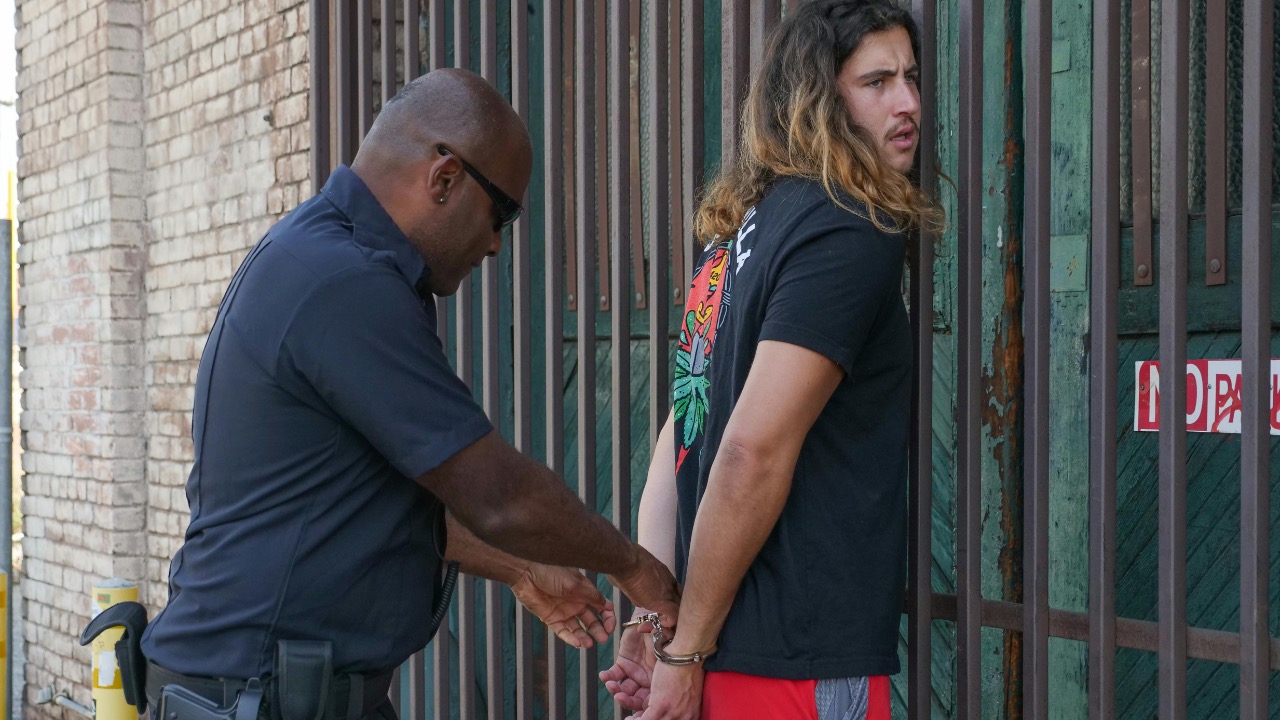
New Jersey man arrested after police chase and alleged phone call to officers
A routine traffic stop in Passaic County, New Jersey, turned into a strange cat‑and‑mouse story after a driver allegedly fled from officers, then picked up the phone to mock them. Within a day, the same man was under arrest, facing a stack of charges that now stand as a cautionary tale about ego, speed, and the reach of modern policing.
Police accounts say the driver not only tried to outrun officers on local streets but also called the department several times afterward to brag about getting away. That decision, paired with the digital trail every call leaves behind, helped officers track him down and showed how a moment of bravado can quickly shift from joke to criminal case.
The traffic stop that sparked a chase
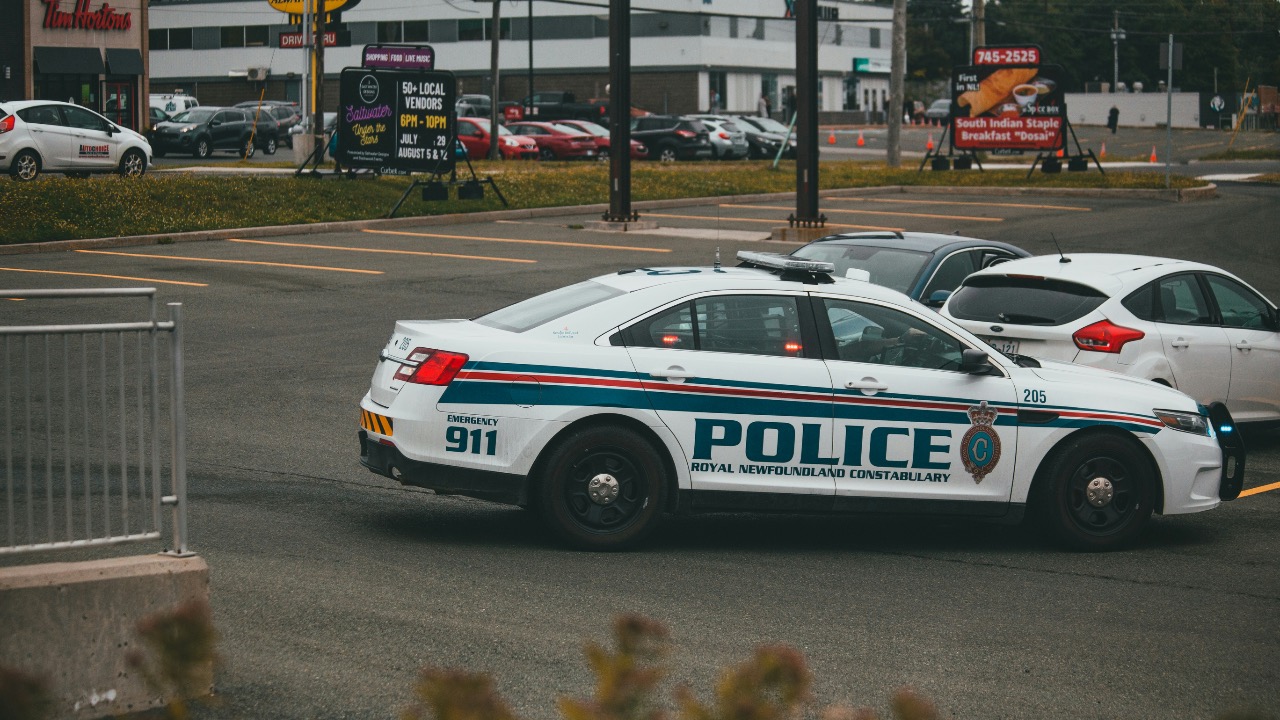
Investigators say the incident began with what should have been a simple traffic stop in Passaic County. An officer approached a parked car, and the driver, who was sitting behind the wheel, allegedly chose to speed off instead of cooperating. In that instant, a minor traffic issue became a pursuit that put other drivers and pedestrians at risk, as described in detailed police statements.
As the officer followed, the driver reportedly ran a stop sign without stopping and made an improper pass on another vehicle. Those choices turned the encounter into a textbook example of how quickly a traffic stop can escalate when a motorist refuses to comply. The same account notes that the officer had to weigh the danger of continuing the chase against the need to catch the suspect, a balancing act that has become central to modern pursuit policies.
Why officers ended the pursuit
Police say they did not chase the fleeing car indefinitely. Instead, they ended the pursuit once it became clear that continuing to follow at speed would threaten bystanders. That decision fits with the way many departments now handle vehicle chases, especially on local roads where cross traffic, driveways, and pedestrians can turn a fast pursuit into a deadly crash. In this case, officers reportedly cut off the chase after deciding that the driver’s erratic moves had already put others at risk, a judgment described in the same Passaic County account.
Calling off a chase does not mean giving up on the case, and police made that clear. Once the pursuit stopped, the focus shifted to identifying the driver, documenting the traffic violations, and planning a follow‑up investigation. That slower, methodical approach would prove important later, when the same driver allegedly decided to call the department and talk about what had happened.
A phone call that changed everything
According to police reports, the day after the traffic stop and chase, the driver picked up the phone and called the local department. Instead of asking about a ticket or trying to clear up confusion, he allegedly used the call to brag about how he had escaped the previous day. That phone contact, described in detail in follow‑up coverage, turned a risky driving incident into a story that has drawn national attention.
Police say the caller not only described his escape but also mocked officers for ending the pursuit. In doing so, he may have given investigators exactly what they needed: confirmation that the person on the line was the same one behind the wheel. The call also created an audio record and a phone number that could be traced, something that would later help officers find him at a specific address for what began as a welfare check.
Multiple calls and a welfare check
The man did not stop at a single taunting call, according to later summaries of the case. He allegedly made several phone calls to the department, repeating his claims about getting away from the earlier chase. Those repeated contacts drew more attention inside the agency and prompted officers to look more closely at who was calling and from where, a sequence described in coverage that noted he had made several phone.
Using the call information, officers went to a listed address for a welfare check, a step they framed as a way to ensure the caller was safe and to clarify what had happened. That visit shifted the case from a phone conversation to an in‑person contact. Once they arrived and confirmed his identity, the same man who had laughed about escaping a chase now faced direct questions about his driving, his calls, and his role in the earlier incident.
From traffic ticket to criminal charges
What began as a traffic ticket quickly expanded into a longer list of alleged offenses. Reports describe the driver as a 38‑year‑old from Passaic County, tied to an incident that started with a citation on Jan. 28 and continued with calls on Jan. 29. One summary of the case refers to him only as an unnamed Passaic County, New Jersey, man, linking the timeline of the ticket and the calls in Jan references.
Another account names the man and gives more detail, identifying him as a 38‑year‑old from PASSAIC and describing how he was first stopped, then later arrested after the calls. That coverage credits Jack Slocum, Patch Staff, and includes specific figures such as 51 and 59 while explaining how the driver’s actions moved the case from a simple ticket into an arrest with multiple counts, as laid out in local reporting.
How investigators linked the calls to the chase
From an investigative standpoint, the phone calls were a gift. Police already had information from the original stop and chase, including the officer’s observations and any registration details tied to the vehicle. When the caller allegedly described the chase and claimed credit for escaping, investigators could compare those statements to what they already knew. That match, along with caller ID and phone records, helped them connect the voice on the line to the driver they had tried to stop, according to the detailed case narrative.
With that link established, police could move beyond traffic citations and look at potential charges tied to fleeing, reckless driving, and misuse of emergency phone lines. The welfare check visit gave them a chance to confirm the caller’s identity face to face. From there, they were able to arrest him and schedule a court date, turning his own words on the phone into part of the evidence they plan to present.
Public reaction and the “News of the Weird” factor
The story has drawn attention far beyond Passaic County because of its mix of danger and absurdity. A man allegedly speeds away from police, then calls them to boast about it, only to be arrested soon after. That sequence has landed the case in roundups of odd crime stories and sparked debate over how someone could misjudge the situation so badly, a reaction captured in coverage that grouped the case among other News of the‑style incidents.
Yet the humor many people see in the man’s bravado sits alongside serious concerns about road safety. The chase involved running a stop sign and passing another car improperly, actions that could have caused a crash. That tension between the comic and the dangerous is part of why the case has spread so widely online, where readers share it as a cautionary tale about ego and the limits of “getting away” in a world where phones record almost everything.
What the case says about modern policing
From my perspective, this incident shows how much policing has shifted from pure street pursuits to a blend of on‑road judgment and digital follow‑up. Officers in Passaic County chose to stop the chase when it became too risky, then used phone records and investigative work to close the gap. That approach reflects a broader move toward limiting high‑speed chases and relying more on technology, as seen in the way they traced the man’s calls and later arrested him after the welfare check described in subsequent reports.
The case also highlights how suspects can talk themselves into deeper trouble. By calling the police to brag, the driver allegedly confirmed details that officers might otherwise have had to prove through more complex means. In a time when many departments record and archive every call, that kind of self‑incrimination can be as damaging as any video. It is a reminder that once someone dials a police number, their words are likely to be preserved, reviewed, and, if needed, played back in court.
A cautionary story for drivers and callers
For drivers, the lesson here is simple. Fleeing a traffic stop almost always makes things worse, both for the person behind the wheel and for everyone else on the road. In this case, police say they initially tried to handle a standard ticket, then watched as the driver allegedly turned it into a chase that forced them to weigh public safety and eventually end the pursuit, as described in summaries of the.
The second lesson is about the phone. Calling a police department to mock officers or boast about illegal behavior is not just unwise, it can also supply investigators with the missing pieces they need. In Passaic County, the same calls that were meant to taunt officers instead helped them find and arrest the caller. That is how a 38‑year‑old from PASSAIC ended up facing a court date after a brief burst of speed, a few reckless moves, and several calls that turned his own voice into evidence.

Leo’s been tracking game and tuning gear since he could stand upright. He’s sharp, driven, and knows how to keep things running when conditions turn.