Wildlife fights you should never try to intervene in
When wildlife photographer Paul Nicklen filmed a starving polar bear collapsing on bare ground, his decision not to step in ignited a global argument about when humans should intervene in nature. On another day, visitors in Rocky Mountain National Park watched a tourist walk straight toward a massive bull elk, taunting the animal as cameras rolled and rangers braced for disaster. Together, those scenes capture the tension at the heart of modern wildlife watching: people are closer to wild animals than ever, yet many still do not understand which battles must be left alone and when stepping in is both unsafe and unethical.
This piece unpacks the kinds of animal clashes that onlookers should never try to break up, even when the instinct to “rescue” a victim feels overwhelming. From predators hunting for survival to bull elk defending a harem, these confrontations are part of how ecosystems function and how wild animals stay wild. Knowing when to back off is not only a matter of personal safety, it is also a basic responsibility to the species we claim to care about.
Predator versus prey: when a hunt is not yours to stop

The hardest scenes to walk away from are often the most natural. A hawk pinning a squirrel, a fox carrying off a fawn, or an orca chasing a seal can look like cruelty, but for the hunter it is a life‑or‑death meal. Wildlife hospitals report that every year they admit patients that people have “saved” from predators, from squirrels pulled out of raptors’ talons to eggs snatched away from crows. Staff at one center explain that intervening in these cases usually does more harm than good, because it takes necessary food away from predators and any young they may be feeding, while the “rescued” animal often dies later from injuries or stress, even after being brought to a clinic, and because predation keeps ecosystems balanced and healthy, they urge the public to let natural hunts play out and to call a licensed rehabilitator only when a domestic pet is involved in the attack, not a wild hunter, since predation keeps ecosystems.
Modern cameras have turned these confrontations into online entertainment, with compilations of WORST ANIMAL FIGHTS CAUGHT TAPE and other viral clips showing lions dragging buffalo or big cats ambushing antelope. One video promoted as “20 WORST ANIMAL FIGHTS CAUGHT TAPE” packages some of the most graphic clashes into a single viewing experience, encouraging viewers to subscribe for more of the same, even as the footage shows predators doing exactly what they evolved to do to survive, as seen in one WORST ANIMAL FIGHTS compilation.
Territorial battles and mating fights that can flatten a person
Not every wildlife fight is about eating. Territorial clashes and mating battles are some of the most violent scenes in nature, and they are exactly the kind of conflicts people need to watch from a serious distance. Under desert skies, on open plains, and in the oceans, males of the same species slam into each other to defend a patch of ground or a breeding partner. Long‑form documentaries show how these rivalries play out all over the world as species clash in what one program describes as nature’s savage battle of survival, following animals from plains to oceans and deserts as they fight rivals rather than prey, as captured in one extended wildlife brawls episode.
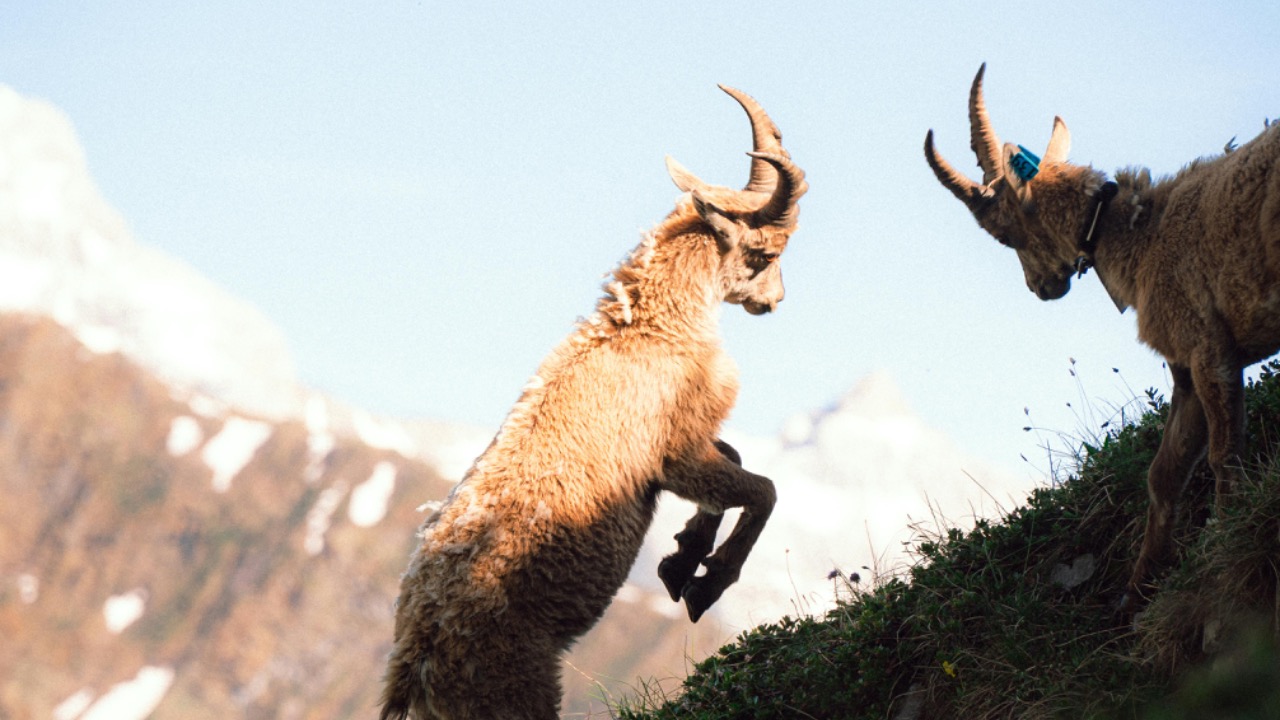
Closer to home, people often underestimate how dangerous it is to step into the space of a large herbivore locked in a dominance contest. In Rocky Mountain National Park, a video showed an entitled tourist striding toward a massive bull elk, gesturing and talking as if the animal were a prop, while bystanders filmed and later commented that seeing these kinds of incidents occur is stressful for wildlife, for witnesses, and for park rangers who work to protect elk from harassment, and that when tourists push animals into defending themselves, the elk may later be euthanized for instinctually acting in self defense after being provoked, a chain of events that begins with someone refusing to respect a territorial boundary, as described in a report on Seeing these kinds of encounters.
Birds of prey in mid‑air duels and nest raids
Raptors are built for conflict, and their aerial fights can look like something out of a war film. Eagles and hawks grapple in mid‑air over fish, rabbits, or nesting territories, sometimes locking talons and tumbling toward the ground while onlookers gasp. Wildlife artists and rehabilitators who watch these birds closely describe how, for animals, the instinct to fight is fierce, from birds of prey battling over nest sites to a brave hare protecting her leverets, and they show how these confrontations are part of daily survival for both hunters and their would‑be victims, a reality highlighted in a video about how wildlife battles to survive that notes that for animals the instinct to fight is fierce, as seen in one clip shared on animals, the instinct to fight.
The urge to intervene can spike when both combatants are charismatic species, such as eagles. In one widely discussed scenario, a drowning eagle sparked a debate among commenters about whether humans should step in at all, with one person, Judy Reilly, arguing that she would intervene because she believed it was the drowning eagle’s destiny that she would be there to save it and describing herself as a strong swimmer who loves the water, while others, including Elaine Stevens, weighed in on the risks and ethics of wading into a wild bird’s life‑or‑death struggle. That debate, which played out under a post asking whether or not to intervene, shows how even experienced wildlife fans disagree when they watch an eagle fight for its life, as seen in a thread where Judy Reilly and others comment.
Silent killers and ambush specialists you never see coming
Some of the most dangerous wildlife fights are the ones you do not notice until you are already too close. Ambush predators and silent hunters rely on stealth, which means a human who blunders into the scene can be mistaken for a rival or a threat. A list of nine animals described as silent hunters and killers points out that Pythons, the slithery creatures of the wild, creep up on victims without a sound, coil around them, and squeeze with enough force to stop breathing and blood flow, killing them slowly and painfully, and that there is often no warning hiss or rattle before the strike, which is exactly why people should never try to pull a constrictor off its prey or pose near a snake that is already in hunting mode, as explained in a feature on Pythons and other silent killers.
Video compilations of “craziest animal fights” often highlight how quickly these ambushes unfold. In one reaction video, a wildlife expert watches a crayfish hunt where a predator has locked onto the scent and is going for it while a diver coaxes the hunter closer, illustrating how even a small change in behavior by a human can alter the course of a hunt and potentially put the diver at risk, a point made as the expert reacts to TikTok animal fights. Other clips show crocodiles, sharks, and big cats launching from cover in a split second, leaving no safe window for a bystander to separate predator from prey without stepping into the strike zone.
Megafauna clashes: hippos, crocs, bears and beyond
Big‑body confrontations are especially tempting for people with cameras, since a hippo flinging a crocodile or a bear charging a rival looks like a once‑in‑a‑lifetime shot. Yet these are exactly the fights that can kill a human who gets too close. In one breakdown of viral clips, wildlife expert Forrest Galante explains that a large crocodile can attack a baby hippo if it can sneak through the parents, but that a large crocodile is no match for an individual adult hippo, because hippos are so powerful and aggressive in the water that they can crush or toss the reptile aside, a reminder that stepping into a hippo versus crocodile confrontation would put any human between two animals that both rank among Africa’s most dangerous, as Galante notes while reviewing how large crocodile can a baby hippo.
Other long‑form programs follow bears, big cats, and marine giants as they battle for food or territory in what producers describe as deadly battles of the Animal Kingdom, packaging three full episodes into an Animal Fight Night MEGA Episode that features segments on Deadly Battles, Survival of the Fittest, and Sudden Death to show the tactics fearless predators use, including ambushes, surprise charges, and sustained chases, all of which leave no safe margin for a person on foot who tries to intervene or even stand too close, as seen in a special that invites viewers to Discover the deadly battles of the Discover the Animal Kingdom. Similar footage in other series follows predators clashing on coral reefs and even on suburban streets, reinforcing that when megafauna fight, the safest place for a human is far away behind a long lens, not between the combatants.
When self‑defense is the only justified intervention
There is one clear line where stepping into a wildlife confrontation is not only understandable but legally protected: when a person or another human is under direct threat. Hunter education materials in Utah, for example, state that R657‑63, Self defense against wild animals, allows a person to be legally justified in killing or seriously injuring a threatening wild animal when the person reasonably believes such force is necessary to prevent death or serious bodily injury to themselves or another person, a standard that focuses on immediate danger rather than on rescuing prey animals from predators, as spelled out in guidance on R657-63 and self defense.
Safety advice for hikers and tourists echoes that principle. Experts recommend that if a bear, bison, shark, or alligator has not noticed you, the top tips are to quietly move away, but if the animal has already locked onto you, you should try to make yourself appear big by raising your arms, speaking firmly, and backing away without turning your back, tactics that aim to avoid triggering a chase while still protecting your own life, as described in a guide that lays out Top tips and advises people to quietly move away if they can when they Top tips: Quietly move away. In other words, the law and safety guidance align: intervene only to stop an attack on a person, not to save a wild animal from another wild animal.
The ethics of watching: photographers, tourists and viral clips
Modern wildlife ethics are being shaped not just in parks and forests but in comment sections under viral videos. One Facebook post featuring Paul Nicklen’s polar bear footage framed the dilemma bluntly, asking whether or not to intervene, and drew thousands of reactions from people torn between empathy for a starving animal and respect for natural processes. Nicklen himself has spoken about the limits of what a single photographer can do in the face of climate‑driven habitat loss, while the post’s discussion thread shows how viewers project their own values onto scenes of suffering, with some insisting that any chance to save an individual animal should be taken and others arguing that interference would only delay the inevitable and distract from the larger crisis, a tension laid bare in the debate over whether a photographer should intervene is a wildlife photographer’s dilemma.

Leo’s been tracking game and tuning gear since he could stand upright. He’s sharp, driven, and knows how to keep things running when conditions turn.