The Self-Defense Ammo Debate That Never Seems to End
The argument over self-defense ammunition has been going on for decades, and it doesn’t look like it’s slowing down anytime soon. Walk into a gun shop, sit down at a range bench, or scroll through any shooting forum and you’ll hear strong opinions within minutes. Everyone has a favorite load, a trusted brand, or a theory about what works best when things go bad.
Part of the reason the discussion never settles is that modern defensive ammo is actually very good across the board. Most major manufacturers produce loads that perform well in testing, which means shooters start splitting hairs over small differences. Penetration depth, expansion, recoil, barrier performance, and reliability all get pulled into the conversation.
If you carry a handgun for protection, you’ve probably wrestled with these same questions yourself. Here are several parts of the self-defense ammo debate that shooters keep circling back to year after year.
Hollow Points vs. Full Metal Jacket

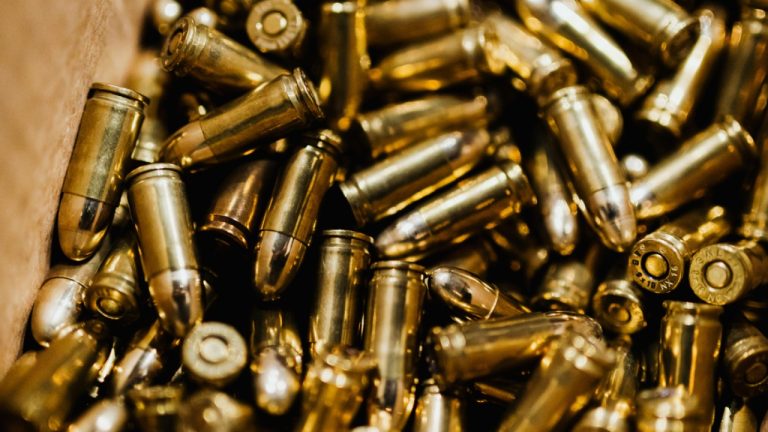
This argument still pops up despite years of ballistic testing. Most shooters agree that hollow points are designed for defensive use because they expand and slow down in soft tissue, which reduces the chance of a bullet passing straight through a target. Law enforcement agencies adopted them for exactly that reason.
Still, you’ll hear people argue that full metal jacket loads feed more reliably or penetrate deeper. That concern mostly comes from older pistols that struggled with hollow point shapes decades ago. Modern handguns usually run quality defensive hollow points without trouble. Even so, the conversation keeps resurfacing whenever someone has a feeding issue or wants deeper penetration.
Penetration vs. Overpenetration
Ask ten experienced shooters how much penetration is ideal and you’ll probably hear ten slightly different answers. Many refer to the FBI guideline of roughly 12 to 18 inches in ballistic gelatin, which attempts to balance stopping potential with safety concerns.
The worry about overpenetration often comes up when people think about defensive situations in homes or crowded areas. On the other hand, too little penetration can prevent a round from reaching vital organs. That tension keeps the debate alive. Every new bullet design promises the right balance, but shooters still argue about whether those numbers translate to real-world results.
Heavy Bullets vs. Light, Fast Loads
Another classic debate centers on bullet weight and velocity. Some shooters prefer heavier projectiles because they tend to penetrate deeper and maintain momentum after encountering clothing or bone. Heavier bullets also often produce a slower recoil impulse that some people manage well.
Others lean toward lighter, faster loads that expand aggressively and deliver flatter trajectories at defensive distances. These rounds can feel snappier, though many shooters appreciate the energy they deliver. Both camps have solid reasoning, and both approaches appear in respected defensive loads, which keeps the discussion going.
Standard Pressure vs. +P Ammunition
Walk down the defensive ammo aisle and you’ll see plenty of boxes marked +P. These rounds operate at higher pressure levels, which increases velocity and energy compared to standard loads. Many shooters believe the extra speed helps hollow points expand more reliably.
The tradeoff is recoil and wear on the firearm. Smaller carry pistols can feel noticeably sharper with +P ammunition, and some manufacturers recommend limited use. That leaves shooters weighing whether the performance gain is worth the extra kick. Some swear by it, while others stick with standard pressure loads they shoot more comfortably.
Brand Loyalty vs. Real-World Testing
A lot of shooters settle on a particular brand and stick with it for years. Federal, Speer, Hornady, Winchester, and others all produce defensive ammunition with strong reputations. Once someone has good results with a specific load, it’s hard to convince them to change.
At the same time, ballistic testing continues to evolve. Independent tests, gelatin results, and law enforcement evaluations often reveal that several brands perform very similarly. That leads to endless comparison discussions. Some shooters chase the latest test results, while others trust the rounds they’ve carried for years.
Barrier Performance
Real-world defensive scenarios don’t always happen in open air. Bullets may pass through clothing, glass, drywall, or other obstacles before reaching a threat. That’s where barrier performance becomes a major part of the debate.
Certain defensive loads are engineered to maintain expansion even after passing through intermediate materials. Others prioritize expansion in soft targets and may clog or deform after hitting barriers. Shooters who think about vehicle defense or urban environments often value barrier performance more heavily, while others focus on typical indoor encounters.
Recoil Control in Small Pistols
Compact carry pistols changed how people think about defensive ammo. A load that feels manageable in a full-size handgun can feel much sharper in a lightweight subcompact. That difference pushes shooters to consider recoil control when choosing ammunition.
Some prefer milder loads that allow quicker follow-up shots and better accuracy under stress. Others accept stronger recoil if the bullet design performs well in testing. Because many people carry smaller handguns today, this part of the debate shows up more often than it did twenty years ago.
Cost vs. Carrying Confidence
Defensive ammunition costs more than typical range ammo, and that affects how often people train with it. Some shooters buy a few boxes to confirm reliability and then save the rest for carry. Others insist on practicing regularly with the exact load they carry.
This difference in approach fuels another round of debate. One side believes confidence comes from repeated practice with your chosen round. The other side points out that modern defensive loads are consistent enough that basic reliability testing may be sufficient. Both viewpoints have reasonable arguments behind them.
Reliability in Your Specific Gun
No matter how impressive a bullet looks in a catalog, the most important test happens in your own firearm. Different pistols can behave differently with certain bullet shapes or pressures. Feed ramp geometry, magazine design, and recoil springs all play a role.
That’s why experienced shooters often recommend running at least a few magazines of defensive ammo through your carry gun before trusting it. When someone discovers that their pistol prefers one load over another, the debate suddenly becomes personal. What works perfectly for one shooter may cause problems for another.
Shot Placement vs. Bullet Design
Eventually the conversation circles back to a basic truth: bullet placement still matters more than bullet design. Even the most advanced hollow point won’t make up for poor hits. Experienced shooters know that accuracy and control carry more weight than brand or marketing claims.
Still, people continue to search for the perfect defensive round. The shooting community has always been drawn to gear discussions, and ammunition sits right at the center of that culture. As long as new loads keep hitting the market and shooters keep comparing notes, the self-defense ammo debate will keep rolling along.

Asher was raised in the woods and on the water, and it shows. He’s logged more hours behind a rifle and under a heavy pack than most men twice his age.