America’s lakes with the largest alligator populations
If you spend enough time fishing or hunting around the Southeast, you eventually learn that alligators are part of the landscape. They’re not rare curiosities anymore. In many lakes, they’re as common as herons on the shoreline or bass under the docks. Healthy wetlands, long warm seasons, and decades of protection helped bring the American alligator roaring back after near extinction in the mid-1900s.
Today, several lakes across the southern United States support dense, well-established gator populations. Some are massive reservoirs. Others are shallow natural lakes surrounded by marsh and cypress. If you launch a boat at dawn or idle into a backwater at dusk, chances are you’ll see eyes glowing along the shoreline. These lakes hold some of the largest concentrations of alligators in the country.
Lake Okeechobee
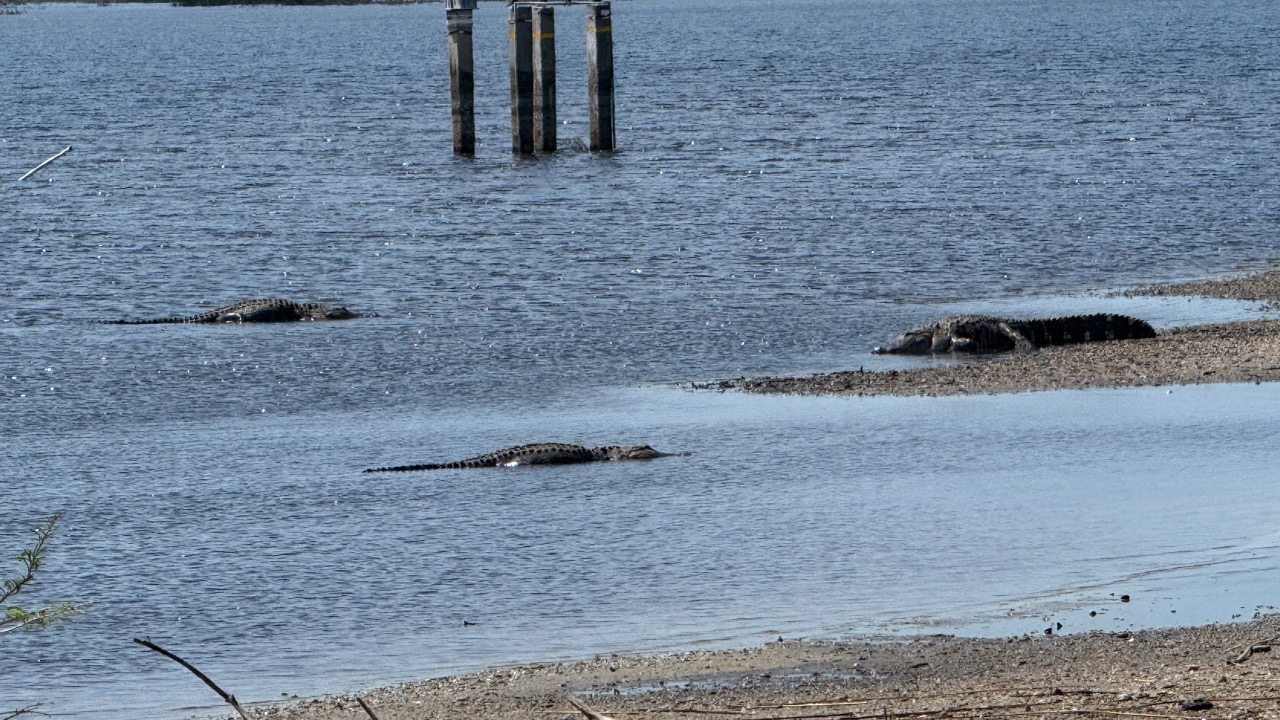
When you talk about gators and lakes in the United States, Lake Okeechobee sits near the top of the list. This sprawling Florida lake covers roughly 730 square miles and is surrounded by marsh, grass flats, and canals that create perfect habitat for alligators. The shallow water warms quickly and produces huge populations of fish, birds, and turtles—everything a big predator needs.
Spend time on the outer grass lines or near the marshy edges and you’ll notice how common they are. Local anglers expect to see them daily. Wildlife surveys regularly confirm strong numbers across the lake. The combination of size, food, and wetland habitat keeps Lake Okeechobee one of the most alligator-rich waters in the country.
Lake Kissimmee
Lake Kissimmee sits in central Florida and is part of the Kissimmee Chain of Lakes, an area famous for bass fishing and wildlife. The shoreline is lined with marshes, lily pads, and flooded grass beds that stretch for miles. Those quiet backwaters provide ideal cover for large numbers of alligators.
If you idle through the marsh canals early in the morning, you’ll often see multiple gators within a short distance. The lake’s shallow structure and abundant fish make it prime hunting ground. Wildlife managers regularly monitor strong populations here, and hunters who draw tags know Lake Kissimmee produces big animals year after year.
Lake Jesup
Lake Jesup may not be the largest lake in Florida, but it carries a reputation for dense alligator numbers. Located near Orlando, the lake covers about 16,000 acres and is surrounded by marsh and wetlands that provide excellent habitat.
Biologists have long reported that the lake supports thousands of alligators. The shoreline vegetation and shallow water offer shelter and feeding areas where they can thrive. Kayakers and anglers who explore the lake often mention how frequently they spot them sunning along banks or cruising through vegetation. Lake Jesup has become one of the most well-known places in Florida for seeing large numbers of gators in one place.
Lake George
Lake George sits along the St. Johns River in northern Florida and is one of the largest lakes in the state. The surrounding landscape includes marshes, springs, and hardwood forests that create a strong ecosystem for wildlife, including a large alligator population.
The St. Johns River system connects multiple habitats, allowing gators to move easily between marshes, creeks, and open water. During warm months, you’ll see them along sandy shorelines or floating near vegetation mats. Anglers fishing for crappie or bass are accustomed to sharing the water with them. The lake’s size and connection to the river keep the population steady and widely distributed.
Lake Marion
Lake Marion in South Carolina is another well-known stronghold for American alligators. This massive reservoir covers more than 110,000 acres and features flooded timber, swamps, and shallow coves that create excellent habitat.
The upper portions of the lake are especially productive for gators. Cypress trees, submerged logs, and warm shallow water provide ideal conditions for nesting and hunting. Anglers fishing around the flooded forests often see large animals sliding into the water as boats approach. Lake Marion’s size and habitat diversity allow it to support one of the larger alligator populations outside of Florida.
Lake Moultrie
Connected to Lake Marion by the Diversion Canal, Lake Moultrie also supports a healthy alligator population. The lake is slightly more open, but the surrounding wetlands and shallow edges still provide plenty of habitat.
Alligators tend to gather along quieter shorelines where vegetation and baitfish are common. Fishermen targeting catfish or striped bass often spot them cruising the banks or resting near reeds. Wildlife agencies in South Carolina maintain regulated hunting seasons here, which helps manage the population while confirming how strong the numbers remain.
Caddo Lake
Caddo Lake straddles the Texas-Louisiana border and looks like something out of another era. Bald cypress trees draped with Spanish moss rise out of dark water, and narrow bayous twist through thick swamp. That landscape creates ideal conditions for alligators.
The maze of sloughs, flooded timber, and marshy edges provides shelter and food year-round. Fish, turtles, and waterfowl are abundant. If you paddle quietly through the cypress groves, you’ll likely see gators resting along logs or gliding through the blackwater. Caddo Lake has supported strong alligator numbers for decades and remains one of the best places in Texas to encounter them in the wild.
Toledo Bend Reservoir
Toledo Bend Reservoir stretches along the Texas-Louisiana border and ranks among the largest reservoirs in the South. While the lake is best known for trophy bass fishing, it also supports a growing alligator population.
Large stretches of flooded timber, creek arms, and marshy backwaters give gators the habitat they need. In quieter sections of the lake, especially near the Sabine River channels and coves, sightings are becoming more common each year. Wildlife officials in both states monitor the population closely, and regulated hunts confirm that the reservoir now holds a healthy number of mature animals.
Lake Pontchartrain
Lake Pontchartrain in Louisiana is technically an estuary connected to the Gulf of Mexico, but its enormous size and shallow marsh edges support a noticeable alligator presence. The lake spans more than 600 square miles, with wetlands and bayous feeding into its edges.
Most gators stay close to the marshes and canals that drain into the lake. Those areas provide calm water, fish, and nesting sites. Boaters exploring the quieter shorelines or nearby bayous often see them resting along muddy banks. The surrounding Louisiana wetlands help sustain a population that continues to expand across the region.
Lake Seminole
Lake Seminole sits where Georgia, Florida, and Alabama meet. The reservoir is surrounded by swamps, flooded timber, and river channels created by the Flint and Chattahoochee Rivers. Those conditions make the lake excellent habitat for alligators.
Large sections of the lake remain quiet and lightly developed, which allows gators to nest and hunt without much disturbance. Anglers working through hydrilla beds or drifting along the timber often notice them slipping beneath the surface as boats approach. Lake Seminole supports a solid population, and sightings have become a normal part of spending time on the water there.

Asher was raised in the woods and on the water, and it shows. He’s logged more hours behind a rifle and under a heavy pack than most men twice his age.