National park firearm rules visitors should know before bringing a gun
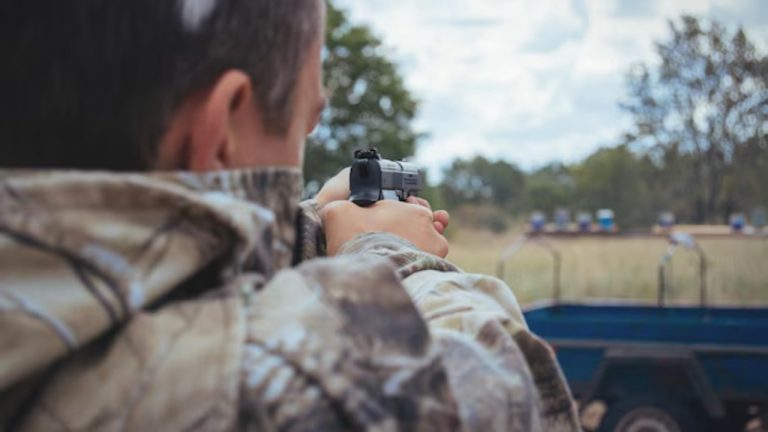
Firearms are no longer automatically banned at the entrance to a national park, but that does not mean visitors can carry anything, anywhere, in any way they choose. Between federal rules, state statutes and park-specific policies, the margin for error is narrow, and a mistake can turn a family trip into a criminal case. Anyone thinking about bringing a gun into a park needs a clear picture of what is allowed, what remains off limits and how those rules actually work on the ground.
The core promise of current law is simple: people who may legally possess a firearm under federal and state law can usually bring it into a national park, yet they still face strict limits on where that gun can go and how it can be used. Understanding those limits before loading the car can be the difference between a lawful visit and a costly violation.
How federal law changed firearm rules in national parks
For decades, national parks followed a much tighter federal regime that largely barred loaded guns in most areas. That shifted after Congress approved a new law that allowed possession of loaded firearms in parks starting in Feb. 2010, a change reflected in National Park Service guidance that describes how people who can legally possess guns under applicable law may now bring them into many park areas. Earlier NPS materials explain that visitors who traveled with firearms previously had to keep them unloaded, rendered inoperable and packed, cased or stowed, a standard that no longer applies in the same way.
Current policy from the National Park Service explains that the possession of firearms in National Park Units is now tied to the laws of the state where each park is located. In practice, that means a visitor who can lawfully carry in Arizona will generally be able to carry in Grand Canyon National Park, while someone who could not legally possess a gun under New York law will not suddenly gain that right at a park boundary.
Separate NPS documents clarify that this shift does not turn parks into free-fire zones. Congress still bans firearms in specific federal facilities, and the NPS continues to regulate hunting and target shooting on its lands. The change primarily affects simple possession and carry, not the ability to discharge a weapon wherever a visitor chooses.
State law now drives most carry rules inside parks
Because the federal framework defers to state law, the same handgun can be legal in one park and illegal in another, even on the same road trip. The NPS notes that visitors are responsible for knowing and following the gun laws of the state in which a park sits, and some parks even span multiple states, further complicating the picture.
Guidance from Colorado National Monument illustrates the point. The site explains that if someone can possess firearms legally according to the laws of the state in which a park is located, that person can generally carry them in that park, a standard echoed in its Firearms Regulations page. That same visitor, however, would face very different rules at a park in a state that designates large areas as sensitive locations where carry is restricted.
State-level resources highlight those differences. One overview of Colorado gun law notes that People may carry firearms in national forests in the state but must comply with both federal regulations and state statutes, particularly around federal facilities such as visitor centers. A New York focused legal guide explains that Understanding where concealed carry is banned in sensitive locations is essential to staying within state law, a principle that applies equally when those locations sit inside a national park boundary.
For travelers who cross multiple states en route to parks like Zion, the Rocky Mountains or Glacier National Park, reciprocity rules further complicate the picture. A travel law advisory stresses that When traveling with a firearm, it is essential to be aware of federally designated gun-free zones and varying state restrictions, and that logic extends directly to national parks that sit inside those states.
Open carry, concealed carry and what “legal possession” really means
Once inside a park, most visitors want to know whether they can carry openly on a trail or keep a concealed handgun under a jacket. Federal law does not distinguish between open and concealed carry in parks; instead, it defers to the state definition of legal possession. A detailed explainer on Whether open carry carry is allowed makes clear that visitors must follow the same rules that apply outside the park gate.
In practice, a state that allows permitless open carry but requires a license for concealed carry will treat a hiker with a visible sidearm differently from a camper with a pistol under a shirt. The same source emphasizes that Guns in National Parks are not governed by a separate nationwide carry permit, so a license valid in one state might not be recognized in another, even if both states contain popular park units.
Another section of that guidance states plainly that Yes federal law allows firearms in national parks, but with important restrictions that every carrier needs to know before the trip. The phrase “legal possession” therefore bundles together eligibility to own a firearm, any licensing or training requirements for carry and the specific mode of carry that state law permits.
Federal buildings and other hard no-carry zones
Even when a visitor fully complies with state carry law, some parts of every park remain gun free. Federal statute bars firearms in certain facilities, and the NPS reiterates that federal law prohibits guns in buildings where federal employees regularly work, such as visitor centers, administrative offices and some ranger stations.
The NPS article on Firearms in National explains that these locations are typically marked with signs at public entrances. Online discussions among gun owners echo the same warning. One Reddit thread about whether someone can bring a gun into a park features a commenter in the Comments Section who remarks that Never assume you can carry inside a federal building, since those spaces remain covered by separate federal rules.
A separate conversation about concealed carry in national parks advises readers to Stay out of any federal buildings where federal employees are working and notes that, according to NPS guidance, federal facilities are treated differently from outdoor areas. That comment, later Edited for clarity, drives home that even experienced carriers can miss key distinctions without carefully reading official rules.
Legal guides that focus on travel reinforce the stakes. One Oklahoma based defense overview warns that Violating federal firearm restrictions can lead to severe consequences, including imprisonment, and urges anyone facing charges to seek legal advice tailored to their circumstances. Those penalties apply equally to a park visitor who walks into a posted visitor center with a handgun on a hip.
Hunting, target shooting and what remains off limits
Possessing a firearm in a national park is not the same as being allowed to fire it. A detailed legal explainer on Firearm possession in parks notes that Historical Context matters. Pre 2010, firearms were generally prohibited except for narrow uses, and even now, Firearm possession is allowed in many park areas but does not automatically authorize hunting or target practice.
Most national parks continue to restrict recreational shooting and limit hunting to specific units or seasons, if they allow it at all. Separate NPS materials explain that Congress permits some parks to host managed hunts under tightly controlled conditions, while many others ban hunting entirely. Discharging a weapon on a scenic overlook or near a popular campground will almost always violate both federal regulations and state law, regardless of whether the shooter is otherwise allowed to carry.
State law again plays a role. In Colorado, for example, guidance notes that People may carry firearms in national forests but must follow both federal rules and state hunting regulations, which often require licenses, define seasons and restrict shooting near roads or occupied buildings. Similar restrictions apply when a national park borders or overlaps with a national wildlife refuge, since the U.S. Fish and Wildlife Service applies its own standards to hunting and firearms.
What counts as a “weapon” inside a park
Many visitors focus on handguns and rifles, but park rules often sweep in other devices. A concealed carry guide that covers parks notes that some weapons may be restricted even when firearms are allowed, and that items such as air rifles and BB guns are still prohibited in certain areas. The same resource points out that From Zion, to the Rocky Mountains, to Glacier National Park, over 300 m people visit one of America’s national parks each year, which is one reason regulators pay attention to any object that can injure or intimidate.
The specific guidance reads that Some Weapons May and that BB guns are still prohibited, even where traditional firearms may be carried under state law. That distinction can surprise travelers who assume that a low powered air gun is automatically less regulated than a handgun.
Park compendiums, which are site specific rulebooks, often go further. For example, the Kennesaw Mountain National Battlefield Park compendium, updated in Oct., highlights a change in concealed weapons regulation and directs visitors to check signs at all public entrances. Those documents can classify items like bows, crossbows, large knives or chemical sprays as weapons in certain contexts, so a visitor who wants to bring non firearm tools should read local rules just as carefully as gun owners do.
Why visitors still need park specific rules
Even with a clear grasp of federal and state statutes, the rules can shift from one park unit to the next. Each superintendent has authority to issue a park specific compendium that tailors regulations to local terrain, wildlife and visitor patterns. Those compendiums can restrict where firearms may be carried, how they must be stored in campgrounds or whether certain backcountry zones are subject to additional limits.
Colorado National Monument provides an example in its visitor guidance on Firearms Regulations in the Park. The site reiterates that as of February 22, 2010, federal law allows people who can legally possess firearms under applicable federal, state and local laws to carry them in the park, then immediately reminds visitors that firearms are still prohibited in federal facilities and that additional rules may apply where the park overlaps with the National Wildlife Refuge System.
Other NPS materials, such as those for Kings Mountain National Military Park, repeat the same structure. As of February 22, 2010, a new federal law allows people who can legally possess firearms to carry them in that park, but firearms are not allowed in federal buildings. The combination of broad permission and precise carve outs is now standard across the system.

Leo’s been tracking game and tuning gear since he could stand upright. He’s sharp, driven, and knows how to keep things running when conditions turn.