Latest updates as tensions rise and missiles are launched in Iran conflict
Missile exchanges between Iran and the United States-Israeli coalition have pushed the region into its most dangerous phase in years, with strikes now reaching strategic bases, nuclear-adjacent sites, and densely populated cities. As air raid sirens sound from Israel to the Gulf, the conflict is widening into a contest over energy routes, global tech hubs, and the future security order across the Middle East.
The latest salvos, including ballistic launches into the Indian Ocean and barrages on Israeli territory, indicate that both sides are prepared to absorb higher risks, while neighboring states scramble to avoid being pulled into the line of fire.
Iran’s long‑range missile message
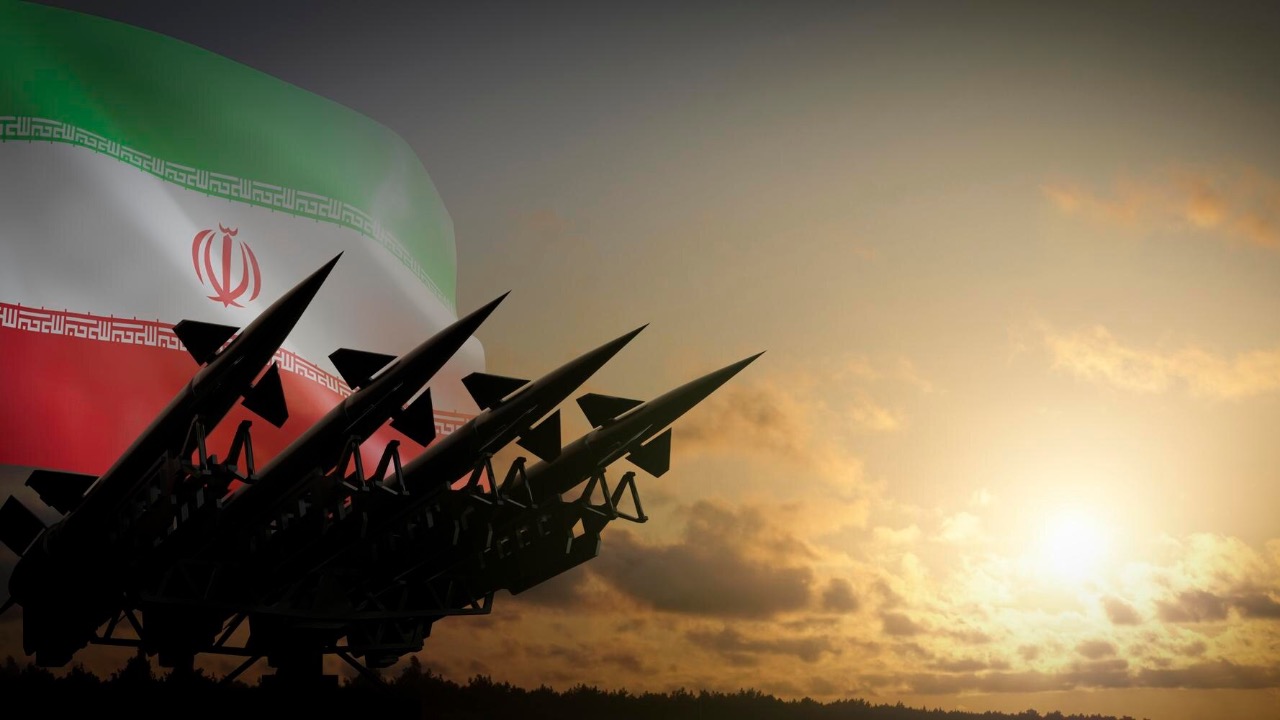
The clearest sign of escalation came when Iran launched two ballistic missiles at the US-UK base at Diego Garcia in the Indian Ocean. Analysts describe the strike on Diego Garcia as a deliberate attempt to demonstrate reach against a critical logistics hub that has long underpinned Western operations across the Middle East and beyond. The attack revealed either a new Iranian capability or a willingness to unveil systems that had previously stayed in the shadows.
Earlier updates on Iranian capabilities highlight how facilities such as The Shahroud missile complex support solid-fuel ballistic development, which shortens launch preparation times and complicates preemptive targeting. Combined with reports that Russia is sharing to support such attacks, the Diego Garcia strike points to a maturing missile enterprise that can threaten both regional and extra-regional assets.
Missile barrages hit Israel from north to south
Inside Israel, the conflict has shifted from sporadic rocket fire to sustained missile waves. A recent bulletin described a deadly 24 hours in which Iranian and Hezbollah missile attacks wounded over 100 people, killed one person in the north, and caused significant damage across multiple cities. A related broadcast on the same day stressed that Iranian and Hezbollah strikes left over 100 injured as salvos hit Israel from north to south.
Conflict mapping from a Middle East Special shows that Iranian strikes have repeatedly targeted densely populated areas in Israel, magnifying the humanitarian toll and political pressure on Israeli leaders to respond forcefully. Meanwhile, the United States-Israeli coalition has continued its own large-scale missile and air campaigns against Iranian territory and allied militias, with one report describing IRAN and the United States-Israeli coalition exchanging a massive wave of.
Strikes near nuclear‑linked facilities
Beyond urban centers, both sides have signaled a willingness to operate around nuclear-associated sites. Iranian missiles recently struck near an Israeli nuclear facility after Tehran claimed that one of its own sensitive locations had been targeted earlier in the campaign. A live report noted that You could no longer follow updates on that earlier page because coverage had shifted to a new live feed, underscoring how quickly events around these sites were evolving.
These exchanges around nuclear infrastructure raise the risk of miscalculation, even if both sides appear to be calibrating strikes to avoid direct hits on reactors or fuel storage. The targeting of adjacent facilities and air defenses still carries the danger of debris, system failures, or misread intentions that could drag the conflict into a far more dangerous domain.
Tehran’s threats against Gulf and tech hubs
Iran is not limiting its messaging to Israel and Western bases. According to a regional update, Tehran has warned the United Arab Emirates that it will hit the port city of Ras al Khaimah if Iranian assets in the area are attacked. The warning, reported as part of broader coverage of the war, singled out UAE facilities and highlighted Ras al Khaimah by name, signaling that the United Arab Emirates is being treated as a potential battlefield if it is perceived to support strikes on Iranian sites.
In parallel, Iran has broadened its deterrent rhetoric to include global technology centers. Live coverage from the region reported that Iran President Masoud Pezeshkian warned of strikes on global tech hubs if Iranian power plants are targeted. The report quoted the Iran President as vowing to confront threats and linked his comments to fears that attacks on Iranian energy and infrastructure could spiral into a broader cyber and physical confrontation with multinational companies.
Strait of Hormuz and the energy shock risk
The Strait of Hormuz has again emerged as a central pressure point. Iranian military officials warned that the waterway would be “completely closed” if the United States follows through on threats issued by Donald Trump in response to Iranian actions. A live update on the conflict described how smoke rose after an Israeli airstrike on the Qasmiya Bridge, and in the same running coverage, Iranian officials linked any closure of Hormuz to further Western escalation. The warning was captured in a series of updates that also tracked oil and gas price reactions.
Analysts tracking the war argue that the targeting of energy facilities has already turned the conflict into a worst case scenario for Gulf states. One assessment described how the targeting of refineries, pipelines, and export terminals created the most serious regional escalation since the war began, with Gulf governments now forced to weigh their security partnerships against the risk of direct strikes on their own territory.
Domestic and regional political stakes
Inside Iran, the conflict intersects with unresolved domestic grievances. One report highlighted the case of professional footballer Amir Nasr al Zadani, who faces more than 20 years in jail for involvement in protests in 2022. The story, which emphasized that One of the detainees was Amir Nasr Zadani, underscores how human rights cases remain a flashpoint even as the regime frames the current war as a national struggle against foreign aggression.
Regionally, the conflict has already been framed by some monitors as a full-scale war between Iran and the US-Israel partnership. A special issue on regional conflict trends described how Iran and The US and Israel have moved beyond shadow warfare into open confrontation, with Iranian strikes on Israel and coalition operations on Iranian soil now a regular feature of the Middle East Special coverage.
How far could the conflict spread
Regional governments are watching for signs that the conflict could spill over into new theaters. A detailed overview of the war on day 22 noted that Tehran had issued specific threats against Ras al Khaimah and other facilities in the United Arab Emirates, framing any attack on Iranian-linked infrastructure there as a trigger for direct retaliation. The same overview of the US-Israel-Iran war highlighted the risk that missteps around these red lines could draw Gulf states more deeply into the confrontation.
On the information front, live coverage has shifted between different feeds as the tempo of events accelerated. One earlier live page on Iranian missile strikes near Israeli nuclear facilities explicitly told readers that they should follow a new live page for further developments, a reminder of how quickly the situation around Iranian missile strikes can change.
What to watch next
Several indicators will show whether the conflict is heading toward containment or further escalation. Any repeat of long-range strikes like the Diego Garcia attack would suggest that Iran intends to normalize direct pressure on Western bases, not just signal once. If Iranian and Hezbollah barrages on Israel continue to wound figures on the scale of 100 people in a single day, domestic pressure in Israel for decisive action will only grow.
Gulf states will also be forced into sharper choices if Iran follows through on threats to hit Ras al Khaimah or if the Strait of Hormuz is disrupted. Finally, Iran President Masoud Pezeshkian’s warnings about global tech centers and power plants hint at an emerging front that could involve cyber operations as well as physical attacks, with consequences far beyond the Middle East. For now, the pattern of missile launches, retaliatory raids, and sharpened threats suggests that the conflict is still climbing rather than cooling.

Asher was raised in the woods and on the water, and it shows. He’s logged more hours behind a rifle and under a heavy pack than most men twice his age.