The gear hunters swear by — until it lets them down
Hunters build trust in gear the hard way, one soaked hike, frozen sit, or blown stalk at a time. The same jackets, boots, and optics that feel like lifesavers in one season can feel like liabilities when conditions or expectations change. The gear that hunters swear by often sits right on that edge between performance and disappointment, where marketing promises collide with real weather, real terrain, and real budgets.
The tension between faith in equipment and the moments when it fails has become sharper as prices climb and technology spreads through every layer of a kit. From $600 shells to smart optics and mass produced camo, the modern hunter is constantly choosing what to trust, what to baby, and what to leave behind.
When a jacket becomes a security blanket
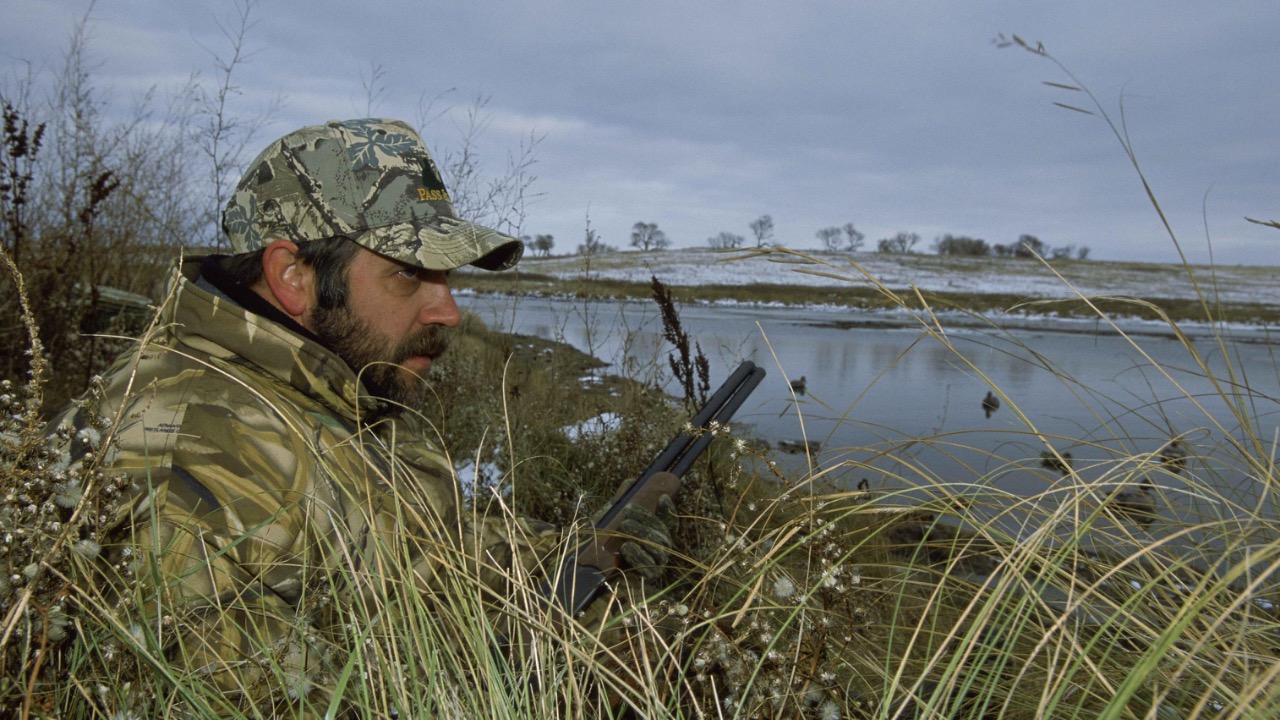
Technical outerwear is often the first piece a serious hunter will defend, and sometimes the first one that lets them down. High end shells like the lightweight rain pieces built for mountain hunts promise breathable waterproofing, quiet fabrics, and articulated cuts that move with a pack and rifle. A jacket such as the Chugach TR illustrates how far this category has pushed, with fully taped seams, adjustable hoods, and camo patterns tuned for open country.
That kind of design can feel indispensable on a ridge in sleet, especially when paired with a layering system that dries fast and vents heat on the climb. Many hunters describe that first real upgrade from surplus or cotton as a revelation, a sense that they can finally stay in the game instead of bailing when the weather turns. The shell becomes a security blanket, the piece that justifies long approaches and aggressive plans.
Yet the same jacket can feel like a mistake when it wets out under a pack, delaminates after a few seasons, or proves louder than expected in close brush. The more a hunter leans on a single garment to solve every problem, the more glaring its flaws become. When a zipper fails in a storm or a cuff seam peels mid trip, the emotional swing from confidence to resentment is steep, precisely because the investment was so high.
Online debates reflect this split personality. Some argue that a $600 technical jacket will absolutely perform for a hunter hiking 15 miles at 11,000 feet in a driving rainstorm, while others see the same price tag as a symbol of marketing excess that has little to do with their tree stand or farm country reality. The same shell that feels like cheap insurance in alpine country can feel like an overbuilt luxury in a ground blind.
The rise of smart optics and fragile expectations
Optics used to be simple: a glass scope, a fixed power binocular, maybe a separate rangefinder. Now digital features are moving into the core of hunting kits. One major trend for 2026 is the spread of Smart Optics and, where the line between traditional glass and electronics is effectively gone.
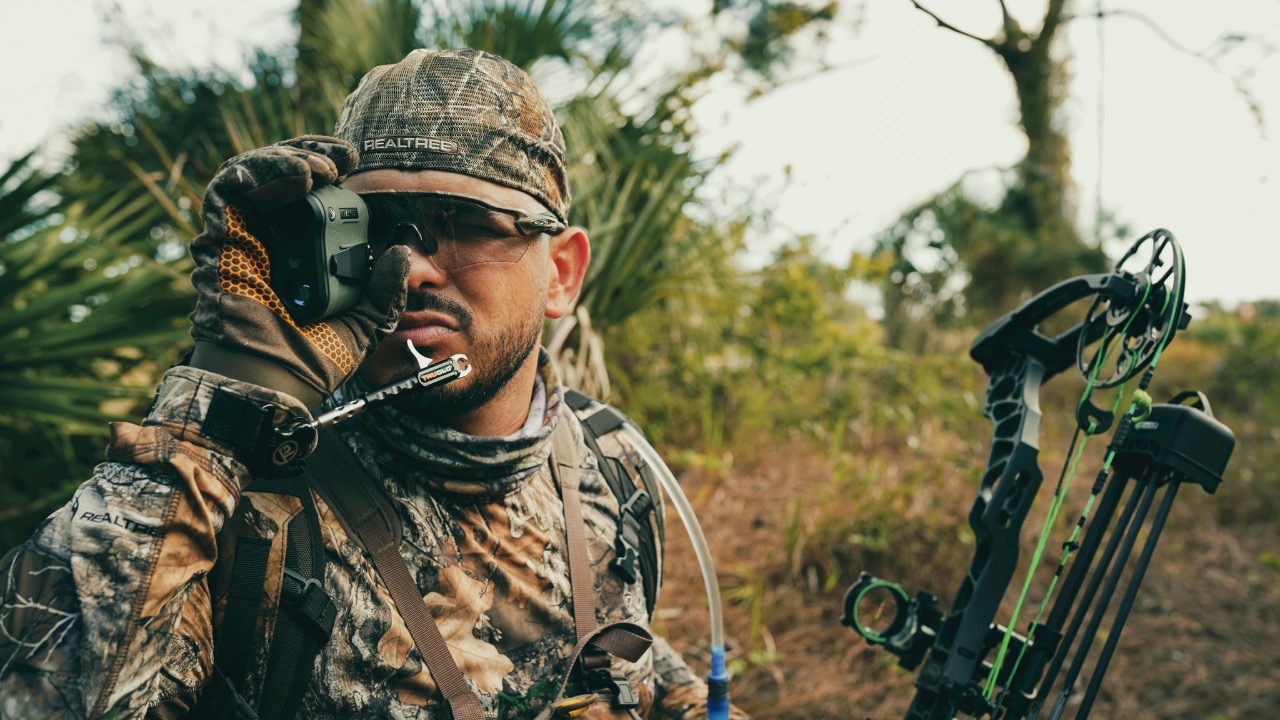
These systems combine laser rangefinding, ballistic calculators, and sometimes Bluetooth links to mobile apps inside binoculars or scopes. In theory they cut down on guesswork, speed up shot decisions, and allow hunters to carry one device instead of three. For a shooter managing steep angles or long cross canyon shots, the appeal is obvious. The gear promises not just clarity but an information advantage.
However, the more technology is packed into optics, the more points of failure appear. Batteries die in the cold, firmware glitches can disrupt a hunt, and complex menus can slow down a shot instead of speeding it up. A hunter who has relied on a smart scope all season might suddenly face a dead display at first light on a critical morning. In that moment, the tool that once felt like a superpower becomes a liability.
There is also a cultural tension around these devices. Some see integrated rangefinders as a natural evolution, no different in spirit from the first variable scopes. Others worry that reliance on electronics erodes basic field skills. When a hunter misses because they trusted a miscalibrated ballistic profile instead of reading the wind, the disappointment cuts deeper than a simple misjudged holdover.
Boots, wax, and the slow grind of maintenance
Unlike high tech optics, boots fail slowly. Seams creep apart, midsoles compress, and waterproof membranes lose their edge. Experienced hunters know that the line between a trusted boot and a ruined trip often comes down to mundane maintenance rather than flashy features. Advice from seasoned voices emphasizes that protecting expensive gear is as much about what happens in the garage as on the mountain.
One detailed set of care tips highlights how routine cleaning, drying, and storage can extend the life of boots, packs, and clothing. Simple steps such as removing insoles, avoiding direct heat, and brushing off mud before it hardens can prevent materials from breaking down prematurely. The same source explains that reapplying waterproofing treatments on a schedule, not just when leaks appear, keeps fabrics performing closer to their original spec.
Boot care in particular becomes a dividing line between those who feel their gear pays off and those who feel burned. Another section of guidance from the same expert stresses that to keep boots from falling apart or even to just keep them dry longer, waxing and sealing is a must. The author describes how they wax both boots carefully to keep them from tearing.
For hunters who follow that kind of regimen, leather and stitching can last through multiple seasons of abuse. For those who skip it, even premium boots may crack, leak, or blow out at the worst time. The same pair that once felt like a revelation on steep, loose ground can feel like a scam when soles separate in the second year. In many cases, the difference is not the brand but the unglamorous work that keeps materials from drying and failing.
Overrated gear and the psychology of regret
Every hunting circle has a list of purchases that did not live up to the hype. Sometimes the problem is outright failure, but often the gear works as designed and still feels overrated. A widely discussed video on overrated deer hunting walks through items that seemed essential at the time of purchase but ended up collecting dust. One segment focuses on a piece of bow hunting gear that the host had initially championed, only to conclude later that it added complexity without improving success.
The same creator expands on this theme in a related clip, again breaking down the top five most overrated deer hunting gear items and emphasizing how personal shooting style and terrain affect whether a gadget truly adds value. A stabilizer, quiver system, or release that feels transformative for one archer might feel like clutter for another. The disappointment is rarely about raw performance and more about misalignment between marketing promises and actual use cases.
Similar critiques appear in discussions of elk gear, where another video on most overrated Backcountry singles out shooting sticks for backcountry rifle hunts. The host argues that hunters rarely have them readily available when a fast opportunity appears, which turns the sticks into extra weight rather than a real asset. The gear itself works, but the reality of how encounters unfold makes it less useful than expected.
These conversations show how regret often comes from buying for an imagined scenario rather than the hunts that actually happen. A whitetail hunter in thick timber who invests in long range bipods and turret scopes may later realize that nearly every shot occurs inside 150 yards from a fixed stand. The equipment is capable, but the context does not justify it, and the buyer feels misled even if the product is sound.
Brand saturation and the problem of choice
Technical clothing has exploded into a maze of categories, sub lines, and micro features. A discussion among experienced hunters about the problem with hunting clothing brands points to what one participant calls a Core line that has been buried under a flood of niche products. They argue that the problem with most of these companies is saturation, with too many minor variations that confuse buyers more than they help.
In that same conversation, the critic suggests that companies should focus on a tight set of essentials and that they should not be marketing boxer briefs as if they were mission critical gear. The frustration comes from the sense that every piece of clothing, from socks to base layers, is being pitched as a performance breakthrough. Hunters who buy into this message can end up with drawers full of specialized items that feel redundant once the novelty wears off.
Manufacturing trends add another layer. A detailed ranking of deer hunting clothing producers highlights Taian BOWINS Garment as the Best OEM and ODM Manufacturer for Deer Hunting Gear. That kind of large scale production supports a global ecosystem of brands, many of which source from the same factories. To the consumer, labels and marketing language may differ, but underlying materials and cuts often share common origins.
The result is a crowded market where incremental differences in fabric blends, pocket layouts, or camo patterns are framed as decisive advantages. When a hunter pays a premium for a jacket that looks and feels similar to several cheaper options, and then experiences a failure or underwhelming performance, the sense of being misled is amplified by the sheer number of alternatives that might have done the job.
High end status, real performance, and online backlash
Debates about expensive gear are rarely just about fabric or stitching. They touch on identity, access, and what it means to be a serious hunter. A conversation on a popular hunting forum captures this tension clearly. One commenter defends premium outerwear with the claim that a $600 technical jacket will absolutely perform when a hunter is hiking 15 miles to hunt at 11,000 feet in a driving rainstorm, then challenges critics by asking, Are you actually doing that kind of hunt or just resentful of the price tag.
Others push back, arguing that similar performance can be achieved with cheaper layers, or that skill and scouting matter more than clothing. The divide often falls along lines of terrain and time. Western hunters who backpack into remote basins, cross scree fields, and sit in sleet for days at a time tend to see value in high end shells and merino. Many whitetail hunters who drive to a farm and sit in a box blind see the same purchases as overkill.
Podcasts and long form discussions add more nuance. In one conversation about the myth of hunting gear, a guest recalls growing up in military fatigues and only starting to buy Sitka around ten years ago when looking for something nicer. The speaker explains that Sitka delivered clear improvements in fit and weather protection, but also acknowledges that a hunter can still fill tags in surplus clothing if they understand wind and animal behavior.
These stories show how the same jacket or pack can symbolize dedication for one hunter and consumerism for another. When gear fails, the backlash is often sharper for premium brands precisely because buyers expected not just function but validation of their identity as serious hunters.
Data driven hype and the Shopping Graph effect
Behind the scenes of these debates sits a powerful engine of product information. Large tech platforms aggregate details from brands, retailers, and content creators into what one company describes as a Shopping Graph. This Product data system collects specifications, prices, reviews, and availability for hunting gear along with countless other categories.
For hunters, this means that search results for a rain jacket or rangefinder are shaped not only by brand advertising but by a web of user reviews, influencer content, and retailer feeds. A single viral video praising a new camo pattern, a wave of five star ratings, or a popular gear list can rapidly push certain items to the top of recommendation feeds. The same system can also magnify negative experiences, as photos of failed seams or broken buckles circulate.
Data driven merchandising can help buyers compare options more efficiently, but it also intensifies hype cycles. When a new jacket or boot launches with strong early buzz, the Shopping Graph style infrastructure ensures that it appears in front of thousands of potential buyers quickly. If the product later shows durability issues, the backlash spreads just as fast. Hunters find themselves navigating a feedback loop where the gear they swear by today may be the gear others warn against next season.
Social proof, podcasts, and the Sitka effect
Beyond search algorithms, social media and podcasts have become central to how hunters form opinions about gear. Brand pages like KUIUultralight on Facebook and the KUIU account on X showcase success photos, feature breakdowns, and user testimonials. These channels create a steady stream of social proof that reinforces the idea that certain jackets, packs, or rain shells are part of a serious kit.
Influential organizations also shape trends. The Houston Safari Club Foundation shares updates on platforms such as Facebook, Twitter, and LinkedIn, and promotes events where hunters can See the Hottest Hunting Gear Trends in Person. Social sharing tools, including links that let users share those trends on Facebook or tweet them, amplify the visibility of featured brands.
Podcasts extend that influence. The Outdoor Life team, which also maintains a presence on Facebook and X, uses the Outdoor Life podcast to discuss gear picks such as the Best Overall Kuiu Guide DCS Jacket in their list of The Best Hunting Jackets of 2026, Chosen by the Editors. When editors who have tested multiple shells in varied conditions single out one model, that endorsement carries weight with listeners who may never touch the jacket before ordering it online.
At the same time, critical voices use the same channels to question whether high end brands justify their prices. The MOE Podcast episode that revisits the Sitka story, for example, balances praise for improved performance with skepticism about how far marketing has pushed expectations. Listeners hear real experiences of garments that worked well for a decade alongside anecdotes of pieces that failed faster than expected.

Leo’s been tracking game and tuning gear since he could stand upright. He’s sharp, driven, and knows how to keep things running when conditions turn.