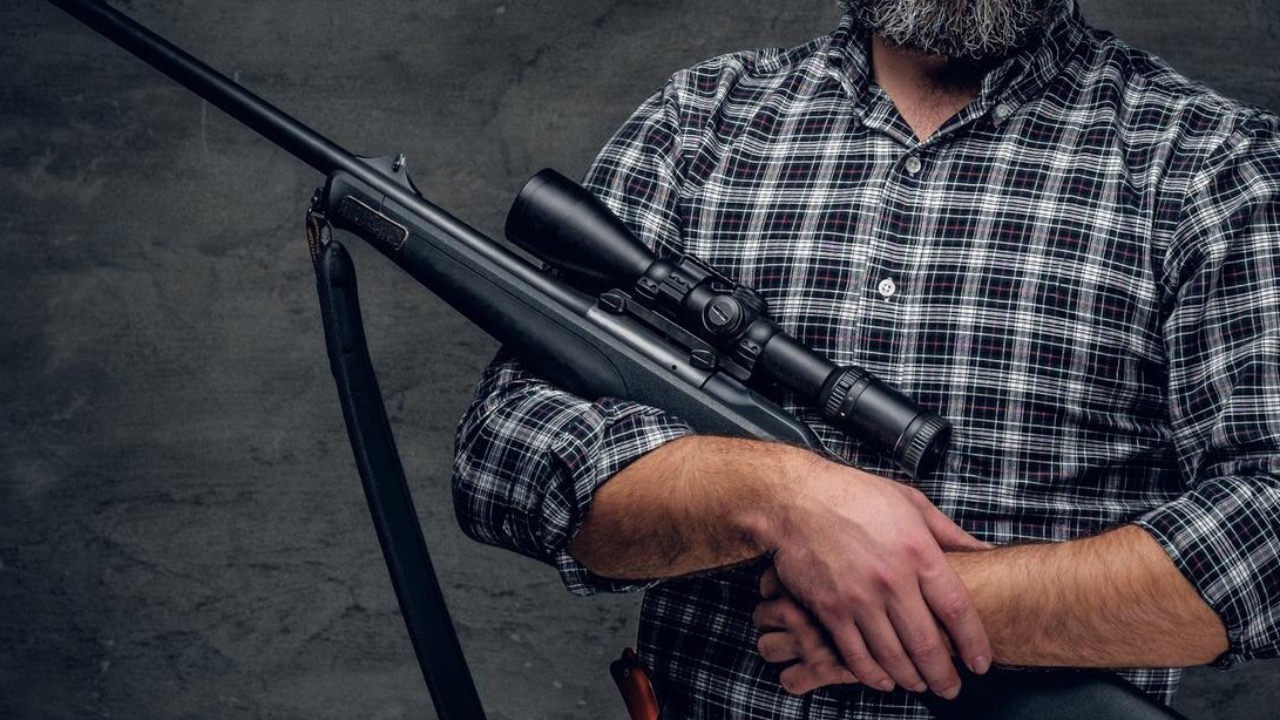
The hunting mistake that causes more conflict than anything else
Across the American hunting world, one misstep fuels more resentment than missed shots or crowded trailheads. The fastest way to sour a season is not a blown stalk or an empty freezer, but a bad decision at the property line. Whether the ground is private or public, crossing a boundary without clear permission or regard for others sits at the heart of the most bitter conflicts between hunters, landowners and even fellow sportsmen.
From Midwestern patchworks of farms and woodlots to Western checkerboards of public and private sections, pressure on access is rising. As that pressure grows, so does the cost of a single boundary mistake, measured not only in tickets and lawsuits but in broken trust, damaged wildlife habitat and a shrinking social license for hunting itself.
The quiet flashpoint: access without permission
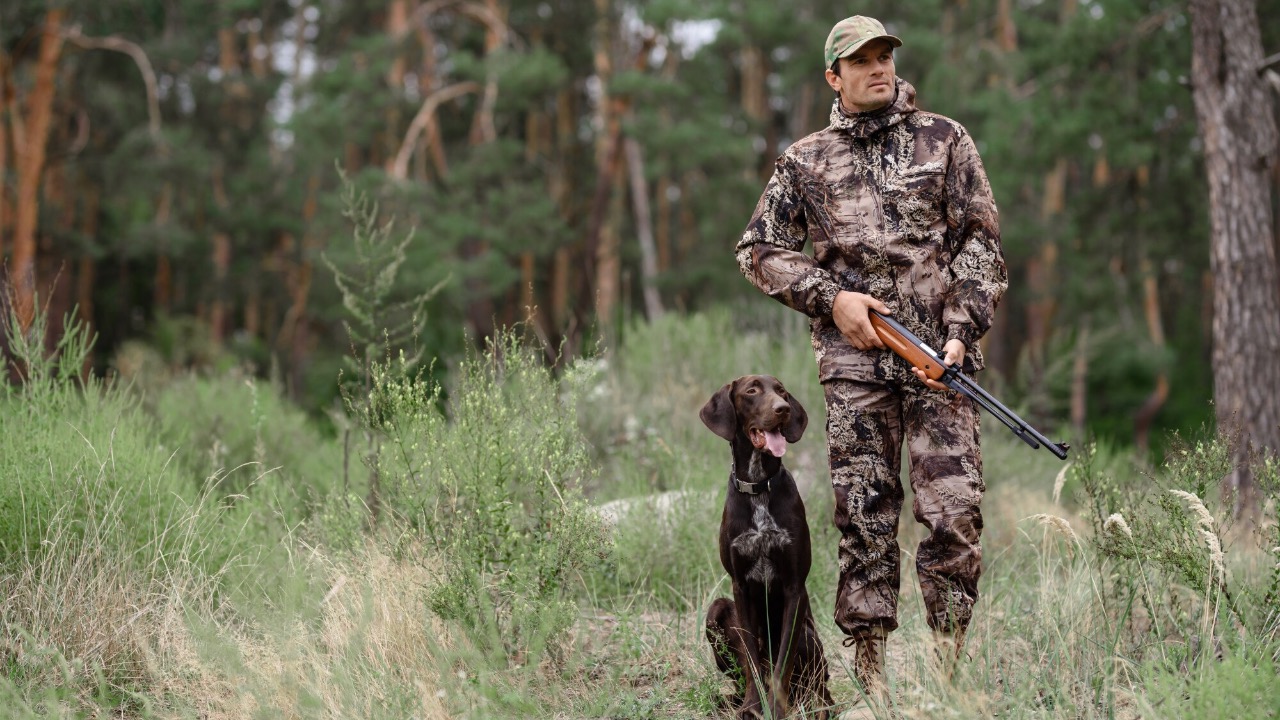
Ask rural landowners what bothers them most about hunting season and one complaint comes up again and again. In hunter education materials that compile Landowner Complaints About, property owners list the same grievances in plain language. Landowners often complain that hunters do not get permission to hunt, do not tell the landowner when they will be there, bring extra people who were not invited, leave gates open and drive where they should not. Each of those issues traces back to a single decision to step onto someone else’s ground without a clear agreement.
That decision might feel small in the moment. A hunter sees a deer cross a fence, or a bird dog follows a rooster into the next field, and the chase continues. Yet for the person who pays the taxes on that ground, the pattern can feel like a steady erosion of control. Advocacy groups that work with both sides describe how unresolved access disputes can harden into long term hostility that harms wildlife as well as people. In one analysis of how wildlife loses unless between landowners and hunters is addressed, the author argues that fear of hard conversations about property rights and access has pushed both sides toward courts and legislation instead of cooperation.
Once lawyers and judges become the main referees, the relationship between neighbor and guest can collapse. That shift shows up in high profile lawsuits, but it starts with small acts of trespass that convince landowners they are no longer partners in conservation, only gatekeepers under siege.
When tradition meets the fence line
Some of the strongest emotions surface where long standing hunting customs collide with changing expectations about property rights. In one dispute over dog hunting in the South, a group of landowners filed suit against state officials because hounds regularly crossed onto their land during organized chases. One participant in that conflict recalled, in a detailed report on dogs and property, that “I remember the days when we hunted large tracts of land with dogs and sometimes they veered onto private land, it was inevitable.” For that hunter, the practice was part of a cherished heritage. For the landowners, it was an unacceptable invasion that damaged crops and disrupted livestock.
The legal battle in that case turned on whether state rules that favored the dog hunting tradition violated constitutional protections for private property. Supporters of the lawsuit argued that the state must protect rights first, even if that meant restricting a historic style of hunting. Defenders of the old system warned that shutting down dog drives would erase a cultural touchstone for rural communities.
Both sides framed their argument around respect, yet the original spark was simple. Hunters allowed their animals to cross a boundary without secured permission, and the landowners felt that their clear wishes were ignored. The legal questions may be complex, but the social mistake sits at the same point on the map.
The checkerboard problem and corner crossing
In the West, the most contentious version of the boundary mistake plays out not along a simple fence but at the corners of a checkerboard. In states such as Wyoming, vast areas were platted so that public and private sections meet only at a point. Hunters who want to reach public land that touches their section only at the corner face a dilemma. If they “corner cross” from one public square to another, they avoid setting foot on private ground, but they still pass through the private airspace above it.
One Wyoming case involving a group of hunters who used a ladder to step from public parcel to public parcel has become a test of how far property rights extend vertically. Reporting on the corner crossing case describes how ranch interests and sportsmen see the same act in opposite ways. Landowners argue that even a momentary crossing of the airspace above their land is trespass. Hunters counter that blocking them from untouched public parcels effectively privatizes land that taxpayers own.
The dispute has drawn national attention in part because it highlights how access conflicts are no longer confined to a posted sign on a gate. Digital mapping tools, such as the corner crossing report compiled by onX, quantify just how many acres of public land are effectively landlocked behind private holdings. As those figures reach the public, frustration among hunters grows, and some feel justified in pushing the limits of what counts as trespass.
Yet the core mistake remains the same. When someone acts on their own interpretation of a legal gray area instead of seeking clarity from landowners, agencies or courts, they risk turning a policy debate into a personal feud. Once that happens, even a favorable ruling cannot repair the damage to local relationships.
Public land, private tempers
Boundary mistakes are not limited to private property. On public land, the line that sparks conflict is often invisible and social. It separates respectful sharing from competitive crowding. In many states, the most accessible public parcels sit in a patchwork with private fields and towns. One account of handling disputes in Wisconsin describes how, while the northernmost reaches of that state contain large tracts of public land, the rest is a patchwork of corn, pasture and small woodlots where access is scattered and competition intense. In that setting, handling conflict between is “easier said than done.”
One of the most common flashpoints is the fight over a favored spot. Educational content on Public Land Hunting lists “Competing Over Hunting Spots” as one of the BIGGEST errors that public land hunters make. When someone hikes in before dawn only to find another truck at the trailhead, the temptation is to push deeper, crowd the other party or try to outmaneuver them. That behavior might be legal, but it violates an unwritten code and can quickly escalate into shouting, blocked access or even calls to law enforcement.
Forums where hunters discuss harassment complaints show how quickly these tensions can spiral. In one thread, a user with the handle Coyotefurharvester described how Poorly marked property and people willing to hunt the “line” create constant suspicion. When someone hugs a fence on public land to pressure game onto private, the landowner may respond by watching with binoculars, recording video and “hoping for some evidence” of a violation. The legal boundary may be clear, yet the social boundary is already breached.
As more hunters rely on apps such as onX or HuntStand, they may feel empowered to push right up to those lines. The technology helps avoid accidental trespass, but it can also encourage behavior that, while technically allowed, erodes the sense of courtesy that keeps public land conflicts from boiling over.
How small violations turn into big consequences
Game wardens and hunter education instructors see the pattern long before it lands in court. Lists of common violations, such as one guide to the top 10 hunting, highlight issues like Failure to Properly Tag or Attach a Tag to harvested animals, shooting from a roadway and ignoring posted boundaries. Each infraction might carry a modest fine, but repeat offenses and confrontations with landowners can quickly add up to license suspensions or criminal charges.
Local news accounts show how disputes over access can spill into other policy fights. In Maryland, for example, a judge granted a motion preventing certain landowners from hunting on their own property during a heated fight over a power transmission line. Coverage of that order, captured in a video on Maryland land owners, described it as the latest chapter in a broader clash between residents and developers. Hunting rights became one more lever in a larger battle over land use.
Even when no laws are broken, a perceived slight can harden into a long term closure. Letters from ranchers in Wyoming, shared through outlets that carry Wildlife Loses Unless, describe how a single bad encounter with a hunter can convince a family to lock out all access. One rancher recounted how an elk, wounded on private land after a hunter shot from a neighboring property without permission, took hours to die because the rancher refused to grant trespass. That standoff, detailed in a separate report on how an elk took hours, left scars on both sides and became a cautionary tale across the region.
In each case, the immediate issue was a boundary that someone crossed or tried to exploit. The repercussions reached far beyond that fence, affecting access for other hunters, straining local politics and, in the Wyoming elk incident, causing real suffering for an animal that might have been recovered quickly with a prior agreement.
What respectful access actually looks like
Solving these conflicts does not require new technology or elaborate legal theories so much as a return to basic etiquette. Hunter education programs spell out simple steps under headings such as Respect Landowners. They advise people to Make contact well ahead of the hunting season, Wear street clothes instead of full camouflage when knocking on a door and Don not bring a crowd of companions to the first meeting. A quiet conversation in August often does more for access than any argument in November.
Ethics guides also stress that permission is not a one time transaction. Materials on Hunting Etiquette and Private Land Etiquette remind hunters that Encounters with other hunters are uncommon on private land, but etiquette still applies. Guests are expected to follow all conditions that the landowner sets, from where to park to which gates must stay closed, and to leave the property better than they found it.
On public land, respect takes a different form. Groups such as The Hunting Public, whose work is shared through platforms like The Hunting Public and social communities including Deer IQ, emphasize strategies that avoid direct competition. Their advice often echoes the Public Land Hunting Mistakes list: if someone is already in a spot, move on, do not crowd them, and use scouting to find overlooked areas.

Leo’s been tracking game and tuning gear since he could stand upright. He’s sharp, driven, and knows how to keep things running when conditions turn.