Suppressor deregulation debate continues despite tax stamp changes
The federal government has effectively dropped the $200 tax stamp on suppressors, yet the political and legal fight over how tightly they should be regulated is intensifying rather than fading. Advocates frame the 2026 changes as a long overdue correction for law-abiding gun owners, while opponents warn that easier access to quieter firearms raises enforcement and public safety concerns. The result is a new phase of the suppressor debate, where tax relief has arrived but full deregulation remains contested.
From niche accessory to mainstream flashpoint

Suppressors were once a niche product, but they have become a central point of contention in modern firearms policy. The first commercially successful suppressor was marketed more than a century ago and has been regulated under the National Firearms Act since the 1930s, which long required a $200 tax stamp and a lengthy approval process for each device. Advocates argue that the original tax was designed to be prohibitive in an era when $200 represented the cost of a car, and they see the 2026 changes as a long delayed correction rather than a giveaway.
As of February 2026, suppressors remain regulated as NFA items at the federal level, a status confirmed in a detailed Febanalysis that stresses their continued classification despite the tax shift. That same overview explains that recent legislation adjusted the financial side of the process but did not remove the underlying registration and approval requirements. Supporters of deregulation interpret this as both a victory and a half measure, since ownership is still tracked and controlled through federal paperwork.
Today, suppressors are legal in most states and are overwhelmingly owned by law-abiding citizens who pass background checks and follow the law, a point highlighted in a separate Today segment of the same reporting. That statistic is central to the political argument of industry groups and gun rights advocates, who say the devices are already tightly controlled and rarely misused. Opponents counter that the very features that make suppressors attractive for hearing protection also make them attractive for criminals, even if current misuse numbers remain low.
The 2026 tax stamp shift and what changed
The most visible change for owners arrived at the start of 2026, when the long standing suppressor tax stamp was effectively reduced to zero. Industry guidance describes this as a watershed moment that removed the $200 payment while leaving the rest of the National Firearms Act framework in place. One detailed compliance advisory titled NFA Tax Stamp describes the change as a “$0 Tax Reality” and notes that President Trump signed legislation that eliminated the payment requirement while leaving legal challenges and compliance questions unresolved.
Retail focused explainers walk new buyers through what the suppressor tax stamp removal means in practice. One guide framed as What the Suppressor stresses that the change took effect starting Jan 1, 2026 and that buyers no longer need to budget for the $200 payment. Instead, the focus has shifted to understanding the remaining paperwork, such as ATF Form 4 submissions and trust or individual registrations, which still govern how suppressors are acquired and transferred.
Federal policy explainers on Federal Changes emphasize that as of January 1, 2026, suppressors are still treated as firearms accessories that require federal approval, even though the financial barrier has been removed. That distinction underpins much of the current debate. Gun rights advocates celebrate the end of what they call a punitive tax, while gun control advocates argue that the remaining NFA structure is the only thing preventing suppressors from being sold over the counter like standard firearm parts.
Congressional fights and the SHUSH Act
Even before the tax stamp was eliminated, lawmakers had been pushing to move suppressors entirely out of the National Firearms Act. One high profile proposal is H.R.850, formally listed as the Silencers Help Us Save Hearing Act or the SHUSH Act. Congressional records show that the measure was Shown Here as Introduced in the House, where it seeks to remove silencers from the NFA and instead regulate them under the Gun Control Act of 1968.
The SHUSH Act would treat suppressors more like standard firearms, subject to background checks but not to the additional registration, taxation, and transfer rules that currently apply. Supporters frame this as a hearing protection measure and a way to align federal law with what they describe as the devices’ real world risk profile. Opponents argue that moving suppressors out of the NFA would make them significantly easier to acquire in bulk, which they say could complicate investigations and increase the potential for untraceable use in crimes.
Beyond standalone bills, suppressor provisions have also appeared in larger legislative vehicles. A social media post by Rep. Ben Cline describes how a provision in H.R.1 eliminated the outdated suppressor tax stamp from the NFA law, stating that the suppressor tax stamp has been removed and that there is no more $200 tax stamp to purchase a suppressor. In that same post, titled Suppressor, he acknowledges that there have been many interpretations of what the change means for people who simply want to own a gun for protection, which reflects the ongoing confusion at the consumer level.
Federal rules, ATF processing, and the role of eForms
Even with the tax stamp cost gone, the Bureau of Alcohol, Tobacco, Firearms and Explosives remains central to suppressor regulation. The agency’s general rules and regulations still list suppressors as items that require approval, and the ATF Form 4 process continues to govern transfers between dealers and individuals. Industry guidance explains that applicants must submit fingerprints, photographs, and identifying information, whether filing as individuals, corporations, or trusts.
Processing times have improved significantly in recent years, aided by the expansion of electronic filing. A detailed breakdown of ATF eForm procedures notes that the era of month long waits is giving way to much faster approvals, especially for digital submissions. Another overview on Understanding ATF Form reports that, according to the ATF’s current processing data, an electronically filed individual or trust application averages 11 days, a dramatic reduction compared with historical timelines.
Buyers still ask how long ATF approval takes, and a 2026 focused guide on Suppressor Wait Times frames that question as one of the most common in the suppressor world. That analysis explains that once approval speed improves, demand tends to rise, which can in turn slow processing again, creating a feedback loop. The agency’s own current processing times page reinforces that suppressor approvals are still tracked as a distinct category, underscoring that the devices remain under special scrutiny despite the tax change.
State level pushes: Mississippi and South Dakota
While federal rules remain restrictive, several states are moving to ease their own suppressor regulations or clarify how state law interacts with federal requirements. A detailed report on Suppressor Deregulation Efforts highlights Mississippi Suppressor Deregulation as one of the most recent examples. In that account, the next state to take up clarification was Mississippi, where lawmakers focused on protecting law abiding gun and suppressor owners from conflicting interpretations of state and federal rules.
Industry representative Brandon Maddox submitted testimony in that process, beginning with the statement, “Thank you for the opportunity to provide testimony in strong support of Mississippi Senate Bill 2316,” according to a detailed Thankaccount of his remarks. In that testimony, Maddox expressed support for Mississippi Senate Bill 2316 and argued for clearer protections regarding suppressor ownership and transfer, framing the bill as a safeguard for residents who comply with federal law but face uncertainty at the state level.
South Dakota lawmakers are also moving in a similar direction. A report on Gun policy describes how a gun silencer deregulation measure advanced to the state Senate without opposition. Supporters in that debate argued that “Gun suppressors are not weapons. They are simply hearing protection,” and stressed that a suppressor quiets the report from gunfire rather than turning firearms into silent tools. The bill’s smooth progress suggests that in some conservative states, suppressor deregulation has become relatively uncontroversial.
Industry, litigation, and the push to leave the NFA
The firearms industry has embraced the tax stamp elimination as a major commercial opportunity and a stepping stone toward broader changes. A detailed overview titled Suppressor Tax Eliminated describes the 2026 changes as a watershed moment and notes that the industry witnessed a turning point when President Trump signed legislation that ensured the tax on silencers will vanish entirely. That same guide frames the shift as both a policy victory and a catalyst for new product development, since manufacturers can now market suppressors without the psychological and financial barrier of a $200 surcharge.
Another industry analysis from early 2026, titled 2026 Suppressor Update, describes the year as one of the most significant updates to suppressor regulations in modern U.S. firearms history. It notes that the biggest change in 2026 was the elimination of the tax that had remained unchanged for nearly a century. Yet the same piece also stresses that the NFA classification still applies, which means buyers and dealers must continue navigating background checks, registration, and transfer rules.
Legal challenges are also part of the picture. A video discussion titled Jul features attorneys who explain that they filed a lawsuit on July 4th that targets suppressor regulation and asks courts to reconsider whether silencers should remain in the NFA at all. While the outcome of that case remains unresolved, it reflects a broader strategy in which advocates pursue change through both legislation and litigation, hoping that one or the other will eventually remove suppressors from the NFA category entirely.
Public opinion, partisan lines, and safety arguments
Public opinion on suppressor deregulation tracks closely with broader partisan divides on firearms policy. An analysis from late 2024 on Nov explains that opposition to suppressor deregulation has not centered on disputing the idea that suppressors reduce harmful noise. Instead, the divide is more about trust and risk tolerance, with Republicans often viewing deregulation as a common sense hearing protection measure and Democrats seeing it as a step that could complicate law enforcement and increase the lethality of shootings.
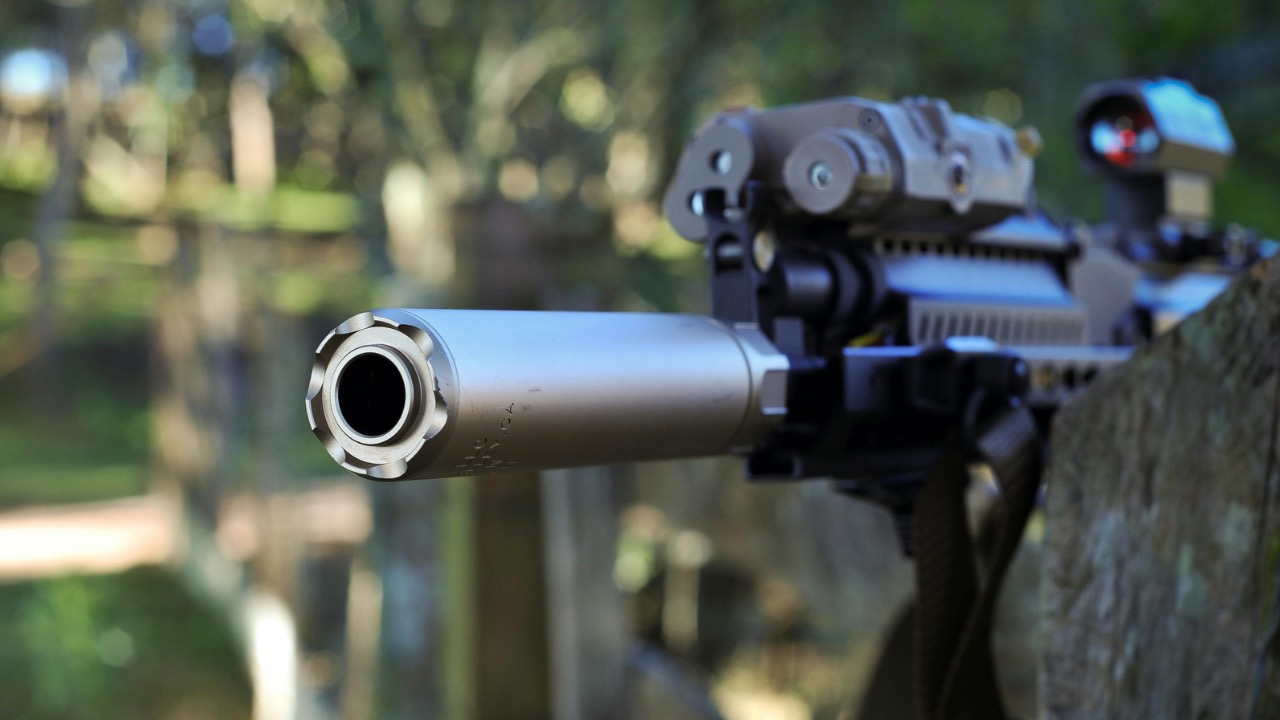
Industry advocates stress that suppressors are far from the silent tools portrayed in movies. A 2026 focused explainer on Suppressors notes that suppressors, in particular, have long been misunderstood and that far from the “silencers” seen on screen, they primarily reduce noise to protect hearing and make shooting more comfortable. Supporters argue that this functionality should be encouraged, especially for hunters, sport shooters, and people who practice at indoor ranges where repeated exposure to loud gunfire can cause permanent hearing loss.
Gun control advocates counter that even if suppressors do not make firearms silent, they still reduce the sound signature in ways that can delay public and police response to shootings. They also raise concerns about how deregulation could affect urban environments, where the sound of gunfire often serves as an early warning for residents and law enforcement. Both sides point to European countries with different regulatory models, but the U.S. debate is shaped by its own legal and cultural context, including the long standing presence of the NFA.

Leo’s been tracking game and tuning gear since he could stand upright. He’s sharp, driven, and knows how to keep things running when conditions turn.