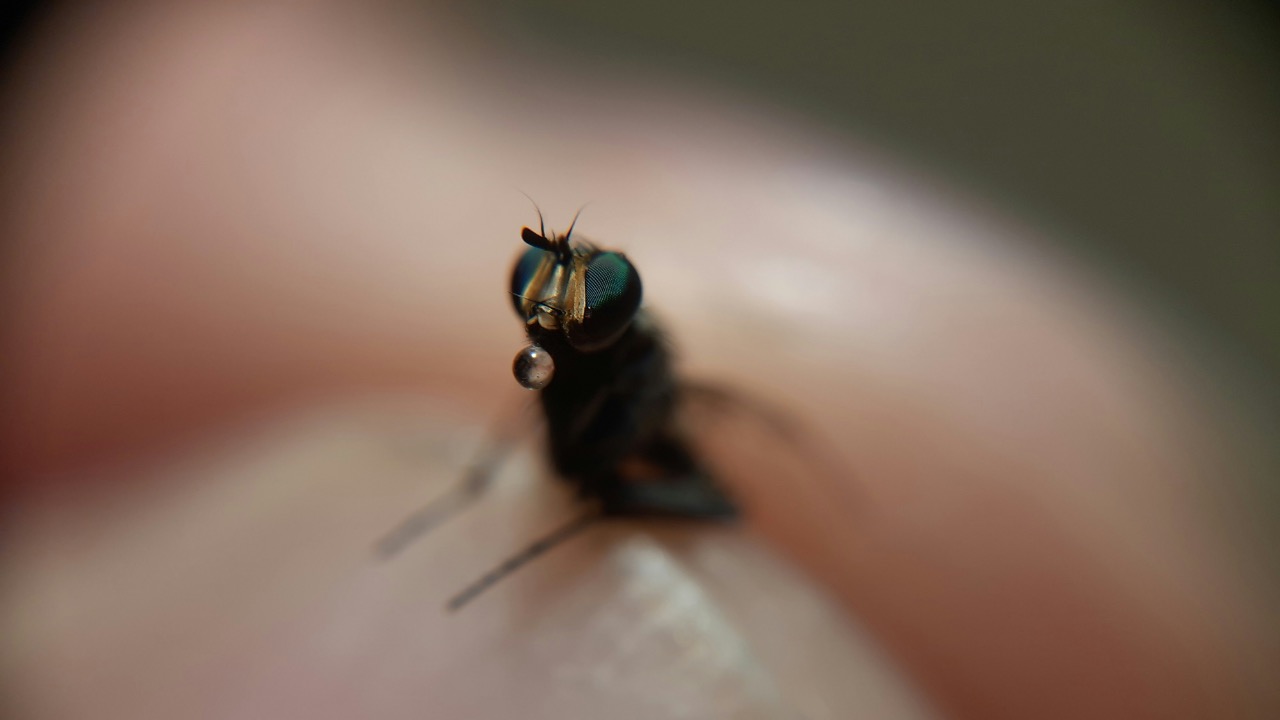
“Eye-biting” black flies surge across the San Gabriel Valley, leaving residents on edge
You expect mosquitoes when the weather warms up. Maybe gnats if you’re near water. But what’s been hitting parts of San Gabriel Valley lately is something different—and it’s catching people off guard.
Residents are dealing with aggressive, day-biting black flies that go straight for the face, especially the eyes. It’s not a new insect, but the spike in numbers and behavior has people paying attention. If you spend any time outside—yard work, hiking, even walking to your truck—you’re part of it. Here’s what’s actually going on and why it feels worse than usual.
These Aren’t Your Typical Annoying Flies
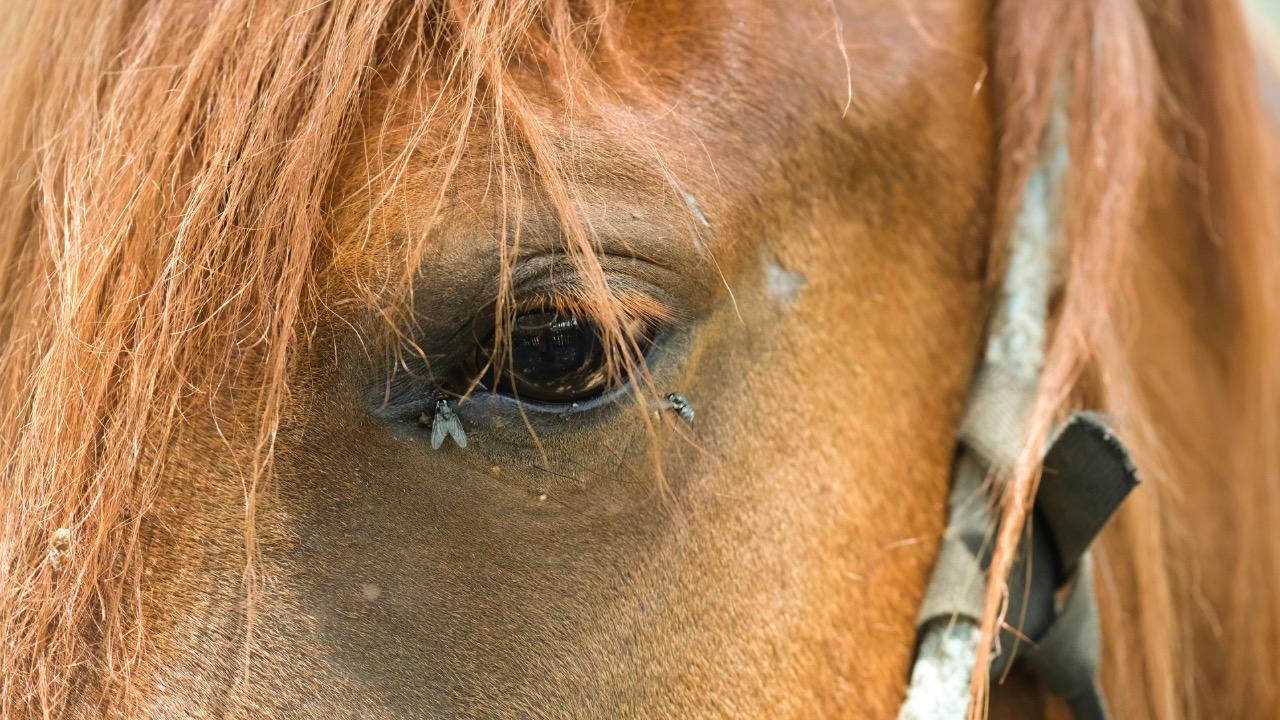
What people are calling “eye-biting” flies are a type of black fly, small, dark, and built for one thing—feeding on blood. Unlike house flies, they don’t hang around trash or food. They’re looking for a host.
They key in on moisture and carbon dioxide, which is why your face becomes the target. Eyes, nose, and ears give them exactly what they need. The bites aren’t always felt right away, but the irritation builds fast. You’re not imagining it—these flies are more aggressive than what most people are used to dealing with around home.
Seasonal Conditions Are Fueling the Surge
Black fly populations rise and fall with conditions, and this year has lined up in their favor. Flowing water is critical for their breeding, especially clean streams and runoff channels.
A wet winter followed by warming temperatures can create ideal habitat. Larvae attach to rocks and vegetation in moving water, then emerge in waves once conditions stabilize. When that happens across multiple drainage systems at once, you see a noticeable jump in adult flies. That’s likely what you’re dealing with now—a natural cycle hitting at full strength.
Flowing Water Sources Are Ground Zero
You’ll find the highest concentrations near creeks, flood channels, and foothill runoff areas. That’s where the life cycle starts, and it doesn’t take much water to support it.
In places like the edges of the San Gabriel Mountains, those systems are everywhere. Even urban channels that carry seasonal flow can produce flies. Once they hatch, they spread out, but the closer you are to those water sources, the worse it gets. If you’re getting swarmed in your yard, there’s a good chance a breeding site isn’t far off.
They Bite Differently Than Mosquitoes
You don’t always feel a black fly bite right away. They slice the skin and feed on pooled blood, which can leave a small wound instead of a clean puncture.
That’s why the irritation can feel stronger later. Swelling, itching, and redness show up after the fact. Around the eyes, it can be especially uncomfortable. For some people, the reaction is mild. For others, it can linger for days. It’s not dangerous in most cases, but it’s enough to make you rethink how long you stay outside.
Peak Activity Hits During the Day
Unlike mosquitoes that ramp up at dusk, black flies are active in daylight. Mid-morning through late afternoon tends to be the worst window.
That catches people off guard. You step outside thinking you’re avoiding bugs, and instead you walk straight into it. Calm, warm days often bring the most activity, especially when you’re near vegetation or water. If you’re working outdoors, you’ll notice it quickly—they don’t give you much time before they start circling your face.
Control Options Are Limited Once They Hatch
By the time you’re seeing adult flies, the hard part is already done—they’ve matured and spread out. Spraying yards has limited effect because the source is usually off your property.
Large-scale control focuses on treating larvae in waterways, but that requires coordination and timing. It’s not something done casually. For individuals, it comes down to avoidance and protection. Light clothing, hats, and even mesh face coverings can make a difference. It’s not ideal, but it’s practical when numbers are high.
The Surge Should Be Temporary
The good news is that black fly outbreaks don’t last forever. Their life cycle moves in waves, and once a generation peaks, numbers tend to drop.
That said, if conditions stay favorable, you might see multiple rounds through the season. It won’t feel constant, but it can come back. Paying attention to weather patterns and water flow gives you a rough idea of what’s coming. Right now, you’re likely in the middle of one of those peaks, which is why it feels so intense.
Outdoor Habits Are Getting Adjusted
When insects start going for your eyes, people change behavior fast. Yard work gets pushed earlier or later. Hikes get cut short. Kids don’t stay outside as long.
It’s a reminder that even small shifts in the environment can change how you use your time outdoors. Most folks will ride it out, but it leaves an impression. You remember seasons like this, especially when something out of the ordinary shows up and makes itself hard to ignore.

Asher was raised in the woods and on the water, and it shows. He’s logged more hours behind a rifle and under a heavy pack than most men twice his age.