Public land disputes that turn serious faster than expected
Arguments over who controls public land in the United States often begin as technical fights over grazing fees, access routes, or obscure statutes. Again and again, those disputes escalate with surprising speed into armed standoffs, sweeping lawsuits, and national political tests. The pattern reveals how questions about fences, roads, and corner crossings are really contests over power, identity, and whose vision of the land counts.
When a grazing bill turns into a standoff
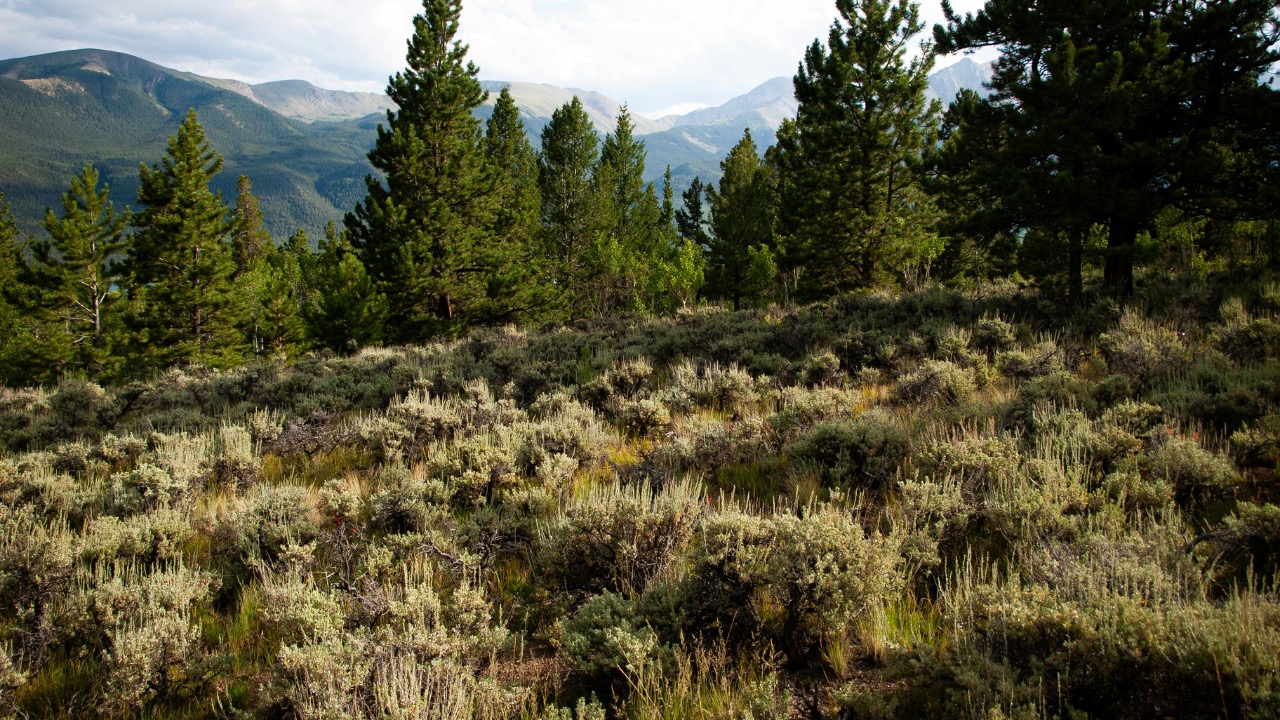
Few episodes show the volatility of public land conflicts as clearly as the confrontation around Cliven Bundy in Nevada. What started as a disagreement over cattle grazing fees and federal authority grew into a showdown that drew armed supporters from across the country and pushed a local feud into the center of national politics.
The conflict built for years as Nevada rancher Cliven Bundy refused to pay for his cattle to graze on federal land and fought efforts by the Bureau of Land Management to remove his herd from public domain pastures. That long-running resistance eventually produced a tense faceoff in Clark County, where federal officials moved to round up trespass cattle under court order and encountered a growing protest movement committed to stopping them. On March 27, 2014, authorities temporarily closed 145,604 acres, described as 589 km, of federal land in Clark County for the capture, impound, and removal of the livestock, a scale that signaled how far a single grazing dispute had spiraled from routine range management into a regional crisis, according to the detailed account of the Bundy standoff.
Legal and historical analyses trace how that confrontation did not emerge from nowhere. Decades earlier, the Sagebrush Rebellion of the 1970s and 1980s had already framed federal land control as a flashpoint in Western politics, with recurring efforts to push Washington to cede ownership to states or private hands. Commentators have linked the Bundy conflict to that lineage of resistance, describing it as one of several armed confrontations that flared up as part of a broader standoff between local activists and the federal government over the Bureau of Land Management and its authority to regulate grazing and other uses on public land. In that sense, the armed supporters who rallied to Bundy were stepping into a story that had been building for generations, not simply reacting to a single roundup.
Legal scholars argue that episodes like the Bundy standoff are not outliers but windows into how public land law operates at the edge of competing claims. One influential analysis of public land disputes concludes that these clashes are central to understanding the balance between private and public rights and interests, and that they illustrate how statutory language, administrative practice, and local expectations can collide in unpredictable ways. The Bundy episode shows how quickly a disagreement over fees and permits can morph into a test of federal authority when long-simmering grievances and ideological narratives are already in place.
Corner crossing and the fight over invisible lines
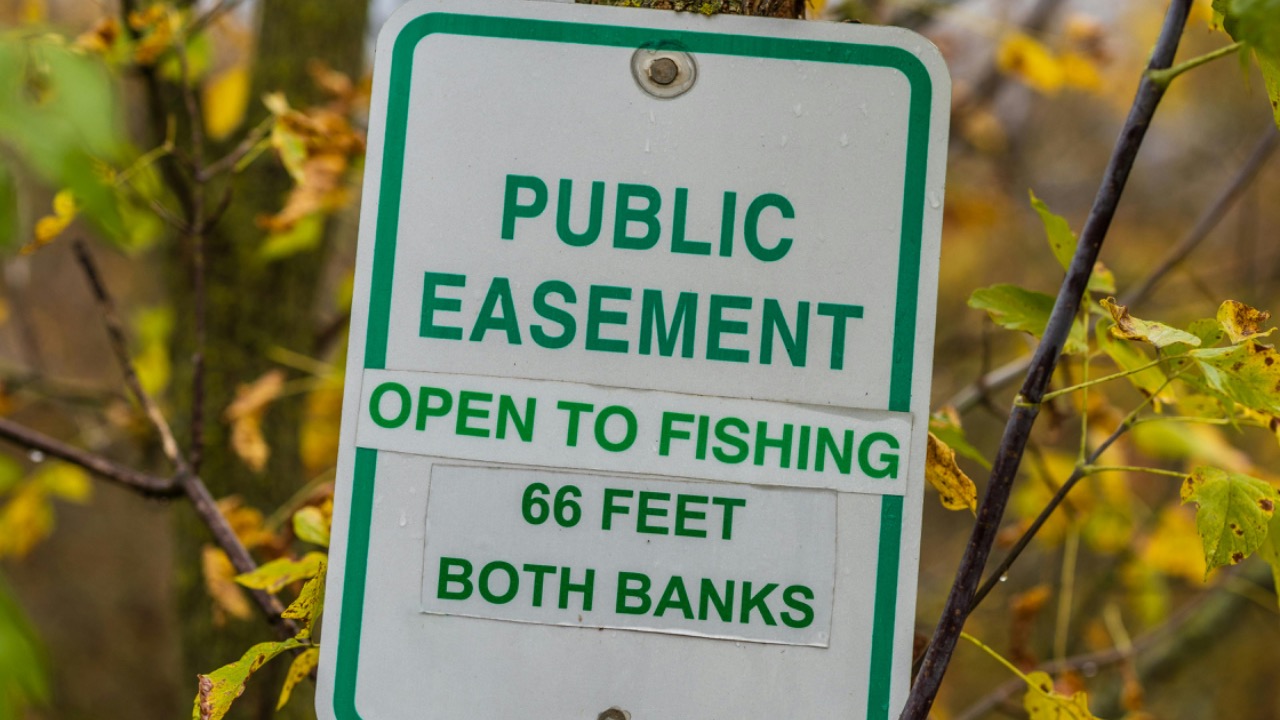
If the Bundy conflict dramatized resistance to federal ownership, the corner crossing battles in Wyoming have exposed a different fault line: how to reach public land that is legally open to all but practically locked behind private property. Here, the dispute is not over who owns the land itself, but over whether the public can use narrow gaps in property boundaries to get there without trespassing.
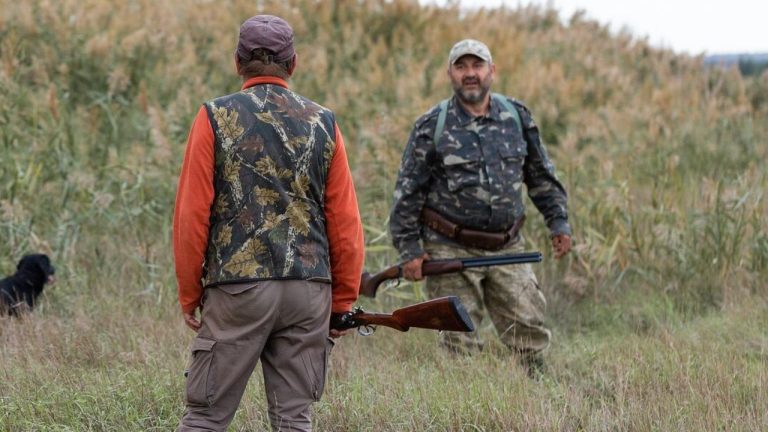
The basic scenario involves checkerboard land patterns where square parcels of public and private land touch only at their corners. Hunters and hikers see those corners as gateways to land that belongs to everyone. Some landowners view any attempt to cross at those points, even without touching private soil, as a violation of their rights. In one widely discussed case, four hunters in Wyoming used a small ladder to climb from one public parcel to another at a shared corner, taking care not to step on the adjacent private ground. The incident triggered criminal charges and civil litigation and became so well known that observers in the region remarked that almost everyone in the public land arena in Wyoming was aware of the case, according to reporting on the four hunters and their ladder.
Public attention grew as details emerged of how aggressively some landowners responded. Accounts from hunting advocates describe how one landowner made repeated calls to police and game wardens, pressing for the hunters to be arrested even though they insisted they had never set foot on private land. A recorded discussion of the incident notes that the landowner made a lot of phone calls to both the police and the game wardens to try to get the hunters arrested off that land, a level of escalation that turned an obscure legal question into a cause that spread through hunting forums and social media, as recounted in a conversation about why hunters are talking about corner crossing on YouTube.
The stakes grew higher as courts weighed in. A Wyoming lawsuit now sits at the center of a broader fight over what advocates describe as more than eight million acres of public land that are effectively trapped by surrounding private property. Commentators explain that the outcome could determine whether these so-called trapped public lands remain off limits in practice or become accessible through legally sanctioned corner crossings, according to a summary that describes how a Wyoming lawsuit could determine the fate of those gridlocked acres. When the Supreme Court declined to take up a landowner appeal in a related corner crossing dispute, some observers declared that a long-running corner crossing war was effectively over, at least for that specific set of facts, after the Supreme Court refused to hear the landowner’s appeal in a case that had drawn national attention, as reported in coverage of the Corner crossing appeal.
Legal academics see the corner crossing cases as emblematic of a larger tension: public land may be owned collectively, but physical access often passes through private gates. A recent paper on public land law argues that disputes like these are central to understanding how law mediates between private exclusion rights and public access claims, especially when the lines on a map do not match the realities on the ground. The speed with which a ladder at a fence line turned into a widely watched lawsuit shows how sensitive that balance has become.
Courts test the limits of access and ownership
Beyond individual conflicts on the ground, federal courts are now wrestling with how far public access rights extend and how much land the federal government can hold. Several recent rulings and lawsuits have raised the stakes for millions of acres and for the communities that depend on them.
In a major access case, the Tenth Circuit issued a decision that affirmed the public’s right to reach millions of acres of public land that had effectively been blocked by surrounding private holdings. Advocates for open access hailed the ruling as a clear statement that public lands should remain in public hands and that everyone should be able to enjoy them, with the court recognizing that these lands are meant for shared use rather than quiet privatization. A summary of the decision stressed that the ruling affirmed the public’s right to access millions of acres of public land and that it highlighted the importance of keeping those lands available for all, as described in an analysis of the Tenth Circuit case.
At the same time, state-level challenges are testing the federal government’s authority to retain vast tracts of land. Utah has been particularly aggressive. Over the summer, the state filed a lawsuit asking the Supreme Court to declare the federal Bureau of Land Management’s ownership of 18.5 m acres of land within Utah unconstitutional, arguing that the Constitution does not allow Washington to hold so much territory that is not designated for enumerated purposes such as national parks or military installations. When the U.S. Supreme Court declined to hear Utah’s attempt to invoke the Court’s original jurisdiction, it left in place the status quo but did not resolve the underlying constitutional argument, which continues to animate political debates in the state. Reporting on the filing notes that Utah framed the case as a defense of its stewardship, heritage, and home and challenged the federal Bureau of Land Management’s claim over those 18.5 m acres, as detailed in coverage of Utah’s public lands challenge that cited the Bureau of Land.
Utah has also been litigating over control of roads that cross federal land. In one case, a federal judge sided with Utah and local governments in a dispute over title to dirt roads, part of a larger fight over claims to 35,000 miles of such routes in the state. The ruling granted Utah and its county partners rights over two of fifteen contested roads, a modest legal win that still carries symbolic power in the broader campaign to assert state authority over access corridors on federal land, according to a decision that described how a judge sided with Utah and its claims to those 35,000 miles.
These legal contests do not occur in a vacuum. Analysts warn that if large blocks of federal land were transferred to states without accompanying funds, the states could face pressure to sell or lease them aggressively in order to cover management costs. One former Interior Department official, John Leshy, put it bluntly in a discussion of a failed sell-off proposal, stating that If the lands are transferred to the states without money, the states lose, and that the financial burden could push them toward privatization that would remove those lands from the public domain, as summarized in a report that quoted Leshy and his experience at the Interior Department.
Tribal nations and the Keystone XL flashpoint
Public land conflicts are not only about access for recreation or grazing. They also involve deep questions about Indigenous sovereignty, treaty rights, and the environmental risks of large infrastructure projects. The long fight over the Keystone XL pipeline shows how quickly a permitting decision on federal and tribal lands can escalate into a far-reaching legal and political struggle.
The Rosebud Sioux Tribe and Fort Belknap Indian Community challenged federal approvals for the Keystone XL project, arguing that the pipeline would threaten their people, water, and treaty protected lands. They maintained that the federal government, under Trump, had failed to honor its obligations to consult and protect tribal resources. In litigation that spanned several years, the tribes pressed their case in federal court and eventually secured the cancellation of the Keystone XL pipeline project, a result that advocates describe as a testament to persistent tribal resistance in the face of powerful energy interests. A detailed case summary explains how The Rosebud Sioux Tribe and Fort Belknap Indian Community successfully stood strong for years to protect their people and water and how the project was ultimately canceled, as outlined in the description of their suit against Trump and the Keystone XL approvals.

Leo’s been tracking game and tuning gear since he could stand upright. He’s sharp, driven, and knows how to keep things running when conditions turn.