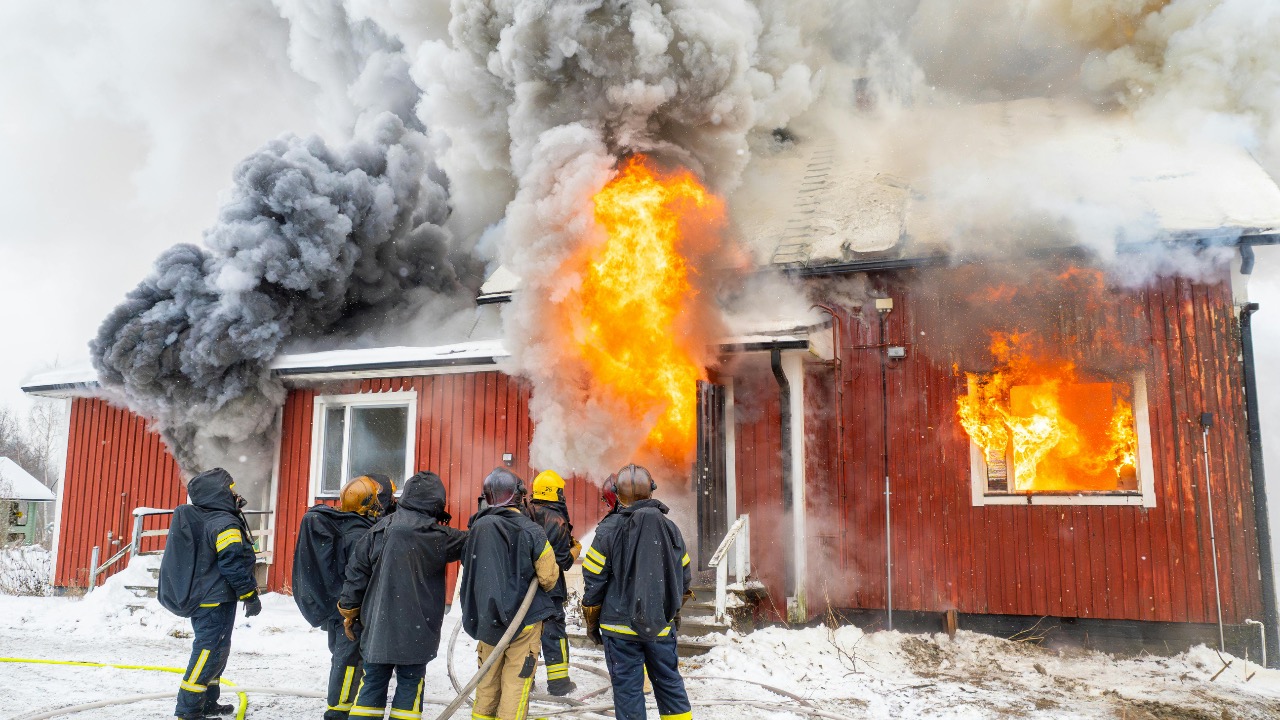
Emergency response stories that show how fast things can change
Every emergency begins as an ordinary moment. A routine commute, a quiet night at home, a normal shift at work can flip into a life‑or‑death struggle in seconds. The stories that follow show how quickly circumstances can shift, but they also reveal how training, tools and mindset can turn that sudden chaos into a chain of life‑saving decisions.
From professional responders to a Minnesota teenager and a traveling couple, these accounts trace the same pattern: a split second of recognition, a choice to act and a web of systems and people that either support or complicate that action. Together they show not only how fast things can change, but how much preparation shapes what happens next.
When technology turns seconds into lifelines
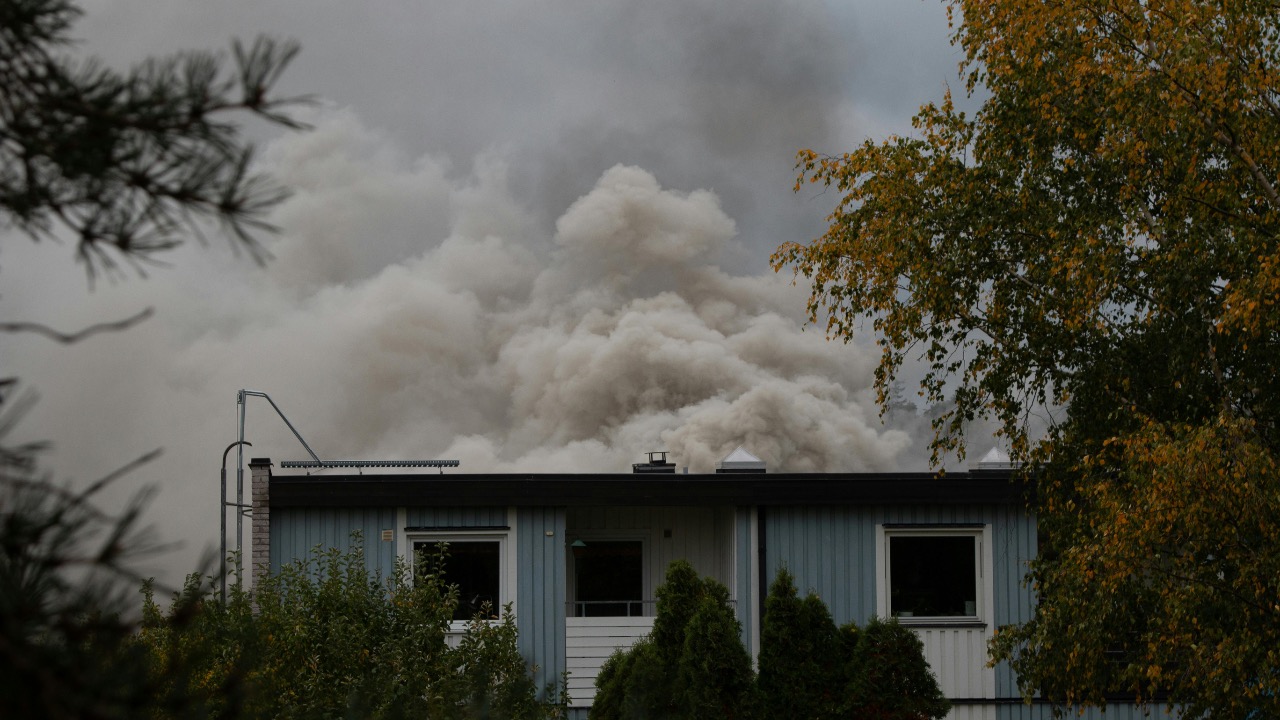
Modern emergency response increasingly depends on systems designed to shave seconds off the first reaction. The concept is simple: emergencies can strike suddenly, and their outcomes can be significantly altered by how quickly someone can trigger help. In schools, factories and office campuses, that job often falls to rapid alert networks that connect people on the ground with police, fire and medical teams.
One example is described in guidance on rapid response systems, which shows how a single pull station or mobile alert can instantly notify building occupants, lock doors and contact dispatchers. The argument is that the first person who notices trouble should not have to fumble for a phone, explain the situation and hope the message reaches the right agency. Instead, a dedicated system compresses that sequence into one motion and a few seconds of automated communication.
Behind that idea sits a wider infrastructure. The same material points toward tools like account setup forms and vendor platforms such as C2Alert, which handle the routing and configuration that most people never see. The technology is not dramatic on its own. The drama appears when a teacher hits an alarm during a violent incident or a plant supervisor triggers a lockdown during a chemical leak, and the system quietly executes a script that has been tested in advance.
Medical science reinforces why those seconds matter. Clinicians talk about the “golden hour,” the period after severe trauma when rapid intervention can dramatically change survival odds. A medical reference on golden hour in explains that early treatment of injuries like internal bleeding, head trauma or major fractures can prevent a slide into irreversible shock. That window is not a guarantee, but it sets a rough clock that every responder feels ticking from the moment an incident begins.
In practice, technology and medicine intersect in dispatch centers, hospital networks and even patient portals. Platforms such as AVH patient tools and hospital guides like Antelope Valley listings are part of a larger ecosystem that steers people toward the right level of care. The faster someone can identify an emergency, trigger a response and reach an appropriate facility, the better the chance that the golden hour is used well rather than lost to confusion.
From quiet drive to chain reaction crash
Not every system works perfectly when stress hits. Over a single week in February, The Monroe Police Department in Michigan documented a series of incidents that showed how quickly a controlled medical transport can turn into a highway hazard. According to a police summary, officers reported that a suicidal subject jumped out of an ambulance while it was moving, which led to a chain reaction of rear‑end collisions on Highway 78.
The description from Monroe Police Department shows how a single desperate act inside an emergency vehicle can ripple outward. The ambulance crew suddenly had to balance patient safety, their own safety and the risk to drivers behind them. Motorists who had been following traffic at normal speed were forced into split second braking decisions that ended with multiple rear‑end crashes.
There is no neat hero arc in that story. Instead, it highlights how emergency professionals operate in a moving environment where patients can be unpredictable and roads are unforgiving. It also illustrates why planning for restraint systems, driver training and escort protocols is not a bureaucratic detail. When something goes wrong inside an ambulance, the consequences can reach far beyond the patient and crew.
One couple, one decision and a chain of life‑saving moments
Against that backdrop of systems and risk, individual choices still matter. A vivid example comes from Daniel and Kaitie Matthews, a married pair of ER nurses whose ordinary day off turned into a test of everything they knew. Reporting from the American Red Cross describes how Daniel and Kaitie were driving when they saw a vehicle crash, then realized that no professional responders had arrived yet.
Instead of assuming someone else would handle it, Daniel and Kaitie stopped, checked the scene and began care. Their training as ER nurses meant they could assess injuries, control bleeding and monitor breathing while someone called 911. According to the account of Daniel and Kaitie, their quick action sparked a chain of life saving moments that continued once firefighters and paramedics arrived.
What stands out is not only their medical skill but their willingness to be first. Many bystanders hesitate, either out of fear of doing something wrong or simple shock. Daniel and Kaitie moved, then used their expertise to guide others at the scene. The chain did not end with them. Dispatchers coordinated the incoming units, rescue crews stabilized the vehicle and hospital teams later took over. The couple’s decision became the first link in a longer response that likely changed the outcome for the crash victims.
The same Red Cross narrative notes that both Daniel and Kaitie were already steeped in a culture of preparedness. That culture is not limited to professionals. Organizations such as the American Red Cross train volunteers, students and community members in CPR, first aid and disaster response, so that the next “first on scene” might be a teacher, a neighbor or a teenager on a bike.
A teenager in Minnesota who refused to freeze
Another story of fast change and faster action centers on a Minnesota teen whose ordinary day suddenly intersected with someone else’s worst moment. A video profile describes how a 17‑year‑old in Minnesota saw a man in medical distress and realized that something was very wrong. Instead of waiting for older adults to step in, the teen began chest compressions and kept going until professional help arrived.
The account of the Minnesota teen, identified as Hoopert, shows a young person whose quick thinking saved a man’s life and who is now in a position to save more. A related clip about Hoopert notes that after the incident he pursued additional training, moving from one successful resuscitation to a broader commitment to emergency care.
That progression from bystander to trained responder reflects a pattern that emergency educators often see. A single intense experience can recalibrate a person’s sense of what is possible and what is required. Commentary on people who stay calm during emergencies at Signs Lines and offers one explanation. It suggests that a nervous system can become “calibrated for catastrophe,” comfortable in high stakes situations yet less able to scale down to minor inconveniences.
Whether or not that description fits every rescuer, the Minnesota case shows that composure is not reserved for older professionals. With basic training and a willingness to act, a teenager can compress the time between collapse and effective CPR, which is often the difference between life and death in cardiac emergencies.
Inside the ambulance when seconds and fire collide
On a different roadside, an EMT named Sanchez faced a choice that most people hope they never see. According to a narrative about an incident on a highway, Sanchez was treating victims of a crash when he noticed that one person was still trapped in a car and the adjacent vehicle had caught fire. He had already moved one patient, but the situation changed again as flames began to spread.
Instead of waiting for additional units, Sanchez went back toward the danger. The account explains that When Sanchezsaw the trapped victim and the burning car, he returned to the ambulance to grab equipment, then worked to free and move the person before the fire could reach them. His decision added risk to his own life but reduced the risk of a catastrophic burn or explosion for the patient.
Stories like this are often told as tales of bravery, and they are. They are also case studies in training under pressure. Sanchez recognized the changing hazards, weighed the time it would take for backup to arrive and decided that immediate action was the lesser risk. That kind of judgment is built through drills, protocols and a culture that expects EMTs to adapt when scenes evolve faster than the arrival of additional resources.
From weekend outing to survival exercise in Nevada
Emergency response is not limited to highways and hospitals. Wilderness trips can turn into survival events in a matter of hours, especially when weather and geography combine against a group. A feature on split second decisions recounts how, in December 2013, James Glanton and his girlfriend, Christina McIntee, took a weekend outing with children into Nevada’s Seven Troughs mountain range. What began as a simple family adventure shifted into a crisis when their vehicle overturned in freezing conditions.
The story of James Glanton and highlights a series of choices that helped keep everyone alive until rescuers could locate them. Stranded in Nevada’s Seven Troughs area, far from quick help, they used the overturned vehicle as shelter, insulated it with available materials and rationed heat from a small fire. Instead of attempting a risky hike out in severe cold, they focused on conserving energy and staying together.
Search and rescue teams eventually found the group, but the time gap between the crash and the rescue made their own decisions the primary factor in survival. Their experience underlines a point that emergency planners repeat: in remote settings, people are often their own first responders for many hours. Preparation, from extra clothing to basic knowledge of hypothermia, can buy the time that professional teams need to reach them.
Everyday emergencies: from chest pain to burst pipes
Not every emergency makes national news, yet for the people involved the stakes feel just as high. Medical organizations draw clear lines around what counts as an emergency condition. Guidance from the American College of Emergency Medicine, summarized by a health insurer, lists symptoms such as difficulty breathing, fainting and chest pain as classic triggers for immediate care.
An overview of examples of medical explains that conditions like sudden difficulty breathing, unexplained fainting and chest discomfort can signal heart attacks, strokes or severe allergic reactions. In those situations, waiting to see if the problem passes can waste the golden hour that trauma specialists and cardiologists treat as precious.
Emergency room clinicians see patterns in these calls. A hospital blog on Top 10 Most notes that cardiac arrest and heart attacks are among the most frequent reasons people arrive at the ER. The description of cardiac emergencies such as heart attacks emphasizes that they demand immediate action, from rapid recognition of chest pain and shortness of breath to swift transport for interventions like clot‑busting drugs or catheter procedures.
Outside the hospital, other crises unfold in slower motion but still require quick decisions. A practical guide to Real World Examples uses a “Short” real story to illustrate how a burst pipe in a home can escalate into structural damage and electrical hazards. The same resource lists five types of emergencies that homeowners should know, ranging from sewage backups to gas leaks. While these events rarely involve ambulances, they still demand fast action to shut off utilities, protect occupants and call specialized help.
Even tools can become part of the response. A sponsored guide from Suffolk County describes how Emergencies can happen in just a split second when a car plunges into water or doors jam after a crash. In those scenarios, a small glass breaker on a keychain or mounted in a vehicle can be the difference between escape and entrapment. The tool only works, however, if someone knows where it is and has practiced how to use it.
How responders train for the worst day
Behind every dramatic rescue is a less visible layer of preparation. Firefighters, paramedics and law enforcement officers spend countless hours rehearsing for incidents that may never happen. A review of lessons from major incidents points to recurring themes: Mayday training for when responders themselves are in trouble, preplanning for high risk sites, mutual aid agreements between agencies and careful scene size ups on arrival.
An analysis of rapid response takeaways notes that mass fatality events and complex fires often expose gaps in communication, command and resource allocation. To address those gaps, agencies use frameworks such as the Incident Command System, which assigns clear roles and a chain of command at chaotic scenes. That structure can feel rigid in tabletop exercises, but in a real incident it prevents confusion about who is making which decisions.
On a larger scale, national bodies like the Federal Emergency Management coordinate disaster response across states and regions. Their work becomes visible after hurricanes, wildfires or earthquakes, yet it is rooted in planning documents, hazard maps and grant programs that quietly shape local readiness. Mutual aid agreements that move firefighters across state lines or send urban search and rescue teams into collapsed buildings are built long before the first alarm sounds.
Technology companies and integrators sit in this ecosystem as well. Search results for BluePoint Alert Solutions show one example of a company that builds the hardware and software behind school and workplace alerts. Even the content management platforms that host emergency planning sites, such as WordPress, play a role by making it easier for agencies to publish and update guidance that the public can actually find.
When an ordinary drive becomes a near death lesson
Sometimes, the people who learn the most from an emergency are the ones who barely survive it. A video story titled “This Couple’s NEAR DEATH Experience Will Save Your Life!” describes how what started as a normal travel day nearly turned into disaster for a pair on the highway. According to their account, a sequence of events on the road led to a terrifying, near death moment that unfolded in seconds.

Leo’s been tracking game and tuning gear since he could stand upright. He’s sharp, driven, and knows how to keep things running when conditions turn.