Why certain beaches keep showing up on danger lists
Every summer, the same beaches pop up on “most dangerous” lists — shark sightings, strong rip currents, bacterial warnings, or sudden closures. Tourists still flock there, locals shake their heads, and the cycle repeats.
What makes these stretches of sand and surf keep earning their risky reputation year after year? It’s rarely just bad luck. A closer look reveals a mix of geography, human behavior, ocean dynamics, and sometimes plain old stubbornness.
Geography that sets the trap
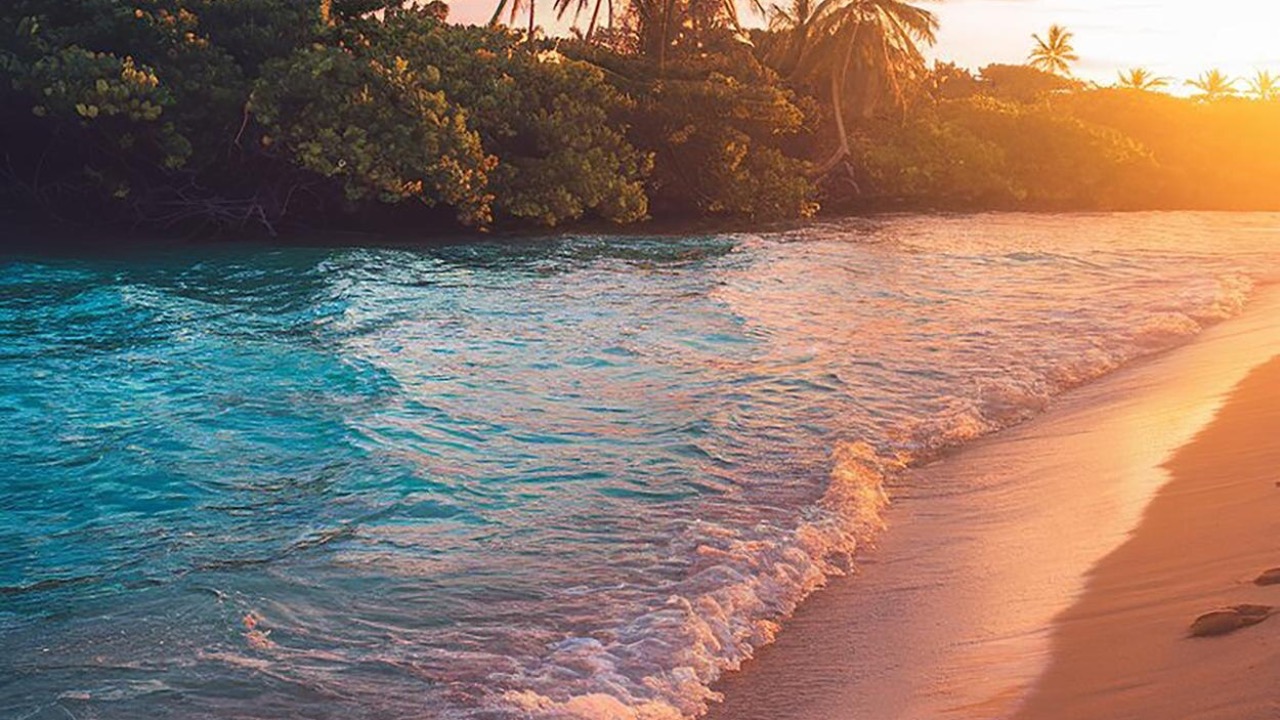
Some beaches are dangerous because nature designed them that way. Certain coastlines act like magnets for powerful rip currents.
On Australia’s east coast, beaches such as Bondi and Surfers Paradise regularly top danger lists thanks to longshore currents and shifting sandbars that create fast-moving channels of water pulling swimmers out to sea. A swimmer who fights the current directly often tires quickly and gets into real trouble.
The same pattern shows up on parts of the U.S. East Coast and Florida’s Gulf side, where seemingly calm water hides powerful undertows. Lifeguards post flags daily, yet every season a handful of strong swimmers ignore the warnings and pay the price.
Shark-prone waters that refuse to stay quiet
Other beaches earn their spot on danger lists because they sit right in prime shark territory.
California’s Half Moon Bay and parts of the Northern California coast keep appearing because great whites patrol the waters hunting seals and sea lions near rocky outcrops and kelp forests. Kayakers and surfers frequently report close encounters, and several beaches have seen temporary closures after confirmed sightings.
In South Africa, beaches near False Bay and Gansbaai have a long history with great whites. The area’s cold, nutrient-rich waters attract large marine life, which in turn draws the apex predators. Even with shark spotters and drum lines in place, these beaches still make international “beware” lists every year.
Pollution and bacteria that never fully go away
Then there are the beaches plagued by water quality issues.
Beaches near major cities or river mouths often struggle with stormwater runoff, sewage overflows, and agricultural waste. After heavy rain, bacteria levels spike and health departments issue swimming advisories or outright closures.
Places like parts of the New Jersey shore or certain Southern California beaches near urban drainages show up repeatedly on EPA or state danger lists. The problem isn’t always visible — clear-looking water can still carry high levels of E. coli or enterococci. Locals know to avoid the water for days after a big storm, but visitors often don’t get the message until it’s too late.
Human behavior that makes things worse
Many beaches stay dangerous not because of the ocean, but because of how people use them.
Crowded beaches with strong rip currents become riskier when too many inexperienced swimmers enter the water at once. Alcohol, distracted parents, and teenagers showing off all add to the toll.
Some popular beaches also see repeated incidents because they lack enough lifeguards or clear warning systems. A beach that looks family-friendly on Instagram can turn deadly fast when conditions change with the tide or wind.
Why the same names keep coming back
The beaches that consistently appear on danger lists usually share a few common traits:
- Predictable but powerful natural hazards (rips, sharks, steep drop-offs)
- High visitor numbers, especially from people unfamiliar with local conditions
- Proximity to features that concentrate danger — river mouths, seal colonies, busy harbors
- Slow or inconsistent response from local authorities to fix ongoing problems
In many cases, these beaches are also economic engines. Tourism dollars keep towns alive, so officials hesitate to over-warn or close areas for too long. That balance between safety and revenue keeps the danger cycle spinning.
Staying safe when the beach keeps making the list
If a beach keeps showing up on danger lists, smart visitors treat it with extra respect. Check local lifeguard reports and flag systems every single day. Swim only where lifeguards are on duty. Never swim alone after heavy rain or near river outlets.
Surfers and kayakers in shark country often go in groups and avoid dawn or dusk when predators are most active. Parents keep younger kids in shallow, supervised areas and watch for changing currents.
The ocean doesn’t change its rules just because the calendar flips to summer. The beaches that keep earning their spot on danger lists do so for clear, repeatable reasons — most of which come down to a dangerous mix of nature and human choices.
Knowing why a beach stays on the list is the first step toward making sure your next trip to the sand ends with good memories instead of a rescue call.

Leo’s been tracking game and tuning gear since he could stand upright. He’s sharp, driven, and knows how to keep things running when conditions turn.