Trump budget takes aim at gun regulations while emphasizing gun rights
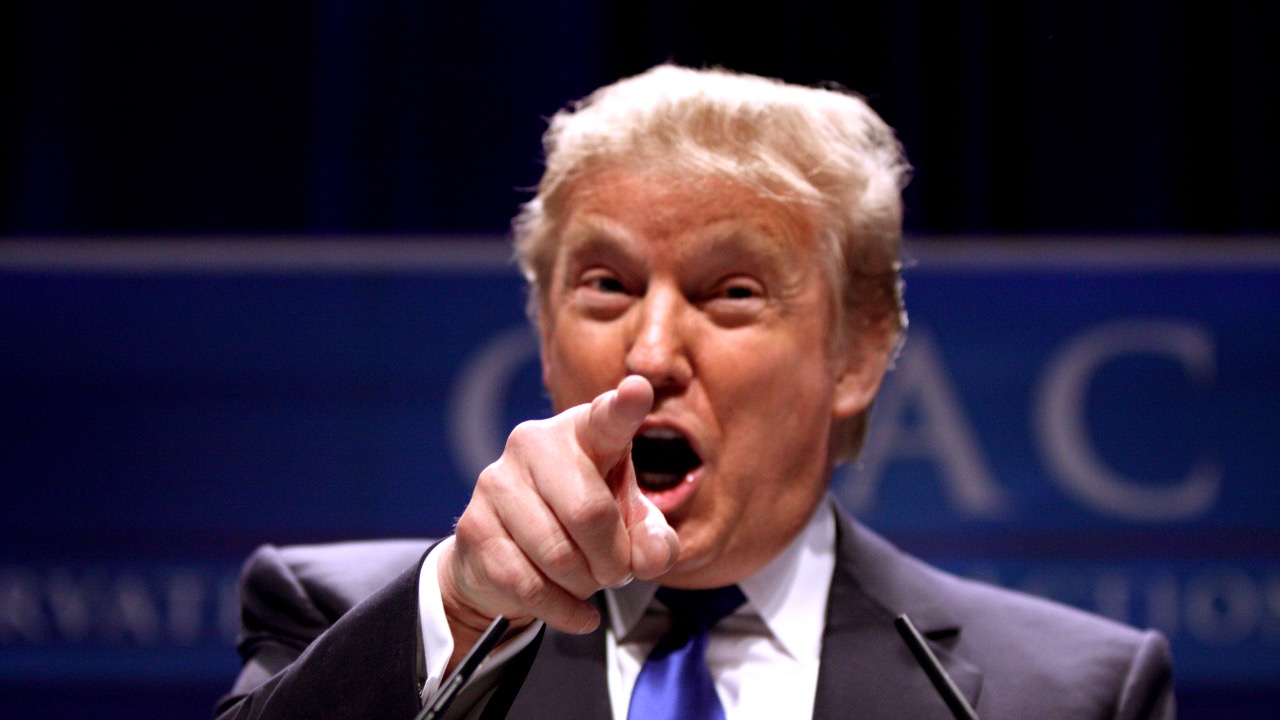
The Trump administration’s latest budget blueprint pairs steep cuts to federal gun regulation programs with new spending and policy language that explicitly frames firearm ownership as a core national priority. The document reads less like a routine spending plan and more like a governing manifesto on guns, laying out in detail how the White House wants to shrink the regulatory footprint while elevating gun rights across federal agencies. That mix of fiscal choices and ideological framing is already sharpening the fight between gun control advocates, Second Amendment groups, and lawmakers who must now decide how much of the proposal to accept.
What happened
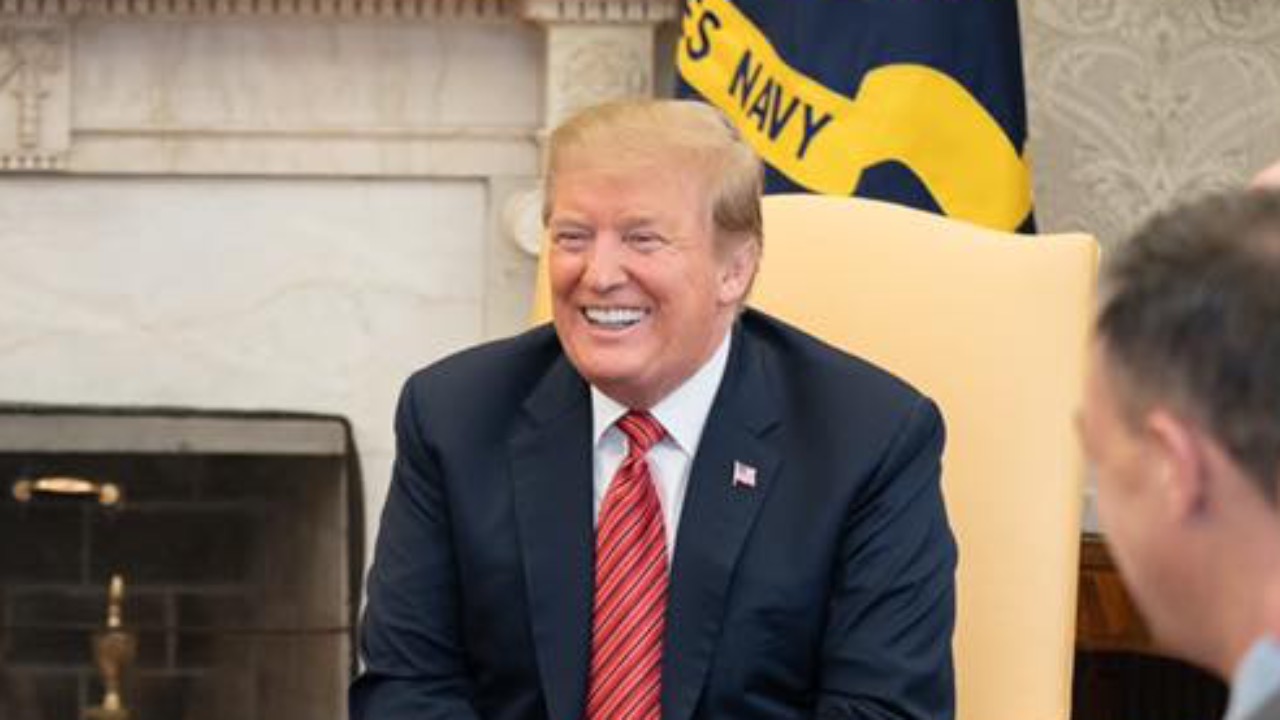
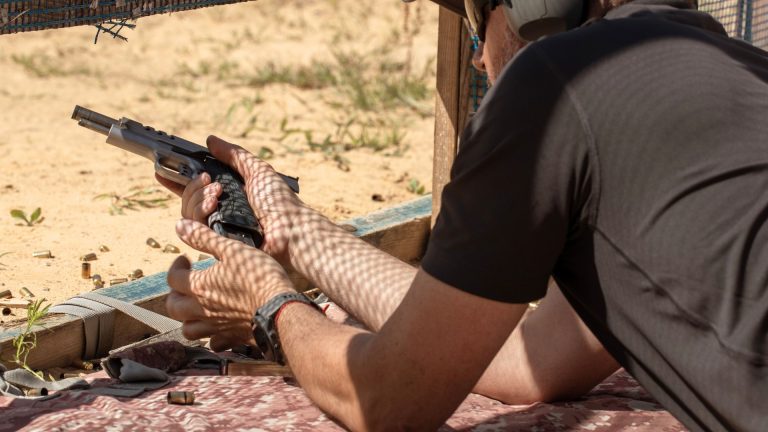
The Trump budget proposes significant reductions in funding for several parts of the Department of Justice that handle firearms enforcement and oversight. Career officials who reviewed the plan say it would trim personnel and investigative resources at the Bureau of Alcohol, Tobacco, Firearms and Explosives, the agency that licenses gun dealers, tracks trafficking patterns, and enforces federal gun laws. The cuts are paired with language that directs the department to focus more narrowly on violent crime prosecutions instead of regulatory inspections and civil enforcement against licensed sellers.
Alongside those reductions, the White House is seeking to expand programs that align firearm ownership with broader national priorities such as border security, rural economic development, and public safety grants to states that adopt policies friendly to concealed carry. Budget language encourages states to loosen restrictions on carrying firearms in public by tying some discretionary grant formulas to whether legislatures have adopted permitless carry or reciprocity measures. The proposal also calls for new incentives that would make it easier for retired law enforcement officers and some federal contractors to carry weapons across state lines.
The administration’s approach to gun policy is not confined to spending tables. Officials have used the budget rollout to highlight a broader effort to reshape how the federal government treats firearms in law, regulation, and even physical security. In one example that has drawn intense attention, the Department of Justice quietly approved a plan for the law firm representing Special Counsel Jack Smith to install armed security at its offices, a step that was described internally as necessary because of heightened threats tied to politically charged prosecutions. The arrangement, which involved coordination between federal officials, the firm, and private guards, was described in detail in internal correspondence that later surfaced in reporting on security for Jack.
Supporters inside the administration point to that episode as evidence that firearms are already woven into the practical realities of federal work, from courthouse protection to safeguarding high-profile legal teams. In their view, the budget simply acknowledges that reality and reorients federal spending so that law-abiding citizens, especially those in high-risk professions or remote communities, have similar access to defensive tools. Critics counter that the same document that helps expand armed protection around sensitive political cases should not be used as a vehicle to weaken safeguards designed to prevent gun trafficking, straw purchases, and the spread of untraceable weapons.
The budget also seeks to limit the reach of recent regulatory efforts that targeted specific categories of firearms and accessories. Provisions instruct the Justice Department to halt work on new rules that would tighten oversight of so-called ghost gun kits and certain stabilizing braces, and to review existing guidance that broadened the definition of firearms dealers required to obtain federal licenses. Several line items would restrict the use of federal funds for data collection on gun violence, including multi-agency research projects that public health experts have tried to expand over the past several years.
On the revenue side, the proposal calls for a review of federal excise taxes on firearms and ammunition, which currently help fund wildlife conservation and hunter education. While the budget does not eliminate those taxes outright, it signals support for efforts in Congress that would reduce or redirect them, arguing that gun owners and manufacturers should not be singled out to pay for programs that benefit the general public. That position has already drawn pushback from some hunting and conservation groups that rely on those dollars for land management, habitat restoration, and safety training.
Why it matters
The budget’s mix of spending cuts and ideological language matters because it uses the power of federal dollars to reshape the ground on which the gun debate plays out. Even if Congress rejects some of the most aggressive proposals, the White House has made clear that it wants federal agencies to treat gun ownership as a presumptive good rather than a risk that must be managed. Such a shift could influence everything from how prosecutors prioritize cases to how grant-making offices evaluate state laws, and it signals to courts that the executive branch reads the Second Amendment in expansive terms.
For gun control advocates, the most immediate concern is the potential erosion of enforcement capacity. ATF agents already struggle to conduct regular inspections of the country’s roughly 75,000 licensed gun dealers, and internal audits have repeatedly found that a small fraction of sellers account for a disproportionate share of crime guns. If staffing and travel budgets are cut, those inspections would likely become even less frequent, making it harder to catch record-keeping violations, missing inventory, and patterns that suggest trafficking. Reduced funding for tracing and data analysis would also limit the government’s ability to identify emerging threats, such as new trafficking corridors or the spread of 3D-printed components.
The budget’s research restrictions could have long-term effects on public health efforts. Over the last several years, agencies such as the Centers for Disease Control and Prevention and the National Institutes of Health have slowly rebuilt gun violence research programs after decades of political pressure. By constraining how funds can be used for data collection and multi-agency studies, the Trump proposal would make it harder for researchers to track trends in firearm deaths, injuries, and nonfatal shootings. That, in turn, would limit the evidence available to state legislatures and city councils that are trying to design targeted interventions such as focused deterrence programs, hospital-based outreach, or safe storage campaigns.
The ideological framing in the budget also has symbolic power that goes beyond the numbers. By describing gun rights as a central part of American identity and linking them explicitly to patriotism, border security, and resistance to political violence, the administration is sending a message about whose rights are prioritized when security concerns arise. The decision to support armed protection for the law firm representing Jack Smith, for example, highlights how federal officials respond when threats target high-profile legal actors in politically sensitive cases. That same government is now asking Congress to scale back the tools used to track and prevent everyday gun crimes in communities that rarely see that level of attention.
For gun rights groups, the budget represents a rare opportunity to lock in structural advantages that could outlast a single administration. By tying some federal grants to state policies that expand carry rights or limit liability for gun manufacturers, the White House is trying to create financial incentives that nudge legislatures toward a more permissive model. Once states adjust their laws to qualify for those funds, reversing course would become politically and fiscally harder, especially in rural areas that rely on federal dollars for law enforcement and emergency services.
The treatment of excise taxes on firearms and ammunition illustrates how fiscal policy can reshape the coalition around guns. For decades, the system that channels those taxes into wildlife conservation has created an unusual alliance between hunters, gun makers, and environmental groups. By signaling support for efforts to cut or redirect those taxes, the Trump budget risks fracturing that alliance. Some hunting and outdoor organizations have already warned that reduced funding could limit access to public lands, cut back on safety courses, and weaken programs that make it easier for new hunters to enter the sport. That tension could reverberate through rural economies that depend on hunting seasons for tourism and retail sales of rifles, shotguns, and related gear.
The budget also arrives at a moment when public concern about political violence and intimidation is high. Threats against judges, prosecutors, and election officials have increased in recent years, and federal law enforcement has repeatedly warned about the risk of lone-wolf attacks inspired by political grievances. The decision to facilitate armed security for the legal team around Jack Smith reflects that reality, but it also raises questions about how the government balances the safety of elites with broader community security. Critics argue that a budget that helps expand armed protection for high-profile figures while cutting community-level enforcement sends a troubling signal about whose safety counts.
In practical terms, the budget will shape how federal agencies interact with the booming market for firearms, ammunition, and related products such as tactical vests, night vision optics, and survival gear. Retailers that sell both hunting gear and more militarized equipment have grown rapidly, especially online. With fewer inspections and looser definitions of who counts as a dealer, more of that commerce could occur in lightly regulated channels, including small-scale sellers who operate at gun shows or through social media. Such a shift would complicate efforts to enforce age restrictions, background checks, and bans on sales to prohibited buyers such as people with certain felony convictions or domestic violence orders.
What to watch next
The next phase of the fight will unfold on Capitol Hill, where appropriators from both parties must decide how much of the Trump blueprint to adopt. Even in a polarized Congress, spending bills are often shaped by regional interests that cut across party lines. Lawmakers from states with high rates of gun ownership but also high levels of gun violence may be reluctant to slash enforcement budgets, especially if local police chiefs and sheriffs warn that federal support is already stretched thin. Urban representatives are likely to push for restoring research funds and preserving multi-agency task forces that target trafficking corridors feeding their districts.
Advocacy groups on both sides are preparing to treat the budget as a test of political strength. Gun rights organizations are expected to mobilize members to lobby for grant incentives tied to carry laws and liability protections, arguing that those provisions are necessary to counter what they describe as a long-term campaign to stigmatize firearms. Gun control groups, in turn, are focusing on the most concrete, easily understood impacts, such as the number of ATF inspectors who could lose positions and the potential drop in dealer inspections per year. Those numbers will likely become talking points in local media as lawmakers head into town halls and constituent meetings.
Courts will also play a role in determining how far the administration can go, even if Congress agrees to some of the proposals. Several ongoing lawsuits challenge recent ATF rules on ghost guns, stabilizing braces, and the definition of a firearms dealer. If the budget succeeds in halting work on new regulations and weakening enforcement of existing ones, judges may view those moves as evidence that the executive branch is stepping back from its traditional role in implementing gun laws passed by Congress. That perception could influence how courts interpret statutory language and the scope they give agencies to act in the future.

Leo’s been tracking game and tuning gear since he could stand upright. He’s sharp, driven, and knows how to keep things running when conditions turn.