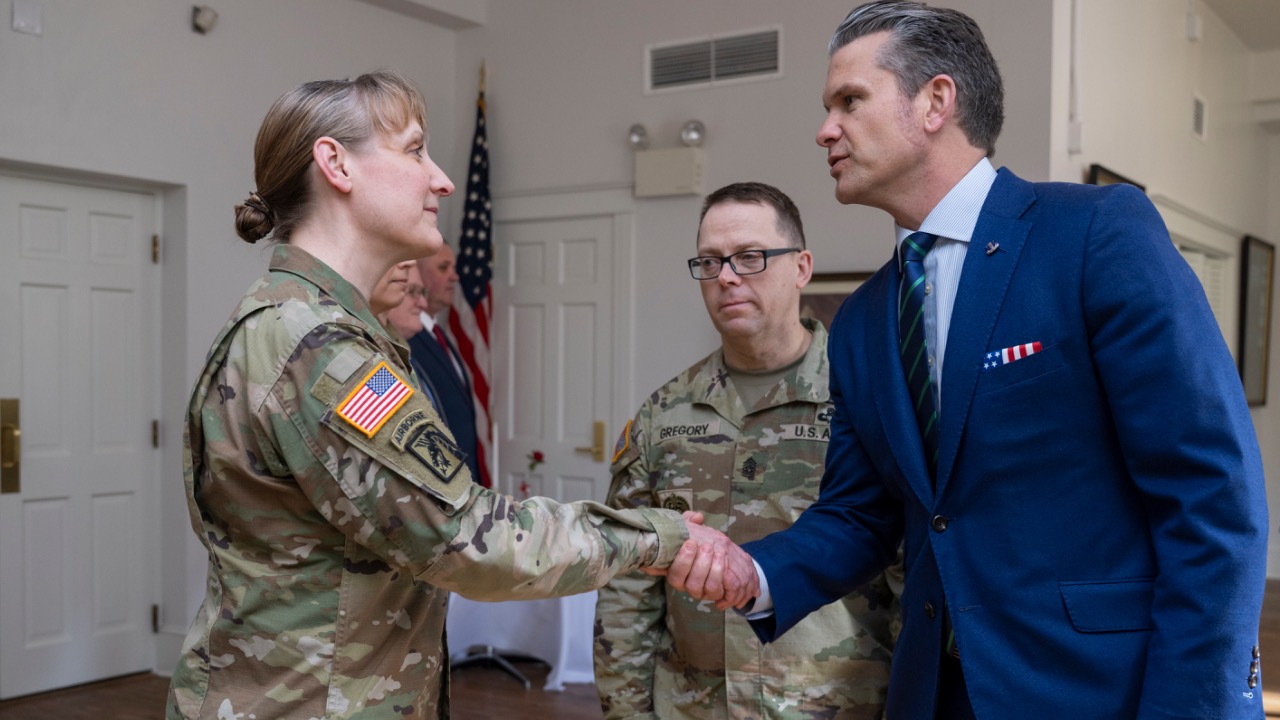
Pete Hegseth’s Push to Resegregate the Military Draws Sharp Criticism
You have likely caught wind of the heated discussions coming out of the Pentagon lately. As Defense Secretary, Pete Hegseth has made moves that many inside and outside the military view as a direct challenge to the integrated force built over decades. Reports from major outlets detail how he has stepped into promotion processes in ways that stand out as unusual. Critics argue these steps target officers based on race or gender rather than performance records. Supporters frame it as a return to strict merit standards after years of what they call divisive policies. The result has been a wave of concern from senior officials, lawmakers, and veterans who see risks to unit cohesion and overall strength. What started as promises of color-blind decisions has now fueled accusations of something closer to the opposite.
Promotion Interventions Under Scrutiny
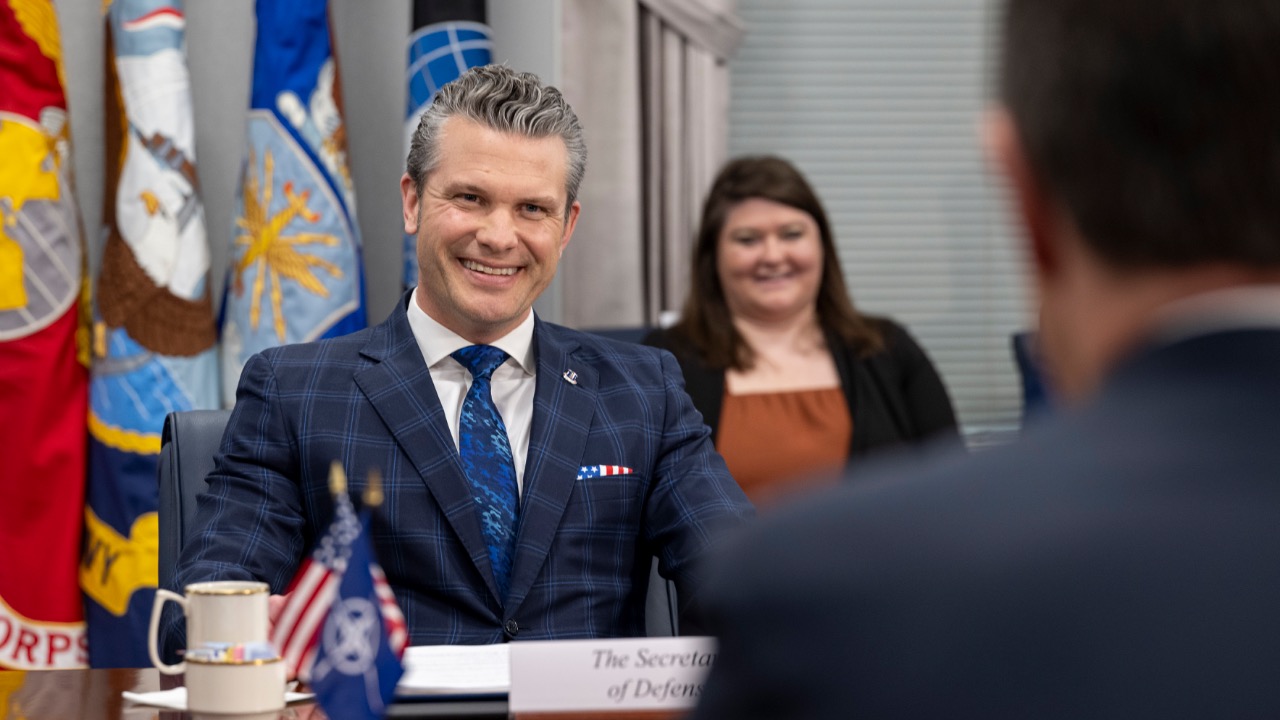
Defense Secretary Pete Hegseth has taken the unusual step of blocking or delaying promotions for more than a dozen senior officers who are Black or female across multiple branches. Nine officials familiar with the details described the interventions to reporters, noting that some of those affected had already been selected by their peers through standard merit reviews. This level of direct involvement from the secretary’s office breaks from long-standing practice where lists move forward unless clear performance issues arise. Observers point out that the timing lines up with Hegseth’s public campaign against past diversity efforts. You see the tension when qualified leaders suddenly face hurdles that others do not. The pattern has left many wondering whether the stated goal of neutrality holds up under examination.
Such actions send ripples through the officer corps. When high-achieving Black and female candidates encounter roadblocks without detailed explanations, it raises practical questions about fairness and future talent pipelines. Pentagon insiders have voiced private worries that the process could discourage ambitious service members from pursuing advancement. The moves come after Hegseth declared an end to what he described as woke influences, yet critics see them as selective rather than uniform. This has created an atmosphere where loyalty to certain views seems to matter as much as battlefield records.
High-Profile Firings and Retirements
Hegseth moved quickly after taking office to remove or push out several top officers, including the second African American chairman of the Joint Chiefs of Staff, Gen. CQ Brown. He also forced the retirement of Adm. Lisa Franchetti, the first woman to lead the Navy as its top uniformed officer. These decisions lacked public explanations tied to specific failures in duty. In his earlier writings, Hegseth had questioned whether such leaders earned their roles purely on merit or benefited from diversity considerations. The firings fit into a wider restructuring that targeted four-star ranks across the services. You can trace the logic back to his repeated statements about restoring a warrior focus free of social experiments.
The losses extend beyond individuals to the institutional knowledge they carried. Brown and Franchetti had built respected careers through multiple deployments and command tours. Removing them without clear cause has prompted senior military figures to question the stability of leadership transitions. Some see it as a message that past progress on inclusion now counts against officers. Others worry it weakens the bench of experienced commanders at a time when global threats demand steady expertise. The pattern has not gone unnoticed by those still serving.
Allegations of Bias in Leadership Choices
Senior military officials have raised direct concerns that race and gender factored into decisions about who advances to general and admiral ranks. In one reported exchange, Hegseth’s chief of staff told Army leaders that the president would not want to appear alongside a Black female officer at public events. Three sources confirmed the comment, though the staffer later denied it. This kind of guidance, if accurate, clashes with the public commitment to merit-based selections. You notice how the details paint a picture of preferences shaping outcomes rather than records alone. The New York Times and NBC News both documented cases where qualified officers from targeted groups were struck from promotion lists.
The allegations have grown louder because they involve officers already vetted by their services. When two Black and two female Army colonels were removed from a one-star list, it triggered internal reviews and quiet protests. Critics argue this amounts to a de facto resegregation of the upper ranks. Defenders insist every choice reflected performance gaps, yet no supporting evidence has been released to back that claim. The lack of transparency only deepens the divide. Service members watching from lower ranks now weigh whether their own backgrounds could limit future opportunities.
Lawmakers Voice Strong Objections
Democratic senators have called the reported actions illegal and contrary to core military values. Sen. Jack Reed stated that denying promotions based on race or gender betrays the merit principles officers swear to uphold. Other lawmakers echoed the sentiment, demanding explanations and threatening oversight hearings. They point to federal laws and Department of Defense regulations that prohibit discrimination in personnel decisions. You hear the frustration in their statements because the military has spent generations moving away from the segregated past. The criticism spans party lines in some cases, with even some Republicans expressing private unease about politicizing the ranks.
Congressional pushback has included formal letters and public floor speeches. Lawmakers argue that undermining trust in the promotion system hurts recruitment and retention at a time when the services already face shortfalls. They want the Pentagon to release full records of the blocked cases so the public can judge the merit claims. Until then, the accusations linger and fuel broader doubts about civilian control of the military. The debate has moved beyond policy into questions of basic fairness.
Impact on Military Readiness Debates
Hegseth has framed his changes as necessary to restore combat effectiveness and eliminate distractions. He has repeatedly criticized phrases like “diversity is our strength” as misguided. In speeches to commanders he has called for strict, gender-neutral physical standards and a return to pre-2015 requirements in certain roles. Yet top enlisted leaders from each service told Congress there is no evidence that women in combat positions lowered overall readiness. You see the disconnect between the secretary’s narrative and the firsthand assessments from those who train and deploy troops daily.
The debate over readiness now includes morale factors. When officers sense that advancement depends on factors beyond performance, it can affect how units operate and cooperate. Veterans from earlier eras of integration recall how inclusion strengthened the force by broadening the talent pool. Current service members report similar experiences in mixed-gender teams that succeeded in real operations. The push to roll back gains risks losing skilled people who meet every objective measure. Readiness, in the end, depends on people staying motivated and believing the system treats them fairly.
Review of Combat Role Standards
Early in his tenure Hegseth ordered a full review of physical standards for ground combat jobs, focusing on changes made since women gained access in 2015. He directed the services to ensure standards remain high and unwavering, stating that if women cannot meet them then so be it. This came after he had written and spoken against women serving in infantry and armor units. The review process has already led to adjustments in training pipelines and advisory committees focused on women’s issues being disbanded. You can see how the policy shift aims to limit female participation in the most physically demanding roles.
Service branch leaders have testified that existing standards already weed out those who cannot perform, regardless of gender. Data from integrated Ranger classes and special operations teams show women who qualify contribute without compromising mission success. Still, the secretary’s emphasis remains on potential trade-offs rather than proven results. The review continues, and its final recommendations could reshape career paths for thousands of servicewomen. Observers note that the military has adapted to integration before, and sudden reversals carry their own costs to cohesion.
Shift Away from Diversity Programs
Hegseth eliminated Pentagon diversity, equity, and inclusion initiatives almost immediately, arguing they divided rather than united the force. He ended programs that tracked demographic trends in promotions and disbanded advisory groups on women’s service. Black History Month observances were scaled back or canceled in some commands following the new guidance. The secretary has described these steps as removing politics from the military and refocusing on lethality. You notice the speed with which long-standing efforts disappeared once he took charge.
The changes extend to language in official documents and training materials. References to systemic barriers or inclusion goals have been scrubbed in favor of neutral merit language. Critics contend that without deliberate attention to equal opportunity, old imbalances return quickly. Supporters counter that true equality means ignoring demographic categories entirely. The practical effect has been a quieter but noticeable chill on discussions about representation. Service members now navigate a workplace where certain topics carry career risks. The long-term consequences for the force’s makeup remain an open question.
Looking at the Bigger Picture
The controversy over Hegseth’s approach touches on deeper questions about what kind of military America needs in the coming years. The armed forces have served as a leading example of integration since the end of official segregation. Progress came through hard-won policy shifts and the performance of generations of diverse troops. Reversing course now invites comparisons to earlier eras when race and gender determined opportunity. You weigh the arguments on both sides and see that readiness depends on more than equipment or budgets; it rests on trust that every service member has a fair shot.How the Pentagon resolves these tensions will shape recruitment, retention, and public confidence for years ahead. Lawmakers continue to press for accountability while the administration defends its vision of a leaner, less distracted force. The sharp criticism reflects genuine stakes for national defense. Service members and their families watch closely because careers and lives hang in the balance. The outcome will test whether merit-based claims can withstand close examination or whether other factors continue to guide decisions behind the scenes.

Asher was raised in the woods and on the water, and it shows. He’s logged more hours behind a rifle and under a heavy pack than most men twice his age.