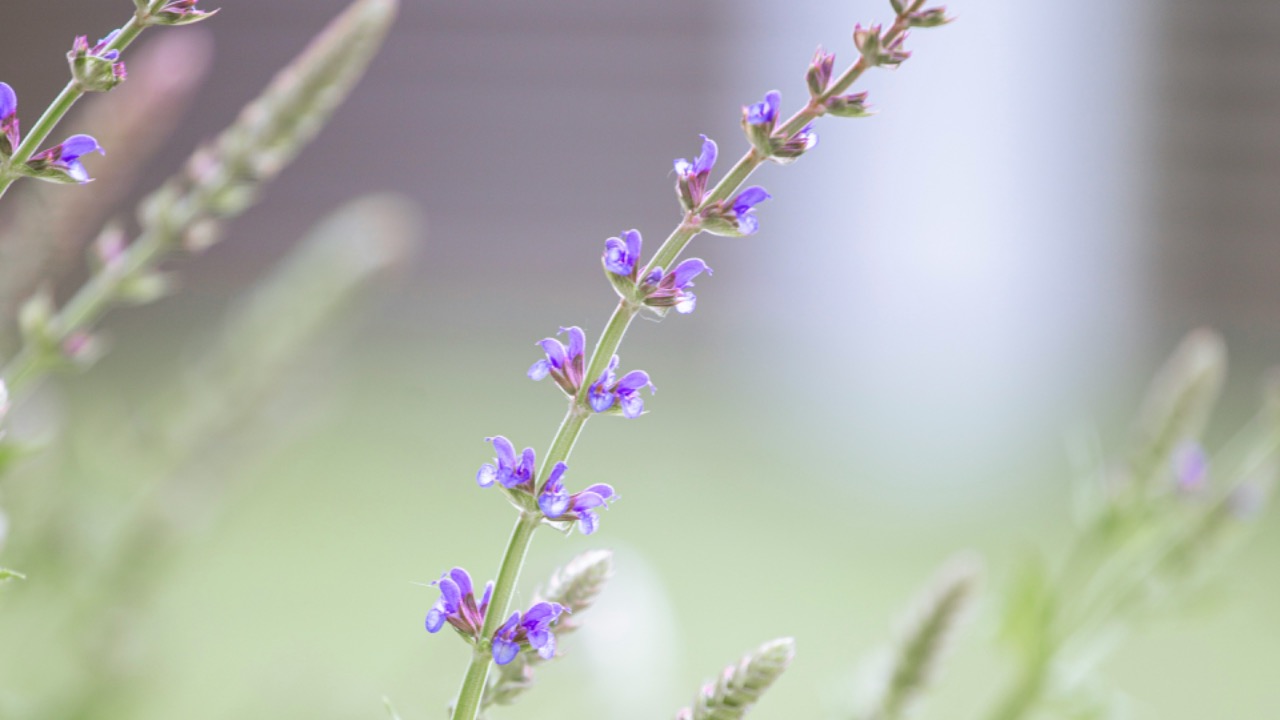
15 Poisonous Plants Lurking in Your Garden That Could Kill Your Dog (or You)
Gardens are often seen as safe, peaceful spaces filled with flowers, greenery, and decorative plants. But many common plants found in yards across the U.S. contain natural toxins that can cause serious illness in pets and humans if ingested.
Most of the time, problems happen by accident — curious dogs chewing leaves, digging up bulbs, or children exploring plants without knowing what they are.
Here are 15 plants commonly found in gardens that are known to be toxic.
1. Oleander
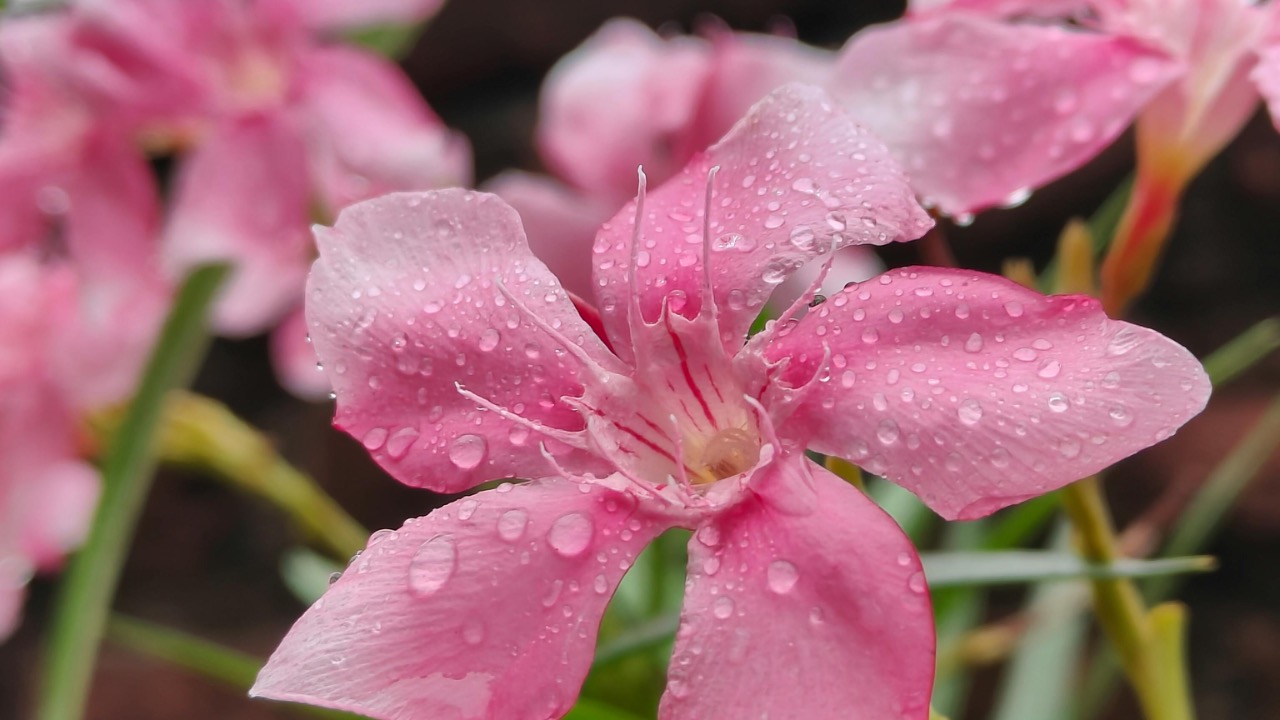
Oleander is widely grown as an ornamental shrub, but all parts of the plant contain toxic compounds that can cause severe reactions if ingested.
2. Foxglove
Foxglove contains naturally occurring chemicals that can affect heart function.
3. Lily
Lily plants are especially dangerous to cats, even in small amounts.
4. Sago Palm
Sago Palm is highly toxic, particularly the seeds, which are often the most dangerous part.
5. Azalea
Azalea can cause digestive and neurological symptoms if consumed.
6. Hydrangea
Hydrangea contains compounds that can lead to stomach upset if eaten.
7. Daffodil
Daffodil bulbs are especially toxic if dug up and ingested.
8. Tulip
Tulip bulbs can cause irritation and gastrointestinal issues.
9. Rhododendron
Rhododendron contains natural toxins that can affect the heart and nervous system.
10. English Ivy
English Ivy can cause irritation and digestive symptoms if consumed.
11. Autumn Crocus
Autumn Crocus is highly toxic and can cause severe internal reactions.
12. Dieffenbachia (Dumb Cane)
Dieffenbachia can cause irritation and swelling in the mouth and throat if chewed.
13. Wisteria
Wisteria seeds and pods can cause digestive distress if ingested.
14. Castor Bean Plant
Castor Bean Plant contains highly toxic compounds in its seeds.
15. Lily of the Valley
Lily of the Valley contains natural compounds that can affect heart function.
Why These Plants Matter for Pet Owners
Many of these plants are common in landscaping and decorative gardens. The risk usually comes from accidental ingestion rather than contact, especially with curious pets.
Dogs are especially likely to explore plants with their mouths, which increases the chance of exposure.
The Key Takeaway
Most gardens are safe when used normally, but knowing what plants are present — and preventing pets from chewing unfamiliar vegetation — is an important part of reducing risk.
If ingestion is suspected, contacting a veterinarian or poison control service quickly is always the safest step.

Leo’s been tracking game and tuning gear since he could stand upright. He’s sharp, driven, and knows how to keep things running when conditions turn.