Navy’s Secret Hormuz War Games Could Shatter Iran’s Control of the Strait in Days
Recent operations show American warships pushing through waters Iran has tried to lock down with mines and threats. What stands out is how classified exercises over the years have shaped exactly this kind of response, pointing to a window where the Navy could break that grip in a matter of days rather than weeks or months. You are seeing the real-world follow-through on decades of planning that tested every asymmetric trick Iran might pull.
The strategic choke point that keeps everyone watching
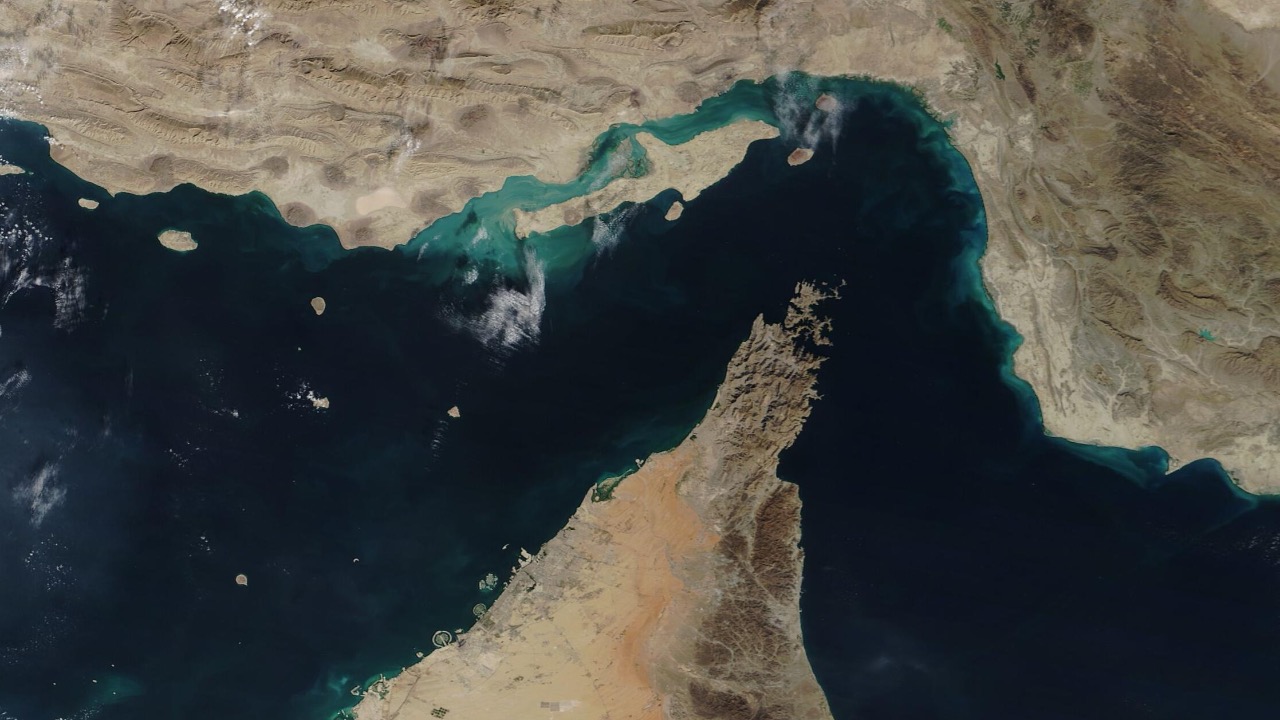
Think about the narrow waterway linking the Persian Gulf to the open ocean. Roughly a fifth of the world’s traded oil flows through it on any given day, so any disruption hits fuel prices, supply chains, and economies far beyond the region. Iran has long positioned its forces along the northern shore to claim influence over passage, using speedboats, missiles, and minefields as leverage during tensions.
Right now that leverage is being tested in real time. The waterway is only about 21 miles wide at its narrowest, which makes it ideal for the kinds of defensive tactics Tehran has practiced. Yet the geography also works against anyone trying to hold it closed for long once a determined naval force decides otherwise.
How Iran built its current position in the strait
Over the past weeks Iranian Revolutionary Guard units laid sea mines and stepped up patrols to restrict traffic. They issued warnings that unauthorized ships would face consequences within minutes. State media framed the moves as defensive, protecting their coastline while high-level talks continued elsewhere.
Those actions followed a pattern seen in earlier flare-ups. By creating uncertainty and physical hazards, Iran aimed to raise the cost of transit so high that commercial tankers would simply stay away. The mines are a low-tech but effective way to force slow, risky clearance work, buying time for diplomacy or escalation.
The Navy’s quiet preparations and recent transits
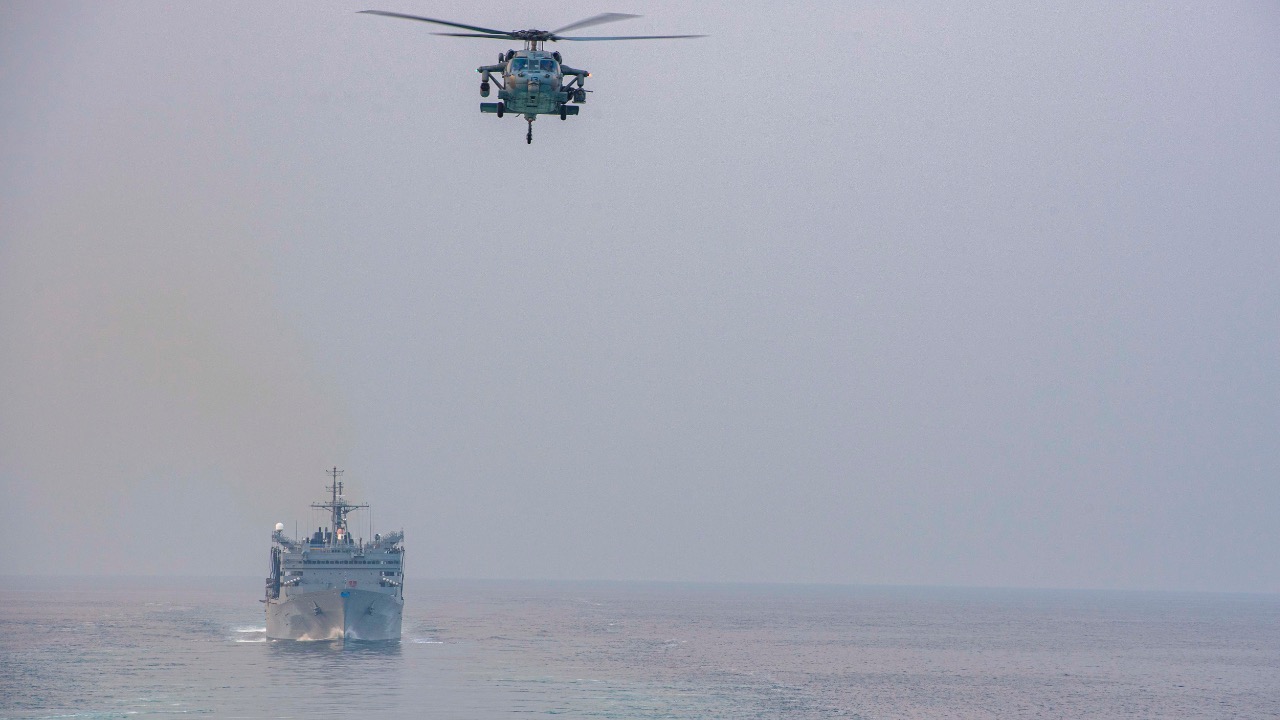
Two guided-missile destroyers, the USS Frank E. Peterson Jr. and USS Michael Murphy, moved through the strait on April 11 without incident. Central Command described the passage as the start of setting conditions for full mine clearance. Additional assets, including underwater drones, are expected to join the effort in the coming days.
This was no spontaneous run. Planners had mapped the bottom and rehearsed responses to the very threats now present. The ships provided their own air and missile defense while signaling that safe routes could be established and shared with commercial shipping soon.
What earlier simulations taught the planners
Classified war games going back more than two decades repeatedly examined scenarios where an Iran-style opponent tried to shut the strait using swarms of small boats, mines, and coastal missiles. One well-known 2002 exercise showed how fast low-cost tactics could complicate a larger fleet’s movements if the defender struck first and used the terrain well.
Those lessons stuck. The Navy adjusted tactics, invested in counter-swarm systems, improved mine-hunting tools, and practiced rapid route-clearing. The current operation reflects years of refining those plans so that initial disruption does not turn into prolonged paralysis.
Technology that speeds up the clearance work
Modern mine countermeasures rely on a mix of helicopters towing detection gear, unmanned surface vessels, and autonomous underwater drones that can scan and neutralize threats without putting divers at risk. The destroyers already on station give overhead protection while these systems methodically map and clear lanes.
Because the mines Iran deployed appear to be mostly conventional rather than the most advanced smart varieties, the clearance timeline shrinks. Once a safe corridor is proven, commercial traffic can resume under naval escort if needed. That shift from contested to open passage can happen faster than many observers initially assumed.
The timeline that could open the strait again
Analysts familiar with these operations estimate that a usable pathway could be established within days once the main effort ramps up. The initial transits already demonstrated that Iranian threats did not stop the movement. Follow-on forces will focus on verification and widening the cleared zones.
Of course, success depends on continued restraint from all sides and the absence of major new mine laying. But the pattern so far suggests the Navy is executing a measured plan designed to restore freedom of navigation without unnecessary escalation.
Why this matters beyond the immediate military moves
Reopening the strait quickly would ease pressure on global oil supplies and calm markets that have watched prices swing with every headline. It would also send a clear message that attempts to hold a critical chokepoint hostage have limits when a capable navy decides to act.
At the same time, the operation unfolds against the backdrop of ceasefire discussions in Islamabad. The interplay between naval pressure and diplomatic talks shows how military moves can either support or complicate negotiations. For now the focus remains on practical steps to get tankers moving safely again.
The bigger picture for regional stability
You can see how quickly the balance can shift when one side demonstrates the ability to keep the waterway open despite opposition. Iran’s strategy relied on creating doubt and delay; the Navy’s response undercuts that by proving passage is possible and sustainable.
Longer term, sustained presence and cleared routes reduce the incentive for future closures. The region has seen this cycle before, but the speed and coordination on display this week suggest a different tempo. The outcome will shape how both sides approach the next round of talks and any future standoffs in these same waters.

Asher was raised in the woods and on the water, and it shows. He’s logged more hours behind a rifle and under a heavy pack than most men twice his age.