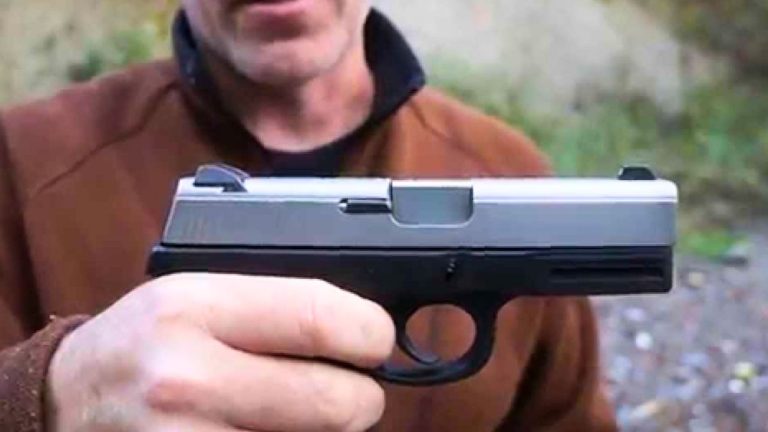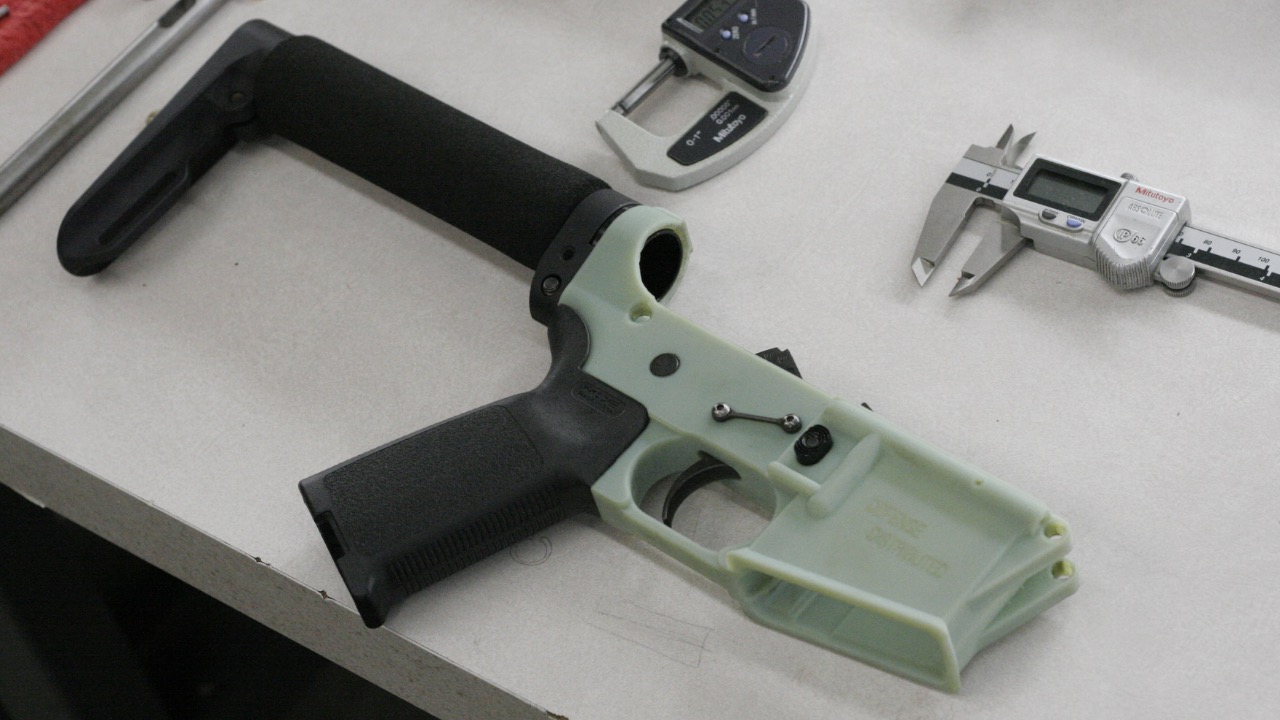
New York governor proposes 2026 gun law reforms targeting 3D-printed firearms
New York is moving toward another major expansion of its gun laws, with Governor Kathy Hochul proposing a new set of 2026 reforms aimed specifically at 3D-printed firearms and so-called “ghost guns.” The proposal is part of a broader effort to address emerging firearm technology that officials say is becoming harder to track and regulate.
The plan focuses heavily on preventing the creation, distribution, and use of 3D-printed guns and components, as well as tightening oversight on the technology used to produce them.
What the Proposal Includes
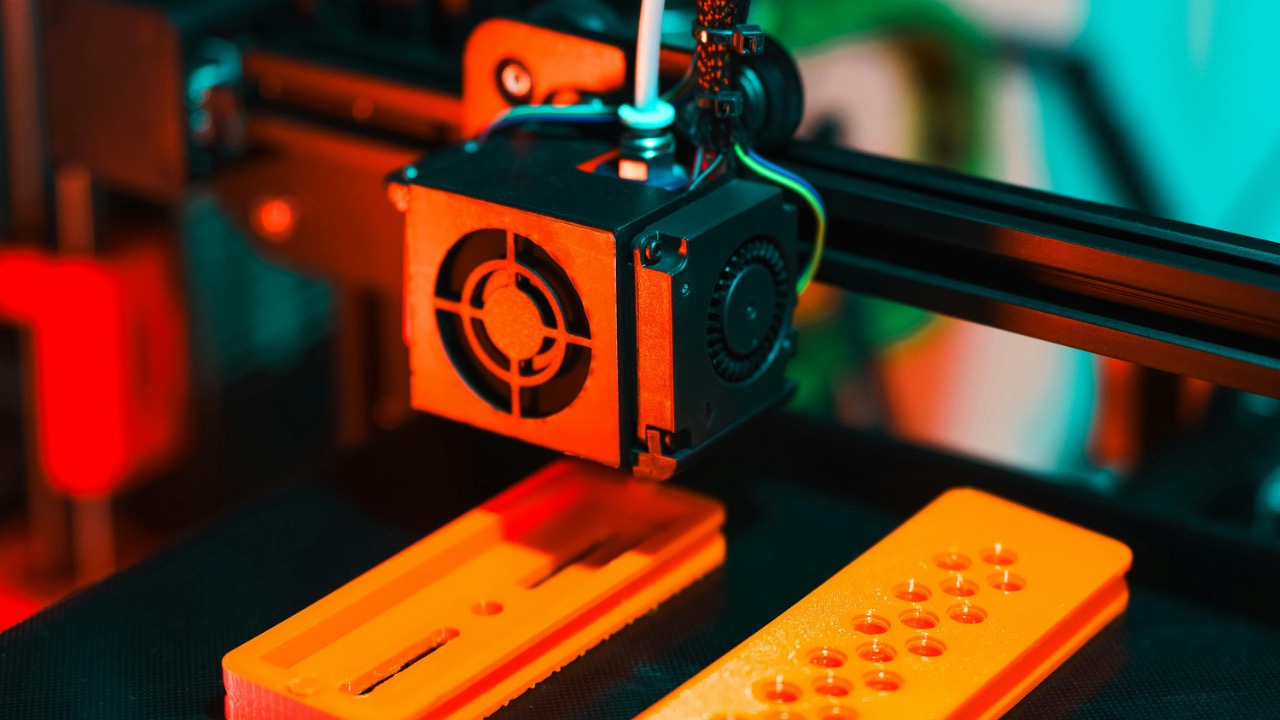
Under the proposed legislation, New York would take several new steps to regulate 3D-printed firearms:
- Criminal penalties for manufacturing 3D-printed guns
- Restrictions on distributing digital gun blueprints
- New requirements for reporting recovered 3D-printed firearms
- Minimum safety standards for 3D printer manufacturers to prevent firearm production
The proposal also targets the tools and software involved in making these weapons, not just the finished products.
Officials say the goal is to reduce access to what they describe as increasingly untraceable firearms made outside traditional manufacturing systems.
Focus on “Ghost Guns” and New Technology
A major part of the reform centers on so-called ghost guns—firearms that can be assembled without serial numbers or traditional background checks.
State officials argue that 3D printing technology has made it easier for individuals to manufacture gun components privately, creating enforcement challenges for law enforcement agencies.
The new plan would also require gun manufacturers to design firearms in a way that makes them harder to modify into fully automatic weapons using aftermarket or printed components.
Why the State Is Acting Now
Supporters of the proposal say the push is driven by the rapid spread of consumer-grade 3D printers and widely available online design files.
Law enforcement leaders in New York have warned that these tools are being used to create weapons that are difficult to trace or regulate through traditional gun control systems.
Officials argue that existing laws were designed for conventional firearms manufacturing and have not kept pace with new technology.
Support From Law Enforcement Officials
Several district attorneys and law enforcement leaders have voiced support for expanding regulations around 3D-printed firearms, saying the changes would give prosecutors better tools to address illegal weapon production.
They argue that even if 3D-printed guns are a small percentage of overall crime guns, they represent a growing enforcement challenge due to how easily they can be produced and distributed.
Ongoing Debate Over Scope and Enforcement
While supporters frame the proposal as a necessary update to modern technology, critics of similar measures in other states have raised concerns about enforcement challenges and potential overreach—particularly when laws extend to digital files and manufacturing tools.
There is also debate over how effective printer-based restrictions would be, since many of the design files and tools used in 3D printing are widely available online.
The Bigger Picture
New York’s proposal reflects a broader trend across multiple states attempting to regulate emerging firearm technologies rather than just traditional weapons.
As 3D printing becomes more accessible, lawmakers are increasingly trying to address not only the firearms themselves, but also the digital ecosystems that allow them to be created.
For now, the proposal is still in the legislative stage, but it has already become part of a larger national conversation about how modern technology is reshaping gun regulation.

Leo’s been tracking game and tuning gear since he could stand upright. He’s sharp, driven, and knows how to keep things running when conditions turn.