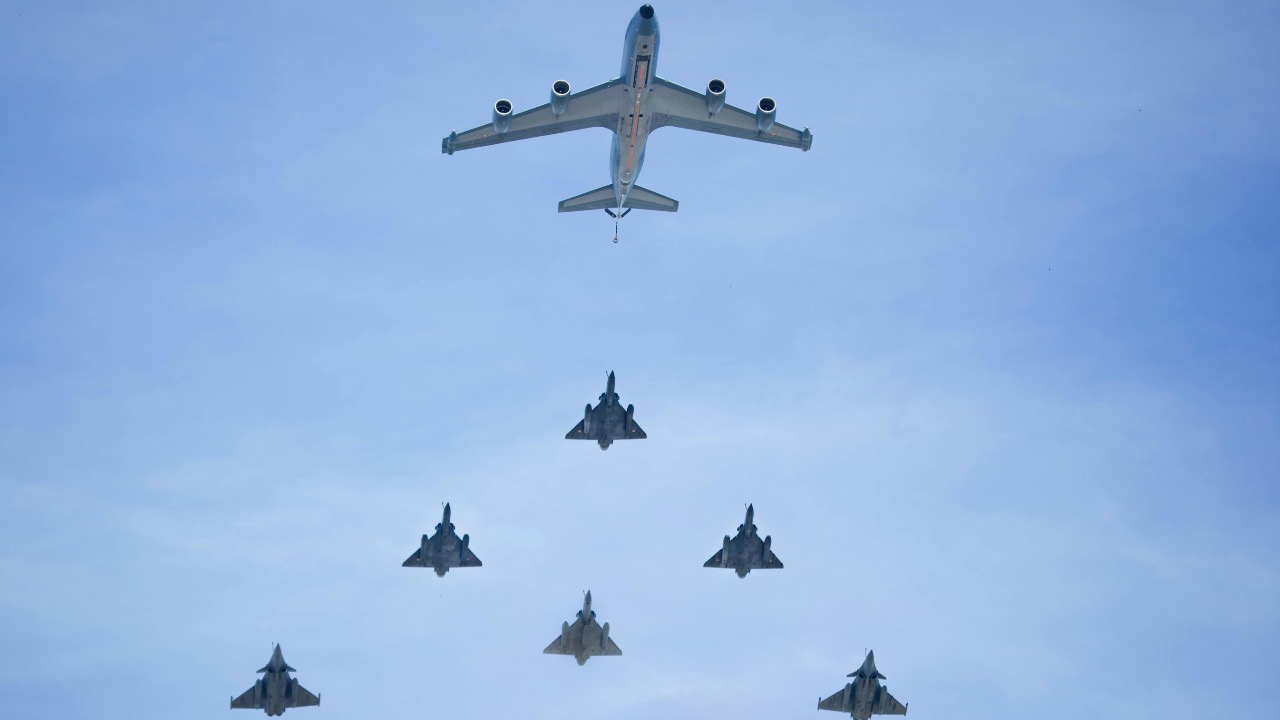
Air Force Expands Fleet With Retired Commercial Aircraft for Rapid Response
The United States Air Force is turning to an unconventional source to expand its reach: retired commercial airliners. By acquiring and converting used jets instead of buying only bespoke military designs, the service is working to add capacity for transport, command, and rapid global response at a fraction of traditional costs. The shift reflects both budget pressures and the pace of modern crises, where hours saved in deployment can shape outcomes.
This approach does not replace stealth bombers or advanced fighters, but it is reshaping the support backbone behind them. Older commercial aircraft, reconfigured for military use, can move people, equipment, and decision-makers quickly enough to keep up with high-end combat forces that cost tens or hundreds of billions of dollars to field.
What happened
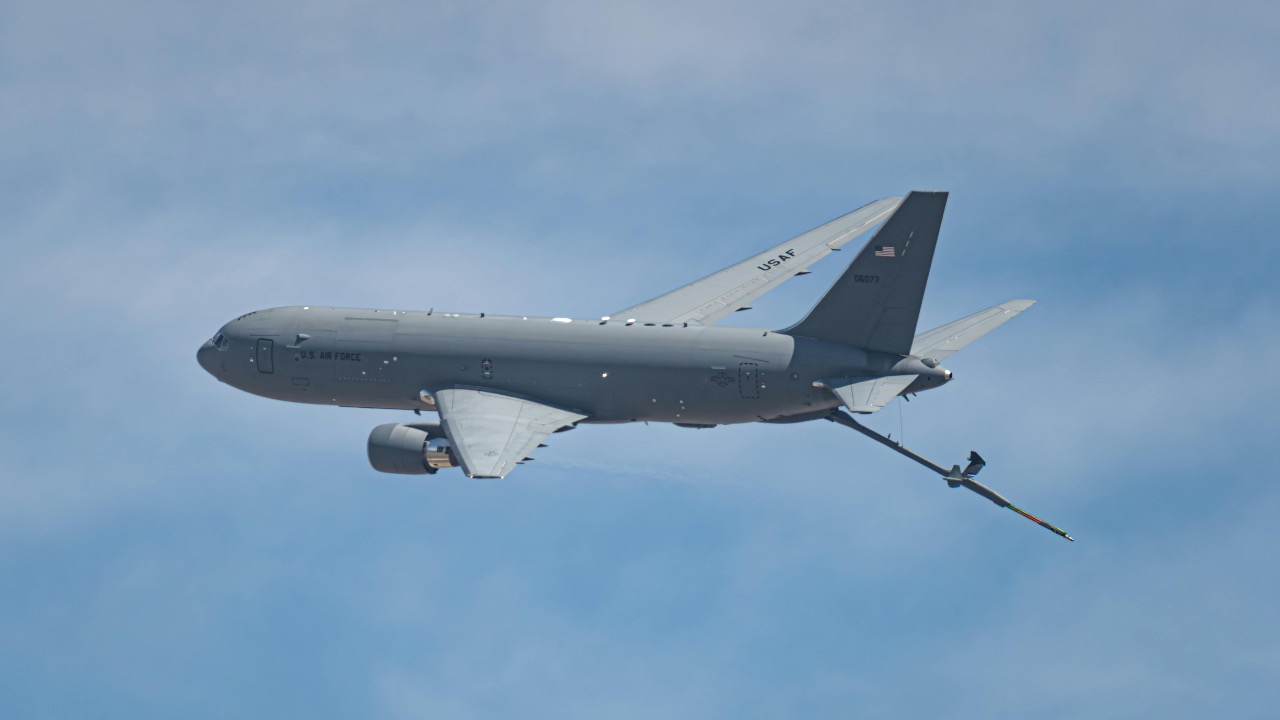
The most visible sign of this strategy is the Air Force’s use of Boeing 737 airframes for the C-40 fleet. The C-40 is based on the 737-700, a model that has already logged years of commercial service with airlines around the world. The Air Force has taken these familiar jets and outfitted them with secure communications plus flexible seating and cargo configurations to support senior leaders, rapid transport of small units, and high-priority logistics. According to program details, the Boeing 737-700 C-40 provides both passenger and cargo capability, giving planners more options than a traditional VIP-only aircraft.
These conversions sit alongside some of the most expensive aircraft ever built. Strategic bombers such as the B-2 Spirit and the B-21 Raider are designed from the ground up for stealth and nuclear missions and carry correspondingly high price tags. Public cost estimates put the B-2 program at roughly 19 billion dollars for a small fleet, while the new B-21 is projected at about 145 billion dollars over its lifecycle, figures cited in analyses of bomber program costs. Against that backdrop, reusing commercial airframes for transport and support roles becomes a clear budgetary counterweight.
Other U.S. agencies are moving in a similar direction, reinforcing the logic behind the Air Force’s choices. NASA has expanded its own flight research fleet by acquiring additional F-15 jets to support work on the X-59 quiet supersonic demonstrator. The agency has described how these F-15 aircraft will chase and monitor the X-59, providing airborne test support without the need to design an entirely new support platform. The pattern is clear: when a proven airframe exists, it is increasingly attractive to adapt it rather than start from scratch.
International partners are also signaling demand for more flexible airlift and rapid response capacity. Saudi Arabia, for example, has been negotiating large defense aviation deals that include advanced fighters and support aircraft. Reporting on those negotiations describes how Riyadh is seeking a mix of high-end combat jets and supporting platforms to modernize its forces and strengthen defense cooperation with key allies. While the Air Force’s commercial conversions are a U.S. program, they sit within a broader global trend in which militaries look for ways to expand fleets quickly without paying for bespoke designs in every role.
Why it matters
Converting retired commercial jets into military workhorses matters for three intertwined reasons: money, speed, and flexibility. The financial contrast with purpose-built platforms is stark. When a single bomber program can exceed 100 billion dollars in projected costs, as seen with the B-21 Raider in assessments of bomber spending, every dollar saved on transport and support aircraft frees budget space for munitions, training, and maintenance. Buying a used 737 and refitting it for C-40 missions is far cheaper than designing a new airframe for the same tasks.
Retired commercial aircraft are also available in numbers and can be integrated relatively quickly. Airlines cycle out older jets as fuel efficiency standards tighten or passenger expectations change. Those airframes still have years of structural life left, especially when flown at lower tempo than in commercial service. The Air Force can acquire them, install military avionics and communications, and field them faster than the timeline for a clean-sheet design that would need years of testing and certification. That speed directly supports rapid response, whether for crisis evacuations, humanitarian airlift, or the movement of small, specialized units.
In addition, the interiors of commercial jets are inherently flexible. The C-40 configuration shows how seats, cargo pallets, and communications gear can be reconfigured to suit each mission. A single aircraft can carry senior officials one day and fly a mix of personnel and high-value equipment the next. This kind of multi-role utility is essential in a security environment where demand can shift from Indo-Pacific deterrence to European reinforcement or disaster response in a matter of days.
The approach also spreads risk. High-end stealth bombers and fifth-generation fighters are limited in number and extremely expensive to operate. They are best reserved for missions where their unique capabilities are indispensable. By contrast, converted commercial aircraft can absorb much of the everyday workload of moving people and supplies, which preserves flight hours on the most advanced platforms. This division of labor mirrors NASA’s decision to use proven F-15 support jets around the X-59, letting the experimental aircraft focus on the data that only it can generate.
There is also a diplomatic dimension. Aircraft like the C-40 can move delegations, support multinational exercises, and respond to regional crises in ways that are visible but not overtly escalatory. When Saudi Arabia pursues expanded aviation partnerships and airlift capacity as part of its defense modernization, it reflects an understanding that logistics and presence matter as much as high-end combat power. The Air Force’s commercial conversions give Washington more options to show up quickly in support of allies without always sending the most advanced or sensitive aircraft.
None of this is cost free. Retired commercial jets still require extensive refurbishment, specialized maintenance, and modifications to meet military standards for survivability and communications security. They are not designed to operate in heavily contested airspace and would rely on air superiority, escorts, or routing around threats. Yet for missions that fall short of direct combat, they provide a cost-effective way to increase capacity and responsiveness.
What to watch next
The next phase of this strategy will hinge on how far the Air Force is willing to push the commercial conversion model. The C-40 fleet is a template, but similar logic could apply to other roles such as aeromedical evacuation, airborne command posts, or even specialized intelligence platforms that do not need the stealth shaping of a bomber. Observers will be watching future procurement plans to see whether more 737 variants or other retired airliners join the inventory as modified military assets.
Budget debates will shape those decisions. As program costs for high-end aircraft like the B-21 continue to be scrutinized in analyses of bomber budgets, lawmakers may press the Air Force to show where it can economize without eroding capability. Expanding the use of converted commercial jets offers a tangible answer, especially if the service can demonstrate that these aircraft deliver reliable performance for missions that do not require stealth or advanced sensors.
Technological change will also influence the trajectory. As commercial aviation moves toward more fuel-efficient and digitally integrated models, the pool of older jets available for conversion will grow. At the same time, advances in communications, networking, and electronic warfare could make it easier to retrofit civilian airframes with secure, resilient systems. The experience NASA gains by integrating modern instrumentation into legacy F-15 platforms will offer lessons on how to marry old airframes with new technology.
International dynamics are another variable. Partners such as Saudi Arabia, which is pursuing expanded aviation cooperation with the United States and European suppliers, may seek similar commercial conversions for their own fleets. If allies adopt parallel approaches, interoperability in logistics and command-and-control could improve, since many of these aircraft would share common airframes and systems. That, in turn, would make coalition rapid response operations smoother and more scalable.

Leo’s been tracking game and tuning gear since he could stand upright. He’s sharp, driven, and knows how to keep things running when conditions turn.