Key Features to Consider in an Everyday Carry Handgun
When you start looking at an everyday carry handgun, you’re really picking a tool you may have on you more than anything else you own. It has to run when it matters, carry comfortably, and stay out of your way until it’s needed. That balance is where most of the decisions get made.
There’s a tendency to focus on specs alone, but real-world carry is a mix of reliability, shootability, and how well the gun fits your life. What works on a range bench doesn’t always translate to long days on your feet or seated in a truck. These are the features that matter most when you’re making that call.
Reliability Under Real Conditions
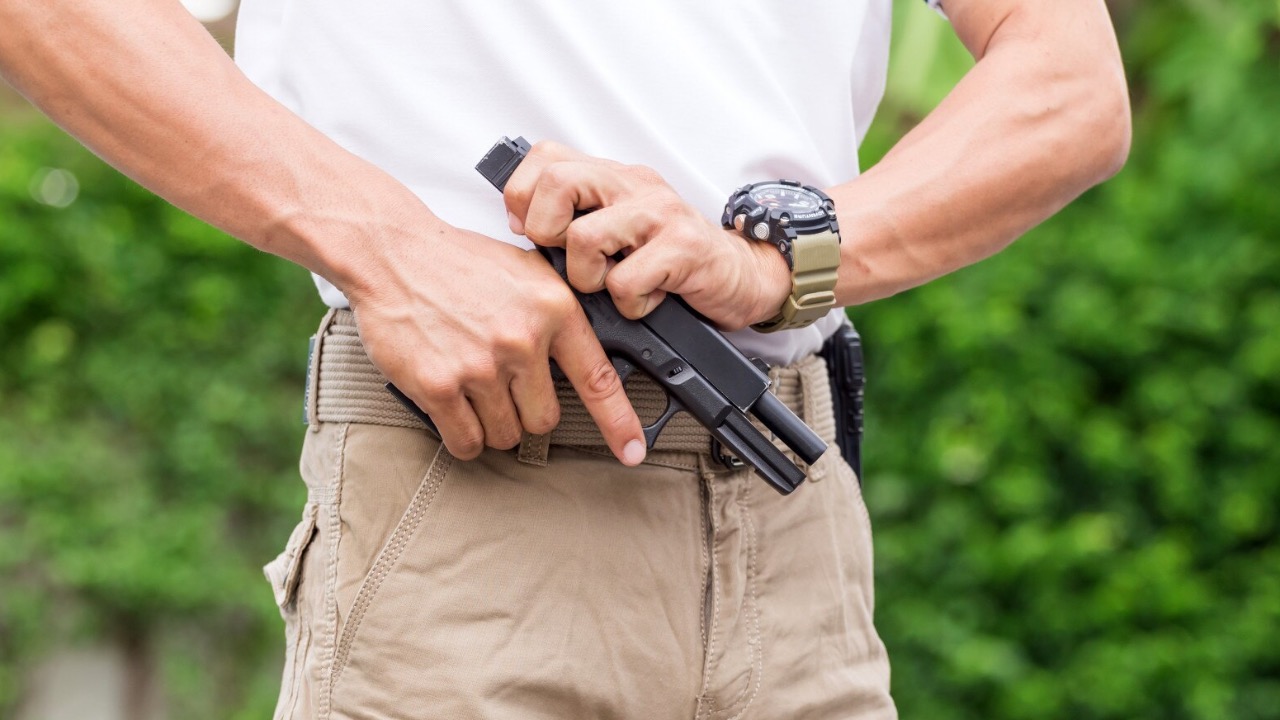
If a handgun can’t run every time you press the trigger, nothing else matters much. Reliability sits at the top of the list because concealed carry doesn’t leave room for uncertainty. Dust, sweat, lint, and temperature swings all show up in real carry conditions, and the gun has to keep working through it.
You’ll want a design with a long track record and proven performance across different ammunition types. Some pistols are picky with lighter loads or hollow points, while others eat whatever you feed them. When you’re trusting a carry gun, consistency across conditions matters more than any feature on a spec sheet.
Concealability and Real-World Size
A handgun that prints through your shirt or feels like a brick on your belt tends to stay at home more than it should. Size and profile matter because you’re more likely to carry something that disappears into your daily routine without constant adjustment.
Slimmer frames and shorter barrels usually make carry easier, especially in warm weather or with lighter clothing. That said, going too small can make the gun harder to control. You’re always balancing concealment with shootability, and the right size is the one you’ll actually keep on you.
Caliber That Matches Your Comfort Level
Caliber debates never really end, but what matters most is how well you can control the gun you choose. Common defensive rounds like 9mm have become popular because they offer manageable recoil and solid performance in modern loads.
Heavier calibers can bring more recoil and slower follow-up shots, which may not help in a fast, close encounter. On the other hand, lighter options can be easier to carry and shoot but may trade off some energy on target. The goal is a round you can shoot accurately and confidently under stress.
Trigger Quality and Predictability
The trigger plays a bigger role in accuracy than most people expect. A clean, predictable break helps you stay on target when things speed up. Heavy, inconsistent triggers can throw off even experienced shooters.
Striker-fired systems are common in carry pistols for a reason—they tend to offer a consistent pull from shot to shot. Still, not all triggers feel the same, and some are noticeably smoother than others. What you want is a trigger that doesn’t surprise you and resets in a way you can feel without thinking about it.
Magazine Capacity and Reload Planning
Capacity matters, but not in isolation. More rounds can give you breathing room, but it often comes with a larger grip and added bulk. That can affect concealment and comfort, especially for all-day carry.
Most modern carry pistols land in a range that balances size and capacity well enough for defensive use. It’s also worth thinking about reloads, even if they’re unlikely in a real encounter. A spare magazine carried properly can offset lower capacity without forcing you into a larger frame.
Sights and Optics Readiness
Good sights make a difference the moment you draw. Traditional iron sights still work, but many shooters are moving toward optics-ready pistols for faster target acquisition in varied light.
A red dot can help you pick up the target quicker once you’re trained on it, especially under pressure. The key is consistency in what you choose. Switching between sighting systems without practice can slow you down. Whether you stick with irons or add an optic, clarity and speed matter more than complexity.
Grip Fit and Ergonomics
How a handgun fits your hand affects everything from recoil control to accuracy. If the grip doesn’t line up naturally, you’ll fight it every time you shoot.
Texture matters too. Too smooth and the gun shifts under recoil. Too aggressive and it becomes uncomfortable during long carry days. You’re looking for a grip that locks in your hand without tearing up your side or requiring constant adjustment. Small changes in grip angle and shape can make a noticeable difference in control.
Recoil Control and Follow-Up Shots
A carry gun isn’t just about the first shot. How fast you can get back on target matters just as much. Recoil control comes down to a mix of weight, grip design, and how the gun cycles.
Heavier slides and well-balanced frames tend to soften recoil, but they can add bulk. Lighter pistols are easier to carry but may snap more in the hand. The goal is a setup that lets you fire controlled, accurate follow-up shots without losing sight of your target or your grip.

Asher was raised in the woods and on the water, and it shows. He’s logged more hours behind a rifle and under a heavy pack than most men twice his age.