Vietnam War Gunship Known as ‘Puff, the Magic Dragon’ for Its Streams of Red Tracer Fire Resembling a Mythical Creature
During the Vietnam War, one of the most unusual—and unforgettable—aircraft ever deployed by the U.S. military earned a nickname that sounded almost whimsical: “Puff, the Magic Dragon.”
But behind the name was a weapon system that left a powerful impression on anyone who saw it in action.
What “Puff, the Magic Dragon” Actually Was
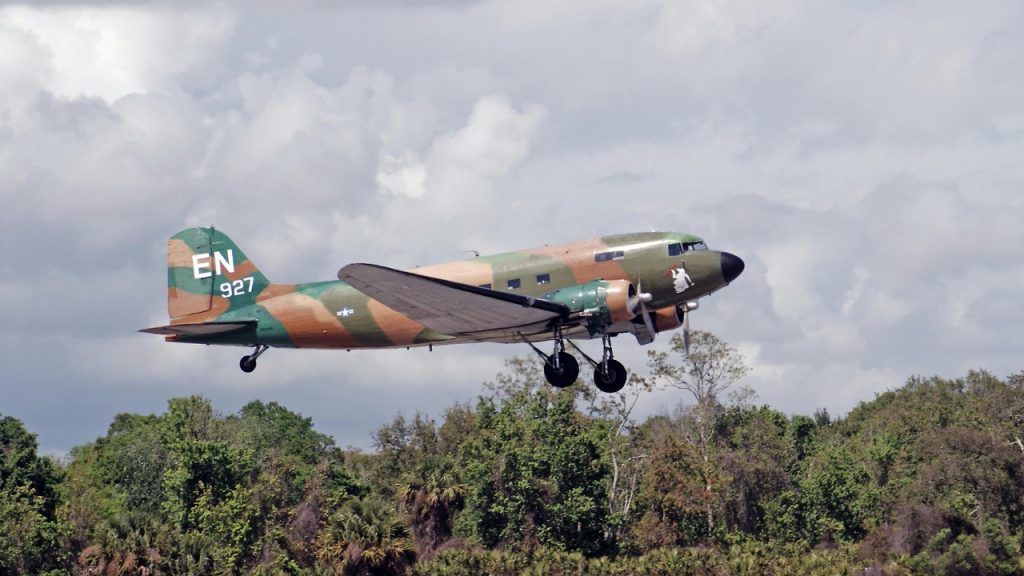
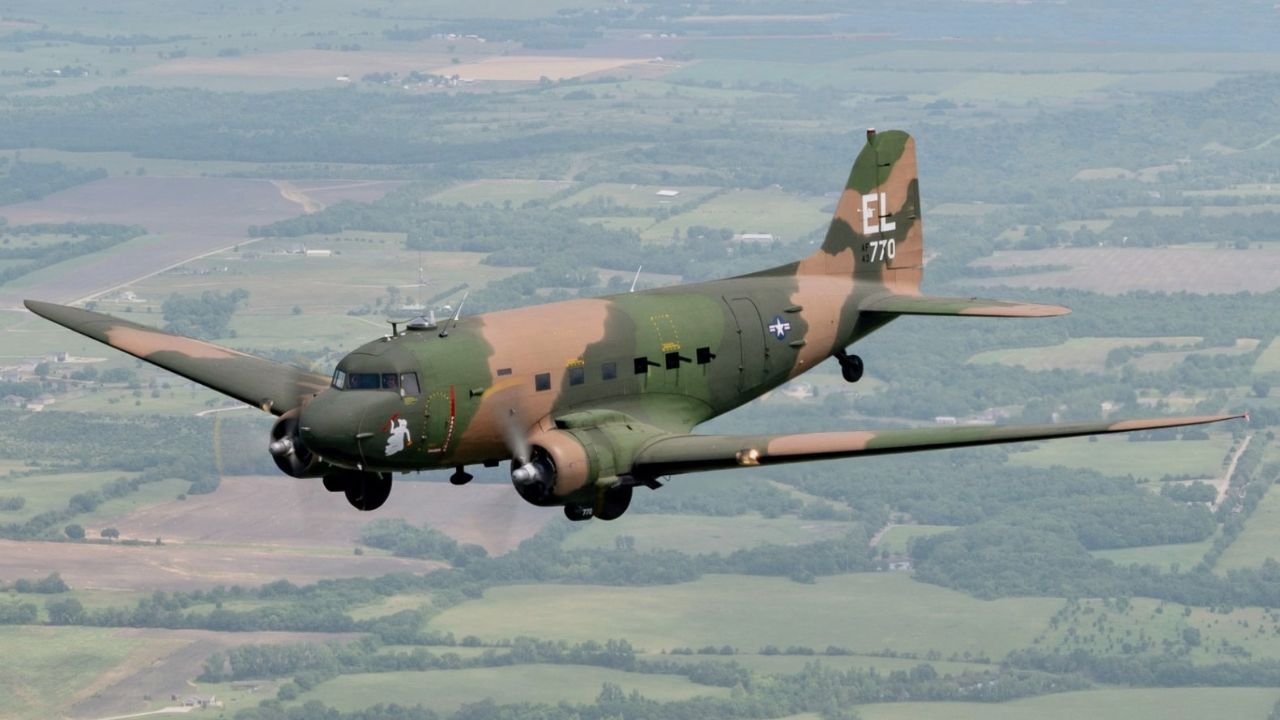
“Puff” was the nickname given to the Douglas AC-47 Spooky, a modified transport plane turned into a heavily armed gunship.
Originally based on the Douglas C-47 Skytrain, the AC-47 was outfitted with side-mounted miniguns capable of delivering continuous fire while circling a target.
Why It Looked Like a “Dragon”
The nickname came from what the aircraft looked like at night.
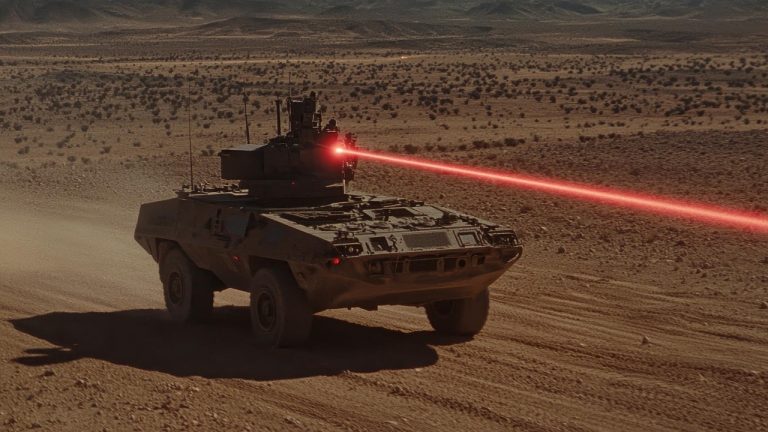
As the AC-47 orbited above a target, its guns fired streams of red tracer rounds that arced downward in a continuous spiral.
To observers on the ground, it looked like:
- a glowing stream of fire
- circling from the sky
- almost like a creature breathing flames
That visual effect is what led troops to call it “Puff, the Magic Dragon,” referencing the popular 1960s song.
How the Gunship Was Used
The AC-47 played a key role in close air support missions during the Vietnam War.
It was especially effective for:
- defending outposts and villages at night
- providing sustained fire over enemy positions
- supporting troops under attack
Because it could circle a target continuously, it offered something unique: constant, precise firepower in one area for extended periods.
Why It Was So Effective
The AC-47’s design allowed it to deliver a level of sustained fire that was difficult to match at the time.
- It could fire thousands of rounds per minute
- Its circular flight pattern kept weapons aimed at the same point
- It provided immediate support without needing repeated attack runs
For troops on the ground, the arrival of a gunship often meant immediate relief in dangerous situations.
A Psychological Impact as Well
Beyond its physical effect, “Puff” had a strong psychological impact.
For friendly forces, it was often seen as a lifesaver.
For opposing forces, the sight of continuous tracer fire raining down from above could be intimidating—especially at night, when the aircraft itself was harder to see.
The Legacy of “Puff”
The AC-47 was the first in a line of U.S. gunships that would later include more advanced aircraft like the AC-130.
While newer systems improved on its technology, “Puff” remains one of the most iconic early examples of the gunship concept.
The Bigger Picture
“Puff, the Magic Dragon” stands out not just because of its nickname, but because of what it represented: a shift in how airpower could be used to support troops on the ground.
It combined visibility, persistence, and firepower in a way that made it unforgettable—both for those who depended on it and those who encountered it.
And decades later, the image of a circling aircraft painting the night sky with red arcs of light is still one of the most recognizable visuals from the Vietnam War.

Leo’s been tracking game and tuning gear since he could stand upright. He’s sharp, driven, and knows how to keep things running when conditions turn.