
Felon-in-Possession Ban Challenged at Supreme Court Again: Could This Be the Big One?
A long-standing federal gun law is back in the spotlight as another case challenging the “felon-in-possession” ban works its way toward the highest court in the country—raising the possibility of a major shift in how the Second Amendment is interpreted.
The law in question—18 U.S.C. § 922(g)(1)—makes it illegal for people convicted of felonies to possess firearms. It’s one of the most widely enforced federal gun restrictions, but it’s now facing renewed legal scrutiny.
What the Law Does
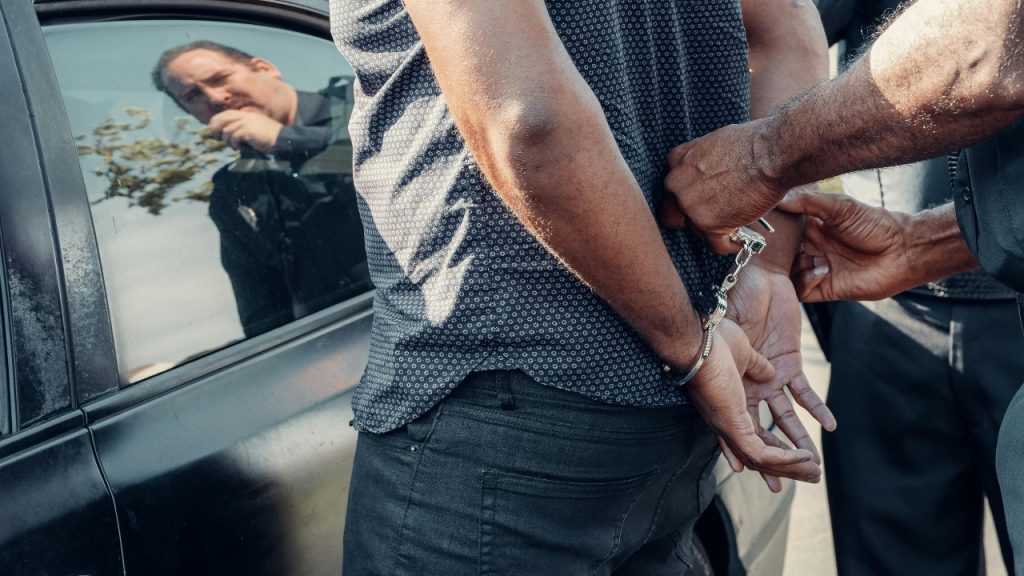
The felon-in-possession statute has been in place for decades and is generally upheld as a core part of federal firearm regulation.
It applies broadly to:
- individuals convicted of felony offenses
- some non-violent offenders
- people whose convictions may be decades old
Violations can carry significant prison sentences, making it one of the most serious firearm-related charges in federal court.
Why It’s Being Challenged Now
Recent Supreme Court decisions—especially New York State Rifle & Pistol Association v. Bruen—have changed how courts evaluate gun laws.
Under the “Bruen test,” courts now focus on whether modern gun restrictions are consistent with the nation’s historical tradition of firearm regulation.
That shift has opened the door to new arguments that:
- broad bans on all felons may not align with historical precedent
- non-violent offenders could be treated differently under the Constitution
- lifetime prohibitions may be overly broad
Lower Courts Are Divided
Federal courts across the country have started to split on how to apply this new standard.
Some rulings have:
- upheld the ban as consistent with historical restrictions
- struck down the law in specific cases involving non-violent offenders
- called for a more tailored approach instead of a blanket prohibition
One of the most closely watched cases is Range v. Attorney General, where a federal appeals court ruled that a non-violent offender could not automatically be barred from firearm ownership.
Why This Could Reach the Supreme Court
Because different courts are reaching different conclusions, legal experts say the Supreme Court may step in to resolve the conflict.
When federal circuits disagree on constitutional issues, it often increases the chances that the Court will take up a case to create a nationwide standard.
If that happens, it could become one of the most significant Second Amendment cases in years.
What Could Change
If the Court agrees to hear a case and rules broadly, several outcomes are possible:
- The law could be upheld as-is
- The ban could be narrowed to focus on violent offenders
- Courts could be required to evaluate cases individually instead of applying a blanket rule
- New legal tests could reshape how firearm restrictions are reviewed
Any of these outcomes would have wide-reaching effects on federal law enforcement and gun policy.
Why This Is Getting So Much Attention
The case touches on a core legal question:
Can the government permanently remove a constitutional right from someone based on a past conviction—especially a non-violent one?
That question has become more prominent as courts re-examine long-standing laws under new constitutional standards.
The Bigger Picture
The felon-in-possession ban has been a cornerstone of federal gun law for decades.
Now, with shifting legal frameworks and growing challenges, it’s facing one of its most serious tests yet.
If the Supreme Court takes up the issue, the decision could redefine not just this law—but how courts approach gun rights and restrictions across the country.

Leo’s been tracking game and tuning gear since he could stand upright. He’s sharp, driven, and knows how to keep things running when conditions turn.