Private Eddie Slovik Executed by Firing Squad on Jan. 31, 1945, the Only American Soldier Put to Death for Desertion in World War II
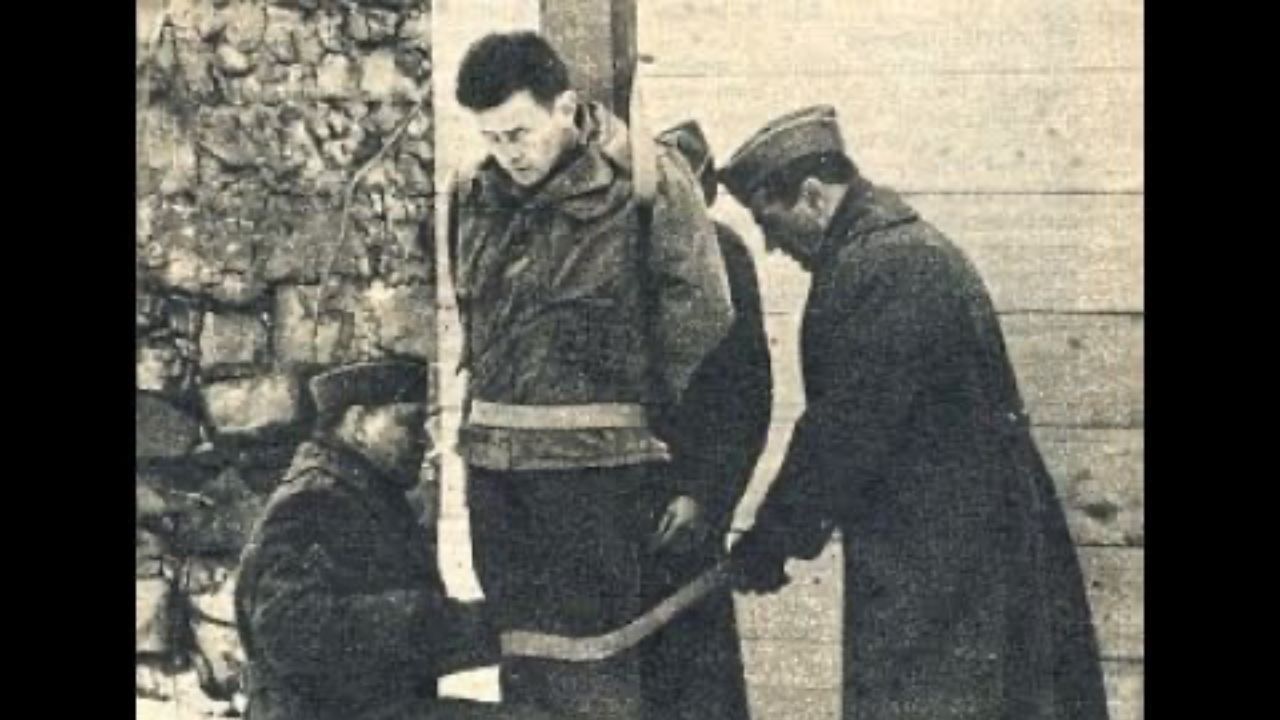
On January 31, 1945, Eddie Slovik was executed by firing squad in France, becoming the only American soldier put to death for desertion during World War II.
His case remains one of the most debated examples of military justice in U.S. history—less because desertion was rare, and more because the punishment he received was.
Who He Was
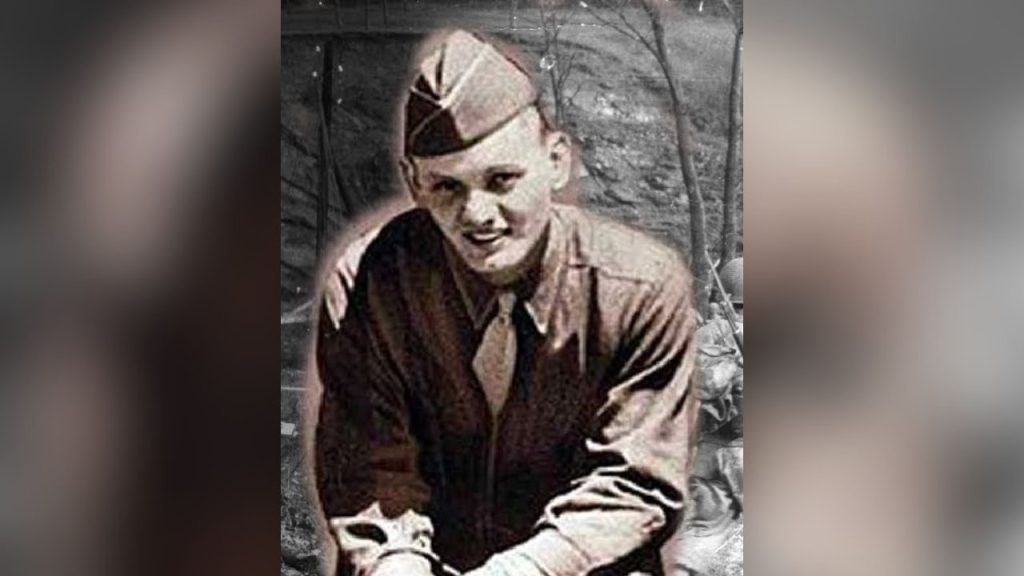
Slovik was a draftee from Michigan who joined the U.S. Army in 1944 and was sent to Europe during some of the most intense fighting of the war.
After becoming separated from his unit in France, he was reassigned—but made it clear he did not want to return to frontline combat.
The Decision That Changed Everything
Instead of attempting to rejoin his unit, Slovik took a step that set his case apart:
- He openly told officials he would not fight
- He put that refusal in writing
- He stated he expected to be punished, even imprisoned
At the time, many soldiers who went absent were returned to duty. Slovik’s case was different because he explicitly refused to serve, even when given chances to do so.
Court-Martial and Sentence
Slovik was court-martialed in late 1944 and convicted of desertion.
While thousands of U.S. troops were charged with similar offenses during the war, very few faced the death penalty—and almost none had it carried out.
His sentence moved through the chain of command for review before being approved.
Why He Was Executed
Military leaders ultimately allowed the execution to proceed, largely because of the situation at the time:
- U.S. forces were engaged in heavy fighting in Europe
- Desertion rates had increased during intense combat
- Commanders believed a severe penalty would act as a deterrent
His case was seen as an opportunity to send a message about discipline under wartime conditions.
The Execution
On January 31, 1945, Slovik was executed by a firing squad in France.
He was buried overseas, and his remains were later returned to the United States years after the war.
Why His Case Still Stands Out
Slovik’s case is unique because:
- He was the only U.S. soldier executed for desertion in WWII
- Thousands of others convicted of desertion were not executed
- His punishment remains controversial decades later
Critics argue the penalty was disproportionate, especially given how many similar cases ended differently. Others argue it reflected the extreme pressures of wartime command.
The Bigger Picture
The story of Eddie Slovik highlights the difficult balance between maintaining discipline and administering justice during war.
While desertion was not uncommon, his case shows how military leaders sometimes used extreme measures to try to maintain order in extraordinary circumstances.
And decades later, it continues to raise the same question:
how far should military authority go in enforcing discipline during war?

Leo’s been tracking game and tuning gear since he could stand upright. He’s sharp, driven, and knows how to keep things running when conditions turn.