New York Lake Ranks Among the Most Snake-Dense in the Northern United States
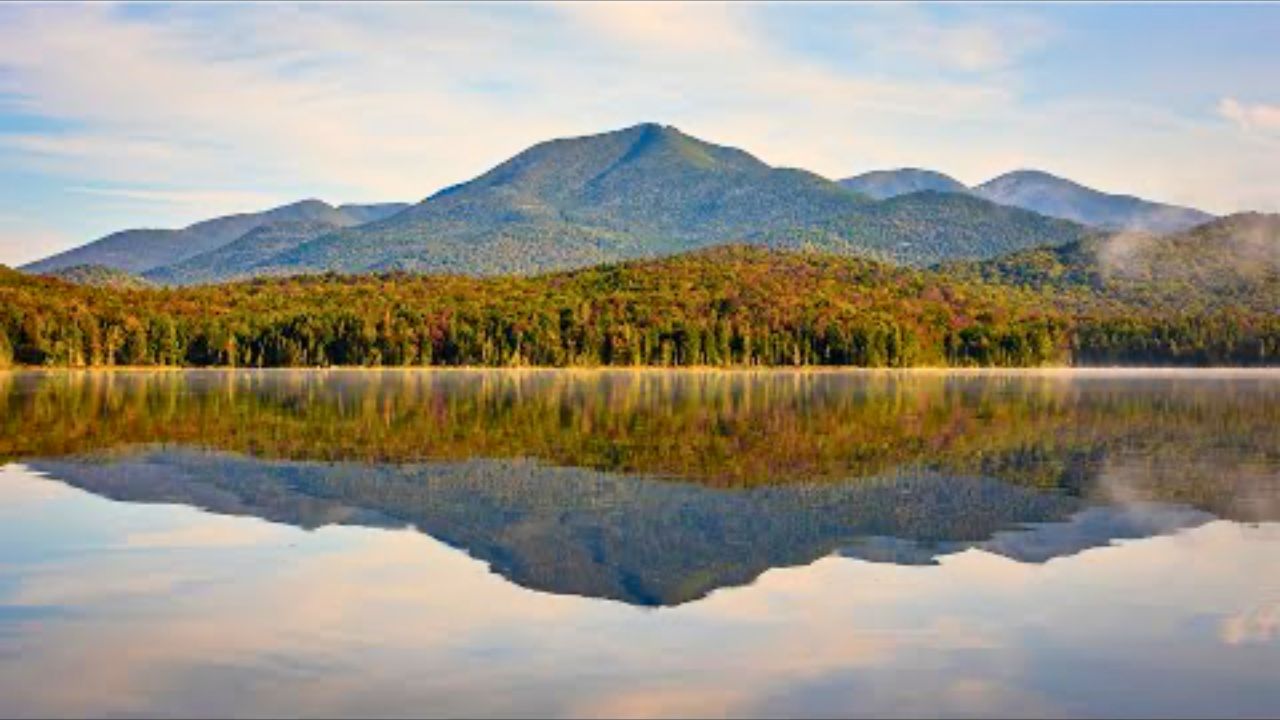
A lake in upstate New York’s Adirondack region has recently been highlighted as one of the more snake-dense waterways in the northern United States. The attention comes from regional wildlife reporting that points to unusually active snake populations around interconnected lakes and shoreline wetlands.
The focus isn’t on a single “dangerous” lake, but rather on how certain New York waterways support higher concentrations of snakes compared to other northern states. Areas like the Saranac Lakes region are often mentioned because of their mix of water, marshland, and forest edges that create ideal habitat conditions for multiple species.
Why snakes are common around these lakes
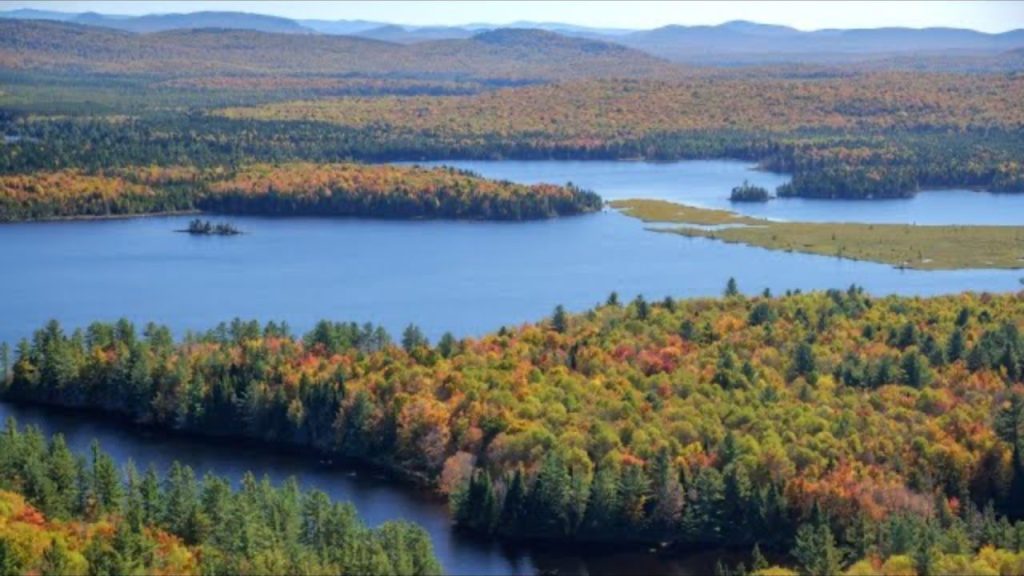
The main reason these lakes show higher snake activity is simple: food and shelter. Fish, frogs, and small aquatic animals are abundant in these ecosystems, and that attracts species like northern water snakes and garter snakes that rely on those food sources.
Shoreline vegetation, fallen logs, and shallow coves also give snakes places to hide and regulate their body temperature. In warmer months, they often move closer to the water’s edge, which increases the chances of sightings for hikers, swimmers, and campers in the region.
Species most commonly found in the area
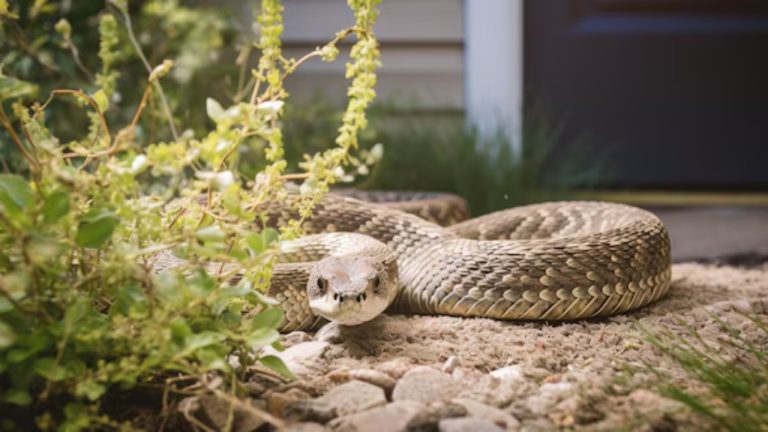
Most snakes seen around New York lakes are non-venomous species that are adapted to wet environments. The most common include northern water snakes, garter snakes, and smaller brown snake species that prefer damp ground near shorelines.
Reports also note that while venomous species exist in New York, such as rattlesnakes in limited areas, they are not typically associated with busy lake shorelines. The majority of lake-dwelling snakes are harmless to humans and play a role in controlling local fish and amphibian populations.
Saranac Lakes and surrounding Adirondack habitat
The Saranac Lakes region in the Adirondacks is often referenced in discussions about snake-heavy waterways. The interconnected lakes, rivers, and wetlands create a continuous habitat where snakes can move easily between feeding and basking areas.
This region supports a mix of species because it combines shallow water, forest cover, and marshy zones. That combination makes it one of the more active reptile environments in the state, especially during late spring and summer when temperatures rise and prey becomes more active.
Why sightings seem to be increasing
Some reports suggest that snake sightings around New York lakes have increased in recent years. Part of that is tied to warmer seasonal temperatures, which extend the active period for reptiles and encourage them to spend more time near shorelines.
Another factor is visibility. As more people visit lakes for recreation, there are simply more chances for encounters. Snakes haven’t necessarily “exploded” in population everywhere, but human activity around their habitats makes sightings more common and more widely reported.
What this actually means for visitors
Despite the attention-grabbing label of “snake-dense,” most experts emphasize that these lakes are not dangerous in the way people often assume. The majority of species found there are non-venomous and avoid human contact whenever possible.
Encounters usually happen by accident, often when snakes are basking in the sun or moving through shallow water. For visitors, the main takeaway is awareness rather than fear — watching where you step, avoiding tall vegetation near shorelines, and not disturbing wildlife are usually enough to prevent problems.
Bottom line on the lake’s reputation
The “snake-dense” label is more about ecology than danger. New York’s lakes, especially in the Adirondacks, simply provide ideal conditions for reptiles to thrive. That’s a sign of a functioning ecosystem, not a warning sign for visitors.
While the phrase may sound intense, the reality is more ordinary: snakes are part of the natural balance of these lake environments, and most people visiting them will never have more than a brief, harmless encounter.

Leo’s been tracking game and tuning gear since he could stand upright. He’s sharp, driven, and knows how to keep things running when conditions turn.