Drought Conditions Continue to Impact Waterfowl Migration in Key Flyways
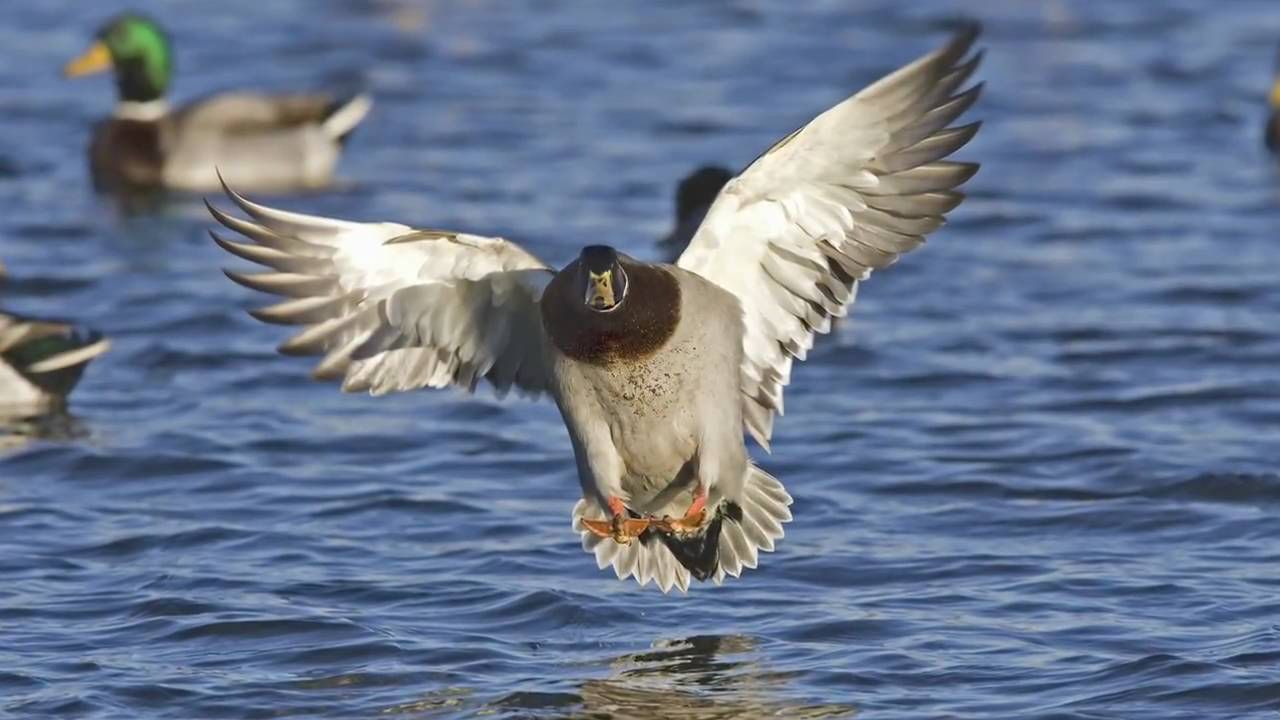
Ongoing drought conditions across major North American flyways are continuing to affect how and where waterfowl migrate. From the Central to the Mississippi and even parts of the Atlantic Flyway, reduced water levels and limited wetland habitat are changing patterns that hunters and biologists have tracked for decades.
Instead of steady, predictable movement south, many birds are delaying migration or stopping short of traditional wintering grounds. These shifts aren’t random — they’re directly tied to how much water and food is available along the way, which has been inconsistent in recent seasons.
Why drought is such a big deal for migration
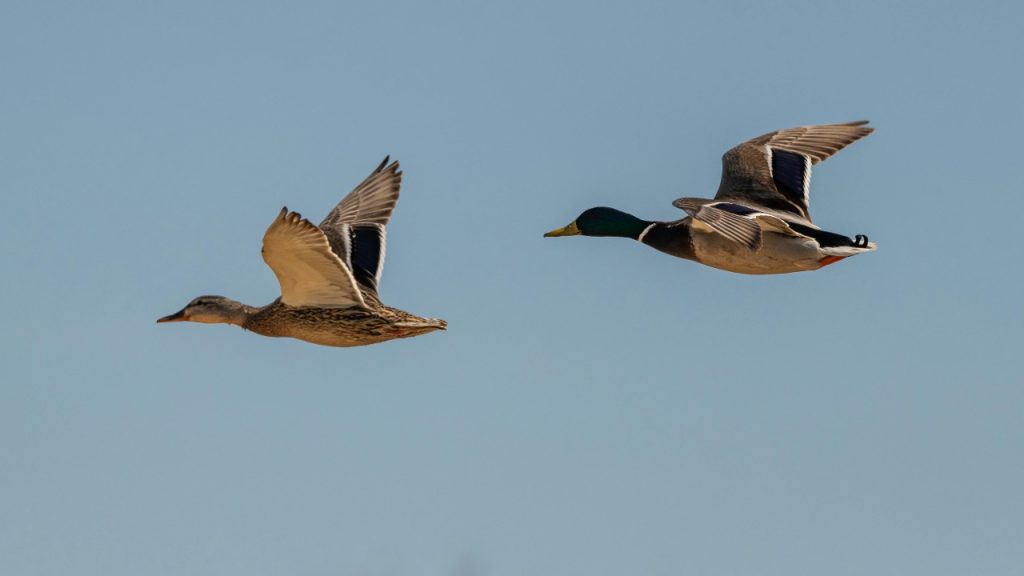
Waterfowl depend heavily on wetlands, shallow ponds, and flooded fields for feeding and resting during migration. When drought hits, those areas shrink or disappear completely, forcing birds to adjust quickly.
That means fewer reliable stopover points along the flyway. Birds may bunch up in the few areas that still have water, or skip regions entirely if conditions aren’t good enough. Over time, that can reshape migration routes that have stayed consistent for generations.
Delayed movement and uneven distribution
Recent reports show that warm, dry conditions have delayed migration across multiple flyways, especially in the central part of the country. Instead of pushing south early, birds are staying farther north longer and moving only when weather forces them to.
Even when they do move, the distribution has been uneven. Some areas see large concentrations of birds, while others that normally hold strong numbers come up nearly empty. This patchy movement has been one of the most noticeable changes tied to drought conditions.
Flyways are shifting, not just slowing
A flyway is basically a migration “highway” used by birds moving between breeding and wintering grounds. But those routes aren’t fixed — they adjust based on habitat conditions, weather, and food availability.
Research and field observations are showing that some species are starting to winter farther north than they used to. In certain cases, birds have shifted their average winter locations by dozens or even hundreds of miles, partly due to changing water conditions and milder weather patterns.
Impact on key regions
The Central and Mississippi Flyways have been hit especially hard by drought, with some areas seeing almost no natural flooding during the season. That lack of water has reduced available habitat and made it harder for birds to settle in traditional spots.
In the Atlantic Flyway, early-season drought and warm temperatures also delayed migration and limited wetland availability. Some birds bypassed usual areas entirely, moving farther along the coast or concentrating in regions with better conditions.
What this means going forward
If drought conditions continue, these changes could become more permanent. Waterfowl are highly adaptable, but they will keep adjusting to wherever the best habitat exists. That means long-term shifts in migration timing, location, and population distribution are all possible.
For now, everything depends on weather patterns. Late-season storms, snow, and rainfall can still improve conditions and push birds into traditional areas. But without consistent water levels, the days of predictable migration patterns may continue to fade.

Leo’s been tracking game and tuning gear since he could stand upright. He’s sharp, driven, and knows how to keep things running when conditions turn.