Supreme Court Prepares to Rule on Key Challenges to Federal Gun Restrictions for Drug Users
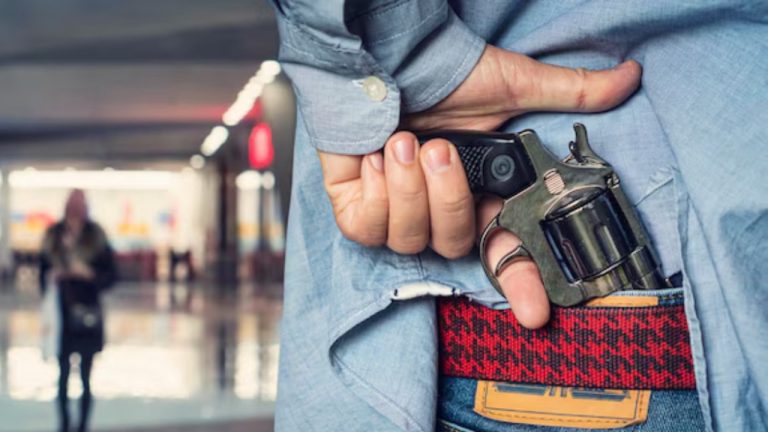
The Supreme Court stands at a crossroads with a case that could reshape how federal law treats gun ownership for people who use controlled substances. At issue is a longstanding prohibition under 18 U.S.C. § 922(g)(3), which bars anyone who is an “unlawful user” of or addicted to drugs from possessing firearms. Oral arguments in United States v. Hemani took place in early March 2026, and the justices appeared broadly skeptical of applying the ban to regular users who aren’t intoxicated at the moment they hold a gun. A decision is expected by summer.
You might wonder how this fits into the bigger picture of Second Amendment law after the Court’s 2022 ruling in New York State Rifle & Pistol Association v. Bruen. That decision requires gun restrictions to align with the nation’s historical tradition. The upcoming opinion could clarify whether drug-use bans meet that standard or sweep too broadly in an era when marijuana laws have relaxed in many states.
The Federal Law at the Center of the Dispute
Congress added this restriction in the Gun Control Act of 1968. It targets people actively using illegal drugs or struggling with addiction, aiming to keep firearms away from those seen as higher risks. Prosecutors have used it in thousands of cases over the decades, including high-profile ones like the conviction of Hunter Biden.
In practice, the law doesn’t require proof that someone was high when they picked up the gun. Admission of regular use, even occasional, can trigger charges if agents find a firearm during a search. Lower courts split on its constitutionality after Bruen, with the Fifth Circuit ruling against broad application in cases like Hemani’s. This sets up the Supreme Court’s review of whether the ban holds up under modern Second Amendment scrutiny.
Inside the Hemani Case from Texas
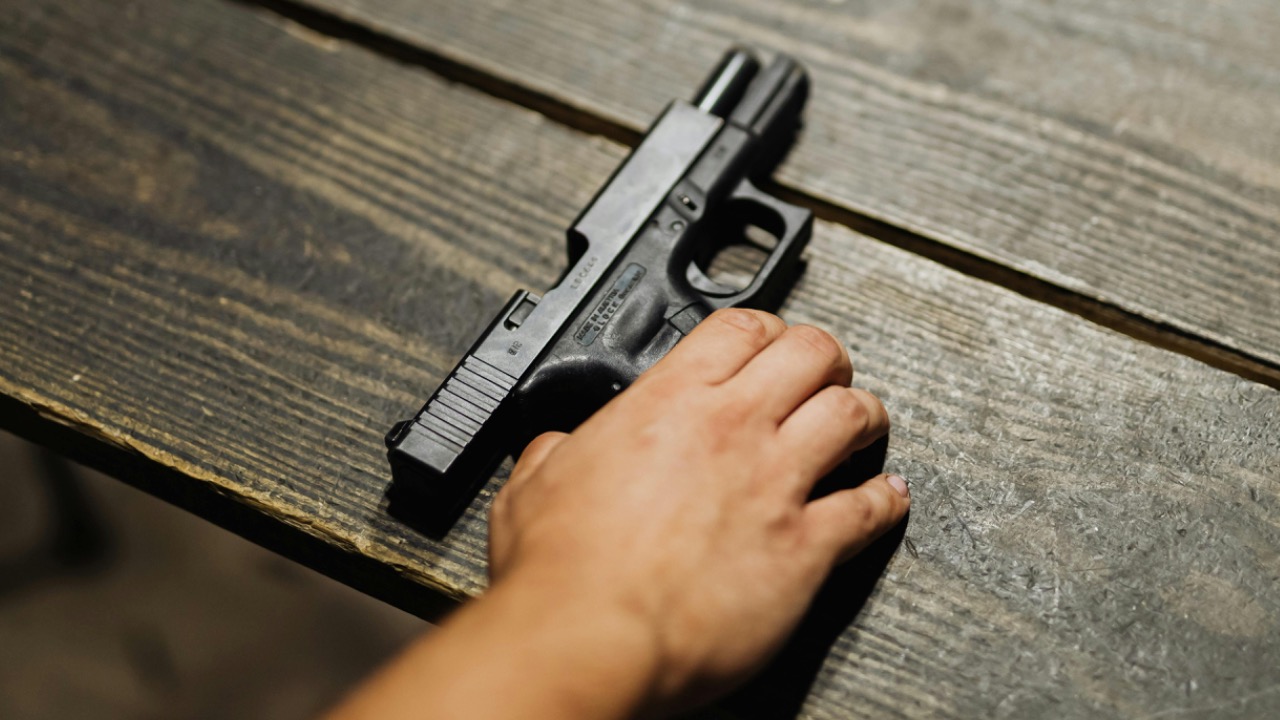
Ali Danial Hemani faced charges after federal agents searched his family’s home in the Dallas area in 2022. They discovered a legally purchased Glock pistol along with small amounts of marijuana and cocaine. Hemani told investigators he used marijuana roughly every other day. No one alleged he was under the influence at the time of possession.
The district court dismissed the gun charge, and the Fifth Circuit agreed, finding the law unconstitutional as applied to him. The Justice Department appealed, arguing the ban serves important safety goals. Hemani’s lawyers countered that it violates his right to keep and bear arms without sufficient historical backing. The case has drawn attention because it involves everyday marijuana use rather than severe addiction or violent crime.
What Happened During Oral Arguments
Justices from across the ideological spectrum pressed the government’s lawyer on the breadth of the prohibition. Several questioned whether historical laws disarming “dangerous” people truly match a flat ban on all unlawful users, even those not currently impaired. Concerns arose about turning millions of marijuana users into felons overnight for otherwise lawful gun ownership.
The defense side emphasized that temporary or occasional use shouldn’t strip away core constitutional protections. Some justices explored narrower alternatives, like limiting the ban to times of actual intoxication or proven addiction. The two-hour session left observers with the sense that a majority leans toward limiting or striking the law’s application in cases like this one.
How This Connects to Changing Marijuana Laws
Many states have legalized or decriminalized marijuana, creating tension with federal rules that still treat it as a controlled substance. You could own a gun legally in your state for recreational cannabis use yet face federal charges if prosecutors learn about it. This mismatch affects everyday people who follow state law but run afoul of national statutes.
The Supreme Court ruling might force a reckoning with that divide. A decision favoring Hemani could open the door for lawful gun owners in legal-weed states to breathe easier, while leaving room for the government to target heavier substance issues. It highlights the lag between evolving public attitudes toward cannabis and rigid federal firearms policy.
Historical Tradition and the Bruen Framework
After Bruen, courts must find relevant historical analogues for modern gun limits. Supporters of the drug-user ban point to old laws disarming the mentally ill or those who “go armed” while drunk. Critics say those examples don’t cover sober individuals who admit to occasional drug use.
You see the challenge clearly here. The justices spent time debating how closely analogues must match. If the Court demands tight historical parallels, broad categorical bans face tougher sledding. This approach has already invalidated other restrictions, pushing lawmakers and prosecutors to justify limits more carefully with evidence from the founding era or Reconstruction.
Potential Impact on Gun Owners Nationwide
A ruling against the broad ban could affect millions who use marijuana recreationally while owning firearms for self-defense or sport. Federal background checks and form questions about drug use might lose some teeth, at least for non-addicted users. States with strict gun laws might respond with their own measures.
At the same time, the decision probably won’t eliminate all restrictions. The Court could craft language allowing prosecutions for active impairment, trafficking, or severe addiction. This middle path would protect casual users without leaving doors wide open to genuine risks, though drawing those lines will spark further litigation.
Unusual Alliances in the Legal Fight
Gun rights groups like the NRA joined civil liberties organizations such as the ACLU in opposing the federal ban’s reach. Both sides see overcriminalization risks in a law that can ensnare people who pose no immediate threat. The Trump administration, generally supportive of Second Amendment claims, defended the restriction on public safety grounds.
This crossover shows how drug policy, criminal justice reform, and gun rights intersect in complicated ways. Traditional opponents found common cause arguing that the government shouldn’t disarm large swaths of the population based on status alone rather than specific dangerous conduct.
What the Ruling Could Mean for You
If you use marijuana occasionally and keep a firearm at home, pay close attention when the opinion drops. It might remove a federal cloud over your rights, especially if you live in a state where cannabis is legal. Still, consult local laws and a lawyer, because details matter and enforcement can vary.
Broader conversations about addiction, mental health, and responsible ownership will continue regardless. The Court tends to issue measured decisions in these areas, balancing individual liberties with legitimate government interests. Whatever comes down this summer will likely guide lower courts and policymakers for years on where drug use crosses into disqualifying someone from exercising Second Amendment rights.

Asher was raised in the woods and on the water, and it shows. He’s logged more hours behind a rifle and under a heavy pack than most men twice his age.