Guns That Wear Out Long Before the Hunter Does
Every hunter owns a firearm that seems built for the long haul—tight lockup, smooth cycling, and a promise that it’ll last through decades of hard seasons. But some guns fool you. They feel solid early on, maybe even perform well for a few hunts, only to start loosening, breaking, or losing accuracy far sooner than they should. Rough internal parts, soft metals, and designs that don’t tolerate real field use catch up fast once the miles add up.
If you’ve ever watched your confidence in a rifle fade as the seasons rolled on, you know how disappointing it is. These guns have a habit of wearing out long before the hunter carrying them does.
Remington 742 Woodsmaster

The Remington 742 Woodsmaster earned a loyal following early in its life, but many rifles showed premature wear after only a few seasons of hard hunting. The locking lugs and receiver rails tend to peen over time, creating cycling issues that are expensive or impossible to fix. Hunters often notice extraction problems long before anything else fails.
As the wear progresses, accuracy drops sharply. Groups spread, and the bolt begins dragging during operation. Even rifles that were meticulously maintained eventually develop the same symptoms. It’s a rifle that performs well early on, but many owners discover its lifespan is shorter than expected for a semi-auto meant for the woods.
Remington 597 (.22 LR)
The Remington 597 looks like a dependable rimfire on the rack, but many owners find that wear shows up quickly. The twin guide-rail system is sensitive to fouling and soft spots in the rails themselves. Over time, the action begins to drag, and the bolt doesn’t return to battery cleanly. Cycling becomes inconsistent, especially with bulk ammunition.
Magazines are another weak point. Feed lips wear out sooner than they should, creating nose-dives and stovepipes. Once that starts happening, reliability deteriorates rapidly. While some rifles run longer than others, the platform generally doesn’t stand up to years of heavy field use the way other rimfires do.
Mossberg 500 (Early Budget Models)
The Mossberg 500 is a proven design, but the earliest budget configurations occasionally struggled with premature wear. Some of the older alloy receivers and action slide assemblies loosened faster than expected, especially when exposed to hard recoil or heavy field use. Hunters noticed rattling actions and sloppy forends sooner than they anticipated.
The shell lifter and cartridge stop also showed wear after high round counts. While the 500 design has since become one of the most reliable pump guns around, those early budget runs didn’t hold up to the same standard. Many hunters retired them early after parts loosened long before they wore out.
H&R Handi-Rifle (Magnum Chambers)
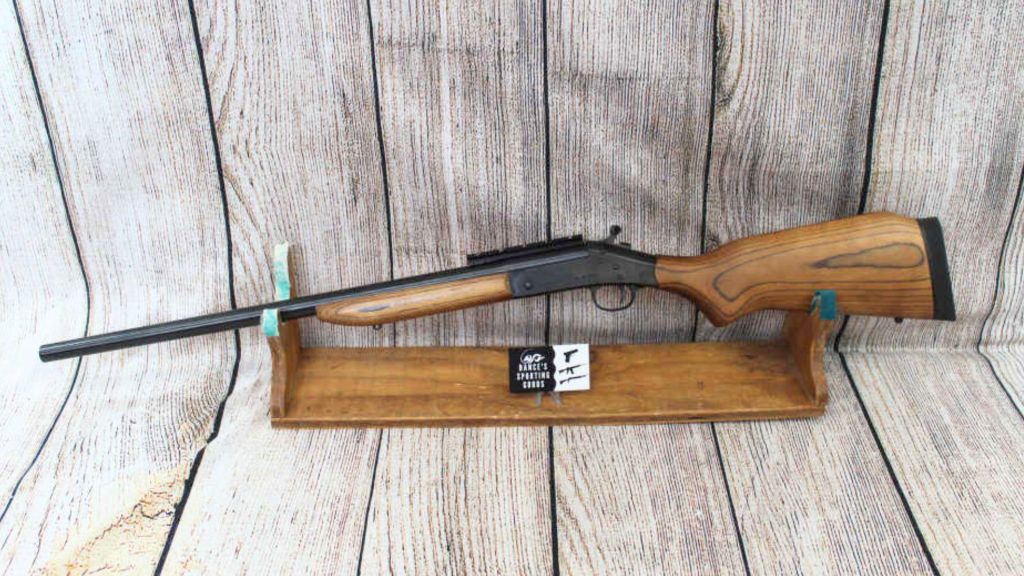
The H&R Handi-Rifle is simple, light, and easy to carry, but its lightweight design becomes a liability when chambered for magnum cartridges. Heavy recoil stresses the hinge pin, locking block, and firing system more than the rifle was really built to tolerate. After repeated shots, lockup can loosen, and accuracy begins to fade.
Hunters often notice misfires or delayed ignition as the firing pin mechanism wears. The rifle’s simplicity is a strength in some calibers, but in heavy chamberings, it wears out far faster than most people expect. Many hunters learn quickly that it shines with moderate rounds—but tire out too early with magnums.
Winchester Model 100
The Winchester Model 100 handles beautifully, but time hasn’t been kind to many of these rifles. The gas system wears faster than it should, especially with modern ammunition pressures. Carbon buildup accelerates wear on the piston and operating rod, leading to sluggish cycling and inconsistent performance.
The firing pin recall on these rifles highlighted deeper wear issues. Even after the fix, many rifles developed failure-to-fire problems as internal parts aged. Accuracy also deteriorates as receivers and gas blocks loosen. Hunters who took these rifles into the field for years often saw them tiring out long before they did.
Ruger American Rimfire (Early Production)
The Ruger American Rimfire eventually proved its worth, but early production rifles occasionally struggled with durability. The polymer stocks flexed more than expected under recoil or rough handling, which shifted pressure points against the barrel and affected accuracy. Repeated disassembly and reassembly caused bedding surfaces to wear quickly.
The bolt handles on some early rifles loosened over time, and the extractor tension weakened after extended use with dirty ammunition. These issues didn’t affect every rifle, but many early owners retired their rifles sooner than anticipated. Later revisions improved durability, but those first runs sometimes wore out under steady field use.
CVA Optima (Early Muzzleloader Versions)
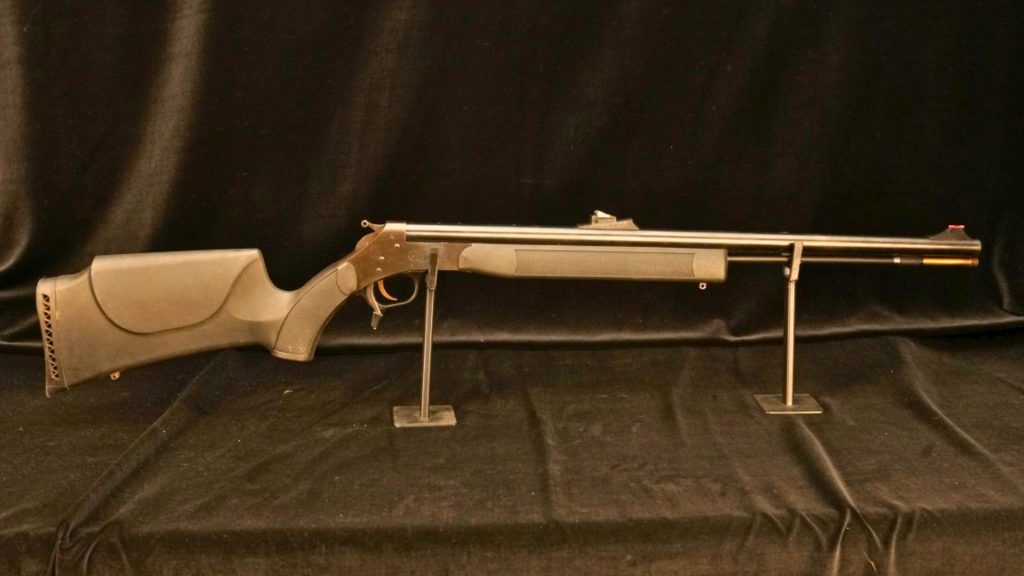
The early CVA Optima muzzleloaders performed well initially, but repeated high-pressure loads accelerated wear. Breech plug threads were prone to fouling and erosion, making them harder to remove over time. Hunters noticed inconsistent ignition once those parts began degrading.
The lightweight frame also transmitted recoil directly into locking surfaces, leading to increased wear on the hinge and barrel lug. This caused accuracy to drift and lockup to loosen sooner than expected. Modern Optimas are sturdier, but early versions often tired out well before their owners were ready to replace them.
Savage 340
The Savage 340 is a handy rifle, but its budget construction catches up with it. The stamped steel receiver and minimal bedding create pressure points that worsen over time. After seasons of recoil and rough carry, accuracy begins to slip. The bolt handle and extractor also wear quickly, leading to inconsistent ejection.
Hunters report that stocks—especially older hardwood ones—tend to warp when exposed to moisture, adding another layer of accuracy problems. While the rifle served plenty of hunters in its day, many found its lifespan shorter than expected compared to sturdier bolt guns.
SKS (Worn Surplus Variants)
The SKS is durable in many ways, but heavily used surplus rifles often show their age quickly in hunting conditions. Worn firing pins, weak springs, and sloppy gas systems create unreliable ignition and poor cycling in cold or dirty environments. These issues worsen rapidly once the rifle is exposed to real field stress.
Wood stocks on these rifles also warp, swell, or loosen, further degrading accuracy. Hunters hoping for a rugged, low-cost alternative often learn that heavily worn SKS rifles tire out early, especially when asked to perform consistently across multiple seasons.
Remington Model 7 (Early Triggers and Stocks)
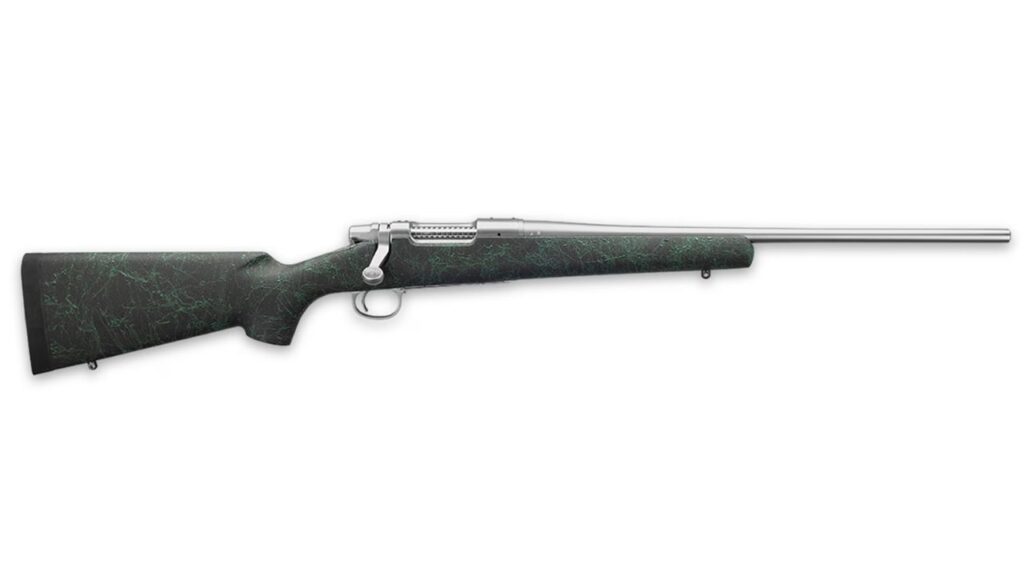
The Remington Model 7 is beloved for its compact design, but early versions sometimes struggled with long-term durability. The original triggers on some models developed gritty pull characteristics over time, affecting accuracy. Meanwhile, the lightweight synthetic stocks flexed enough to alter point of impact as the rifle aged.
Repeated recoil cycles and rough use caused some bedding surfaces to wear prematurely. While later versions improved significantly, the early run occasionally wore out before the hunter carrying it. Many owners eventually upgraded to rifles with stiffer stocks and updated triggers.
Stoeger 2000 (Early Inertia-Driven Shotguns)
The Stoeger 2000 attracted attention as a budget inertia-driven shotgun, but early models often wore out faster than expected. Bolt carriers and inertia springs fatigued quickly under heavy use, leading to misfeeds and sluggish cycling. Many hunters experienced issues long before the gun saw a significant round count.
The recoil-operated system demanded clean, well-lubricated internals, but repeated field conditions—mud, cold, and rain—accelerated wear. Those early models simply weren’t built with the durability of higher-end inertia guns. Hunters who took them into harsh environments found they broke down long before they did.
Marlin Model 60 (High Round Count Use)
The Marlin Model 60 is a beloved rimfire, but under heavy seasonal use, certain components wear quickly. The feeding mechanism and nylon buffer take the brunt of repeated cycling. Once those parts begin to break down, reliability drops sharply. Many hunters experience failures-to-feed or inconsistent ejection after a few seasons of heavy shooting.
The tubular magazine also develops wear, especially around the loading port and follower. While the rifle remains a favorite for casual plinking, hunters who rely on it daily often retire it earlier than expected due to parts fatigue. It’s reliable for moderate use—but it tires out faster under constant field pressure.

Leo’s been tracking game and tuning gear since he could stand upright. He’s sharp, driven, and knows how to keep things running when conditions turn.