
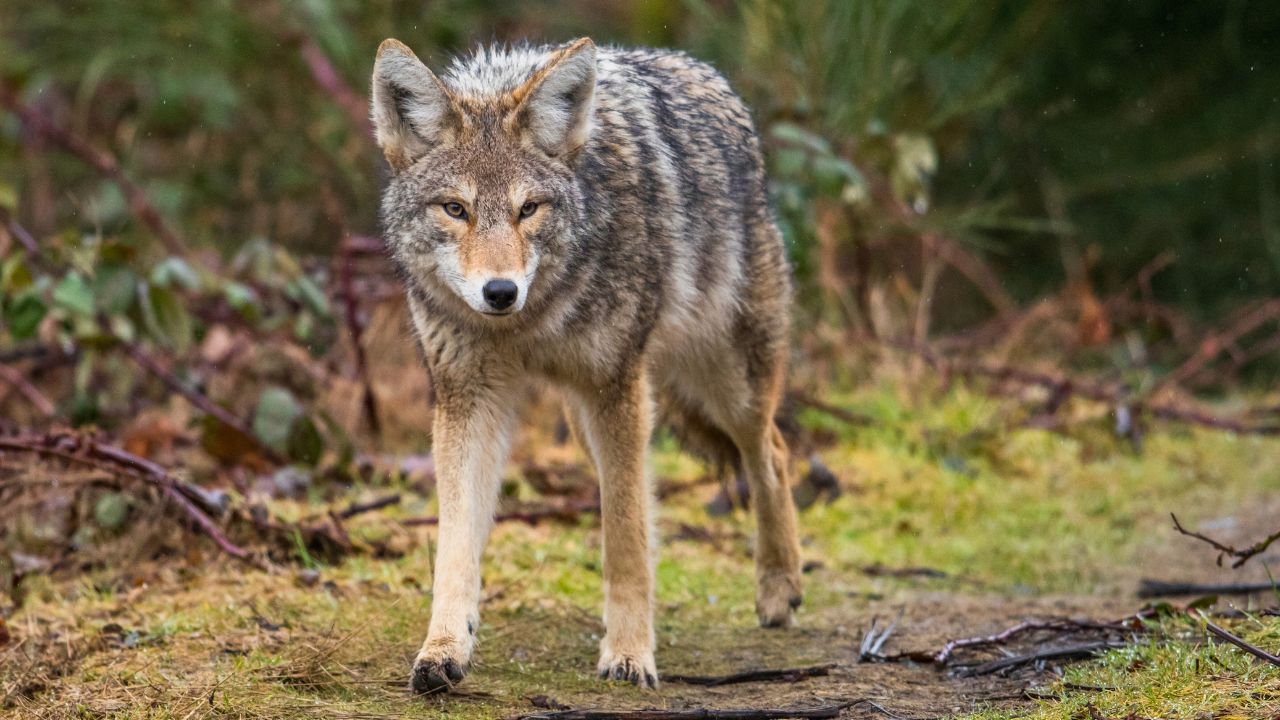
Coyote Hunting Habits That Don’t Work
Coyotes are smart. Smarter than most people give them credit for. They adapt fast. If you show up making the same mistakes every guy before you made, they’ll figure you out before you ever flip the safety off.
The coyotes that hit the dirt are the ones that get hunted right. The ones still standing are the ones that’ve heard every bad call, watched every bad setup, and learned what danger smells like.
If you keep coming home empty-handed, odds are you’re doing one of these things wrong.
Calling Too Long on One Stand
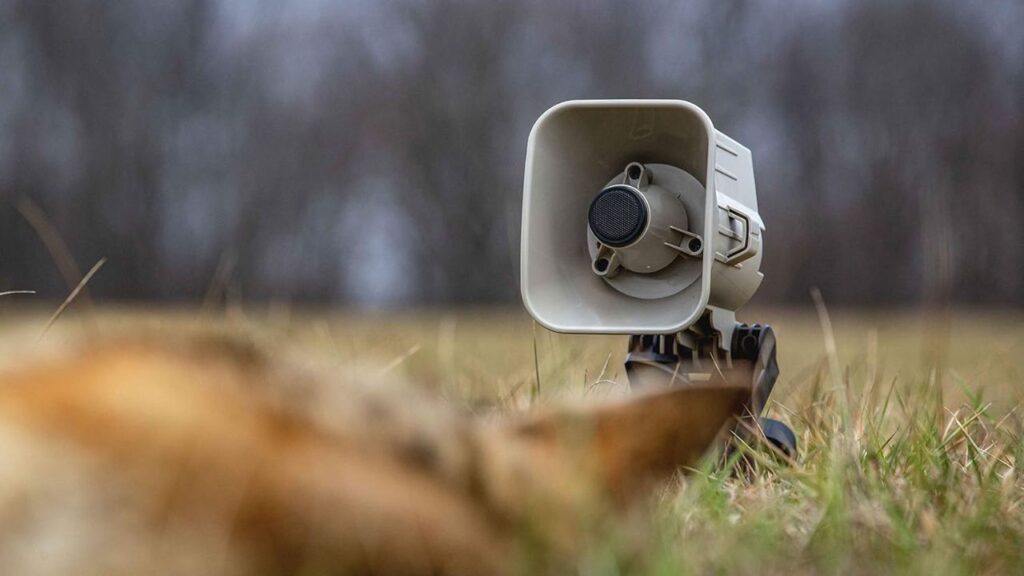
Sitting on one stand for 45 minutes to an hour blasting the same sounds isn’t doing you any favors. If a coyote was coming, he’d probably already be there.
The best hunters hit a spot hard for 10 to 20 minutes, then move. Coyotes cover ground fast. If they hear it and like it, they show up quick. If nothing’s coming, you’re wasting time educating animals that now know your game.
Starting Too Loud
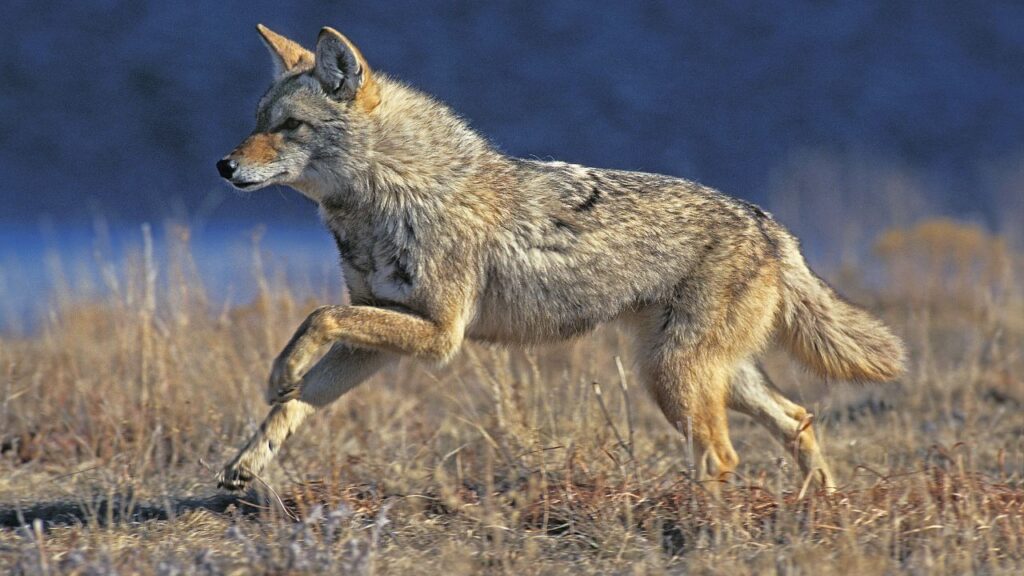
Blasting a distressed rabbit or coyote howl at full volume right out of the gate sends educated coyotes packing. They’ve heard it before, and they’re not falling for it.
Start soft. Open with low-volume sounds—field mice, subtle bird distress, or quiet howls. If nothing’s moving, ramp it up. Going full blast right away convinces every smart coyote within earshot to head the other direction.
Ignoring the Wind
Nothing kills a setup faster than ignoring wind. Coyotes won’t tolerate bad wind for more than a second. The second they get a whiff, it’s over.
If you’re not setting up with the wind in mind—crosswind or quartering—the hunt’s blown before it starts. It doesn’t matter how good your call sounds or how perfect the spot looks. If your scent’s in their nose, they’re gone.
Sitting Wide Open
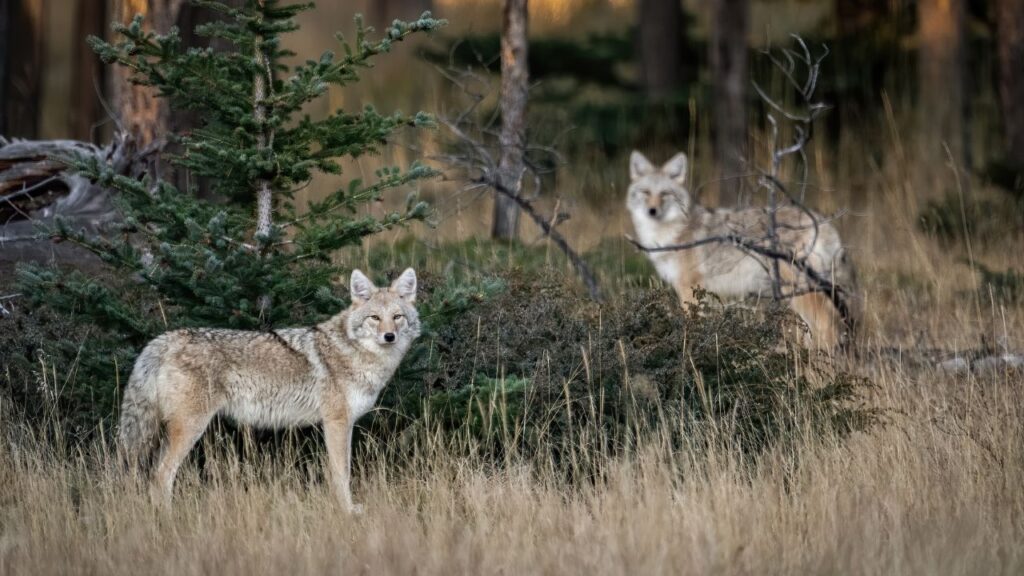
Coyotes don’t miss movement. Sitting on a hilltop with no backdrop or laying prone in the middle of an open field isn’t helping you. They’ll spot you long before you see them.
You need cover behind you. A bush, a fence line, a brush pile—anything that breaks your outline. Movement without concealment gets you busted faster than anything else in predator hunting.
Using the Same Sounds Every Hunt
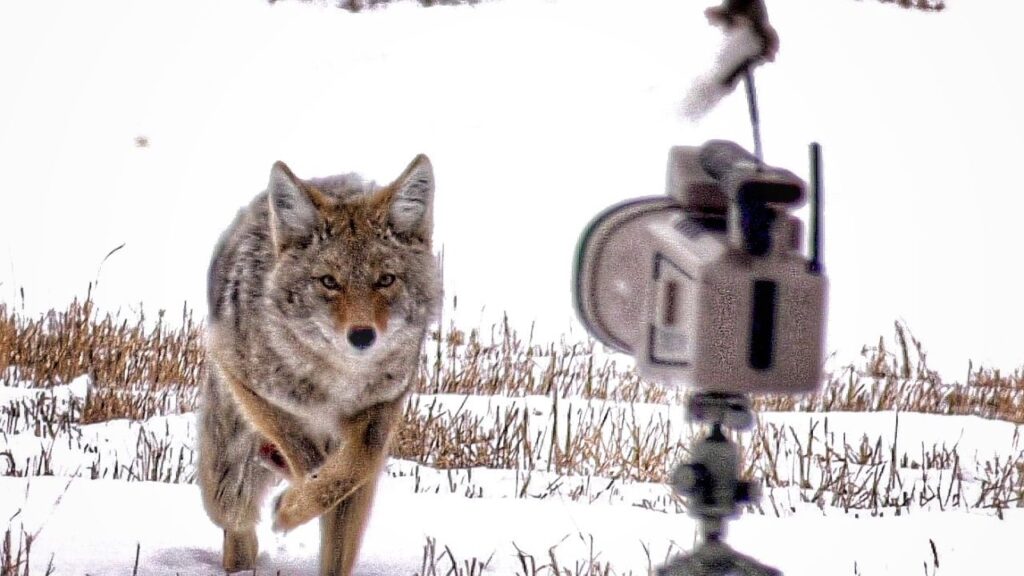
Coyotes learn fast. If every hunter in the county runs the same rabbit distress or the same howling sequences, they catch on. They start avoiding it—or circling way downwind without ever showing themselves.
Mix it up. Throw in bird distress, pup whines, ki-yi fights, or prey sounds that aren’t overused. The coyotes that are still alive are the ones that already figured out the basic rabbit scream trick.
Hunting Only Midday
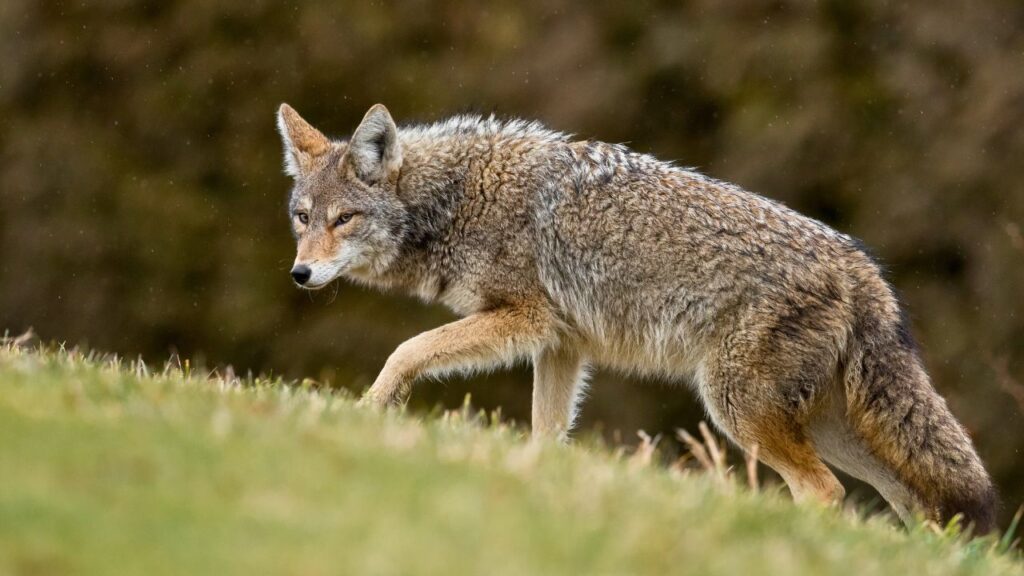
Midday hunts can work sometimes, but it’s not prime time. Coyotes are way more active first light and last light. They’re hunting, moving, and way easier to call.
If you’re only hunting during lunch breaks or afternoons because it’s convenient, you’re missing the best windows. The serious killers are out before sunrise and hanging it up when the shadows get long.
Sitting Where You Expect Coyotes to Be Instead of Where They Can Hear You
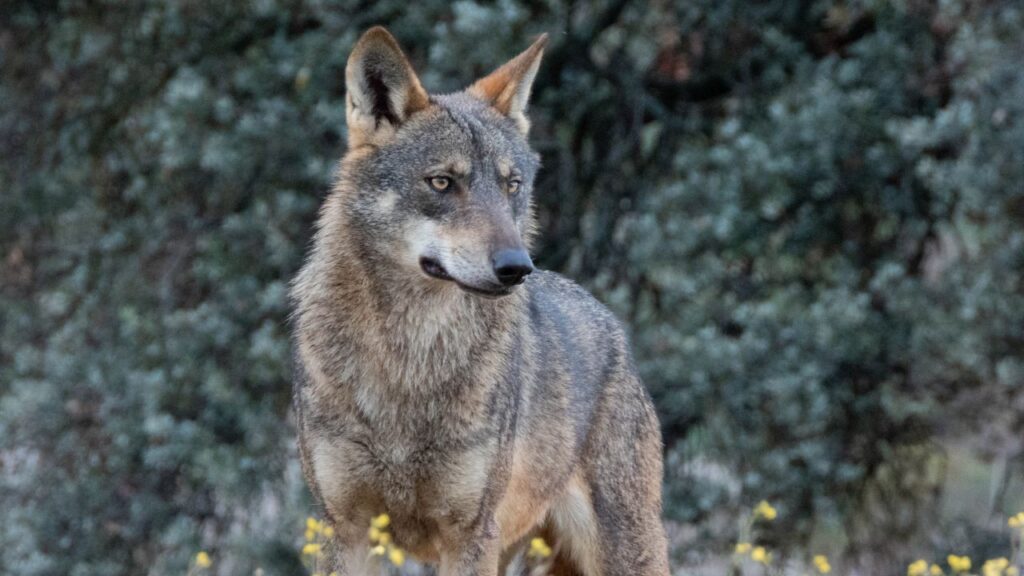
A lot of guys try to set up in the thick stuff where they think coyotes are bedded. Problem is, sound doesn’t carry well in tight cover, and you limit visibility.
The better play is to set up on edges—where sound carries, and you’ve got shooting lanes. Let the coyotes come out to you. You’re calling them to hunt, not calling them to bed.
Getting Lazy With Movement
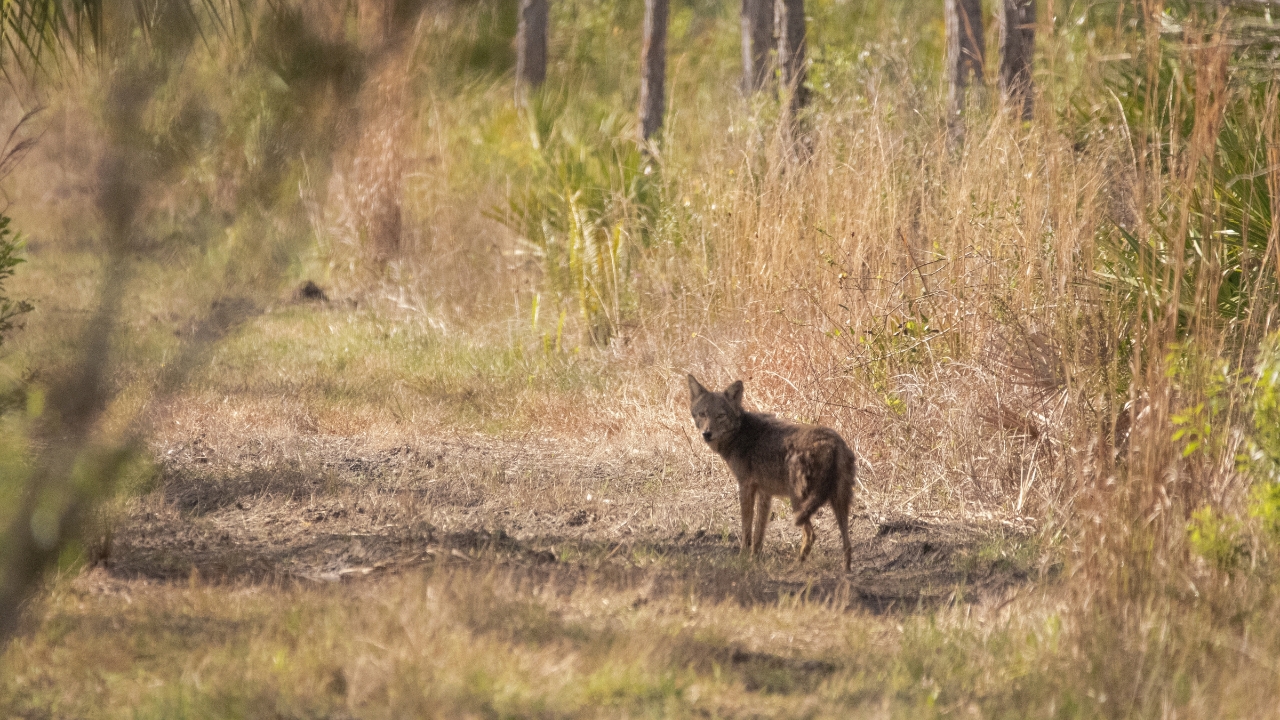
Even with camo and back cover, lazy movement gets you caught. Coyotes spot a head turn, a gun shift, or a binocular lift way faster than most hunters realize.
The best hunters freeze when they need to. Gun already up. Eyes scanning without moving the head. Small mistakes in movement are the reason most guys never see the coyote that saw them first.
Walking Straight Through the Calling Area
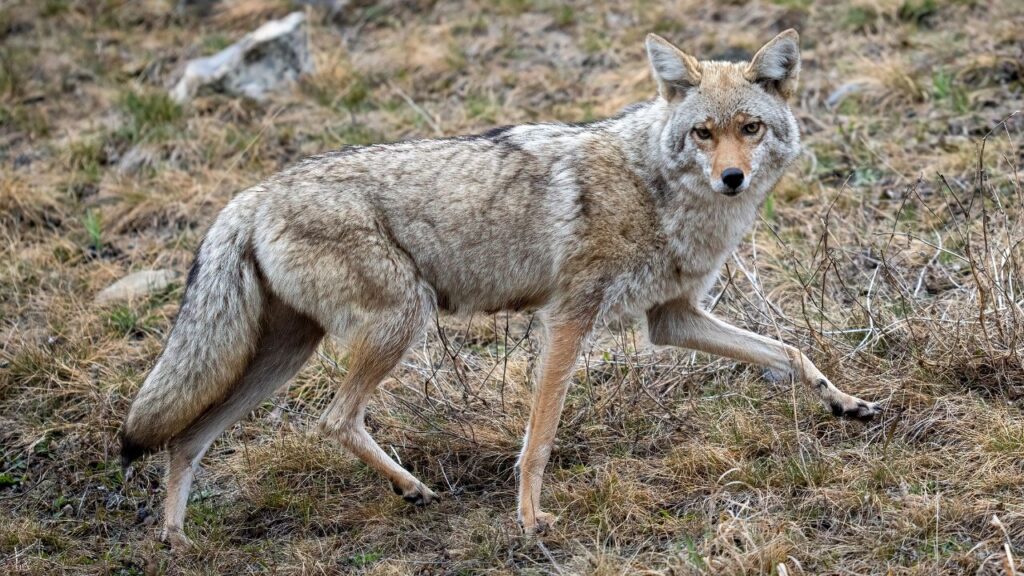
If your boot tracks and scent cut right across the spot you’re trying to pull a coyote from, the game’s over before you blow the first howl.
Good hunters circle in. They use terrain, ditches, and wind to get into position without contaminating the area. Walking right through where they bed, feed, or travel is a guaranteed bust.
Sticking With a Bad Setup Too Long
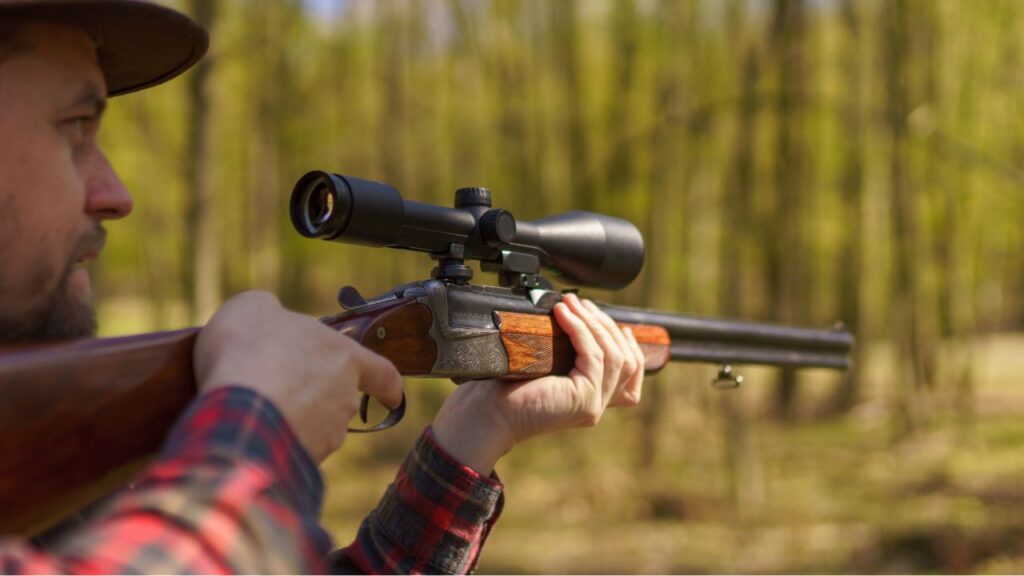
It’s easy to convince yourself “Any second now.” But a bad setup doesn’t get better with time. If the wind’s wrong, the cover’s bad, or the sound’s not carrying, sitting longer won’t fix it.
The guys filling fur are the ones who know when to pull the plug. They cut their losses and move. You can’t call coyotes that don’t hear you—or worse, coyotes that already smelled you 10 minutes ago.

Asher was raised in the woods and on the water, and it shows. He’s logged more hours behind a rifle and under a heavy pack than most men twice his age.