Hunter discovers unauthorised trail camera on his land – game warden confirms removal was entirely legal
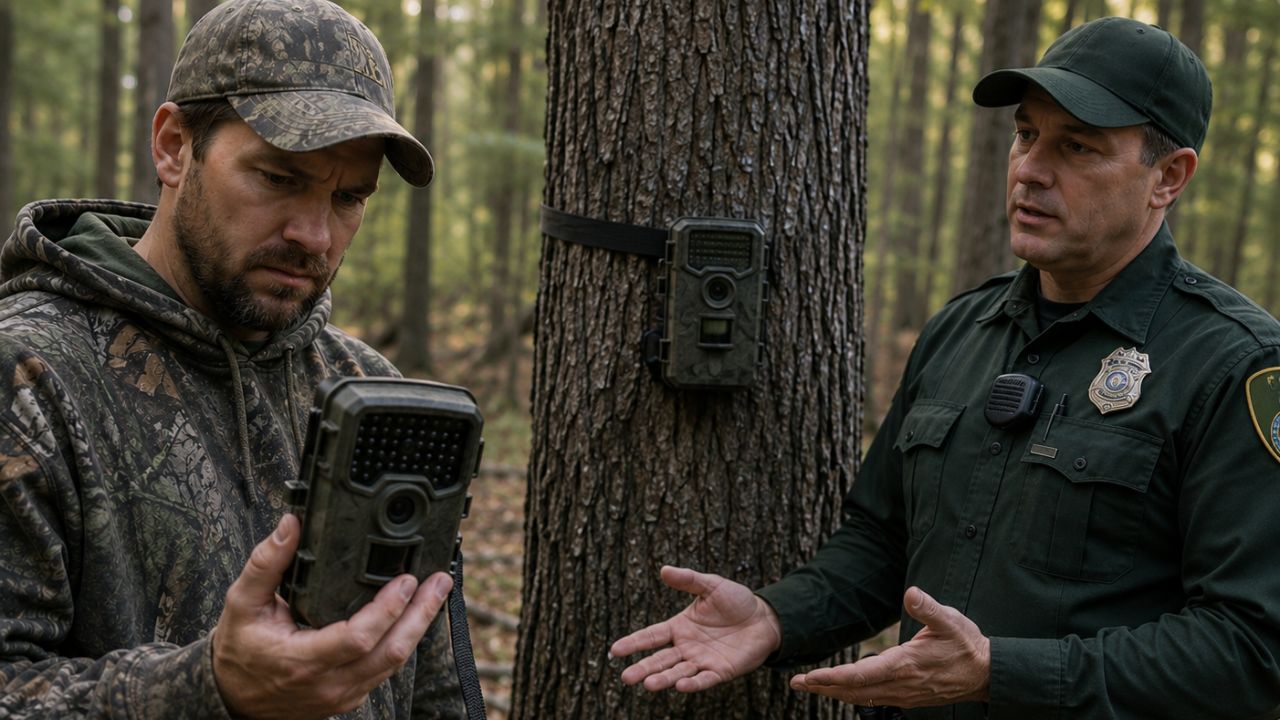
A hunter recently sparked debate online after claiming he found an unauthorized trail camera placed on his private property without permission. According to the account, the camera had been positioned along a commonly used game trail, raising concerns about trespassing, privacy, and who actually has the right to place equipment on private land.
After speaking with a game warden, the hunter said he was told removing the camera was completely legal since it had been placed on privately owned property without consent. The situation quickly caught attention among hunters and landowners, many of whom said similar incidents have become more common as trail cameras grow cheaper and easier to hide.
Why unauthorized trail cameras create problems
Trail cameras are widely used by hunters to monitor animal movement and activity patterns, but problems start when people place them on land they do not own or lease. For property owners, finding unfamiliar equipment can feel invasive, especially when cameras may capture vehicles, buildings, or people moving around the property.
Some landowners also worry about safety and liability issues. If strangers are entering private land to install or check cameras, it raises the possibility of trespassing becoming a repeated issue rather than a one-time mistake. In rural areas where large properties are difficult to monitor constantly, hidden cameras can sometimes stay unnoticed for months.
What game wardens usually say about situations like this
Wildlife officers and game wardens generally treat unauthorized trail cameras as a property issue first and a hunting issue second. In many states, placing equipment on private land without permission can fall under trespassing laws or unlawful use of private property.
That’s why the game warden’s response in this case stood out to many hunters online. According to the account, the officer confirmed the property owner had every right to remove the device because it was placed there without authorization. However, exact rules can still vary depending on state laws and whether the equipment is turned over to authorities afterward.
The growing debate around trail camera use
Trail cameras have become increasingly controversial in parts of the hunting world over the past few years. Some hunters argue they provide too much of an advantage by constantly monitoring animal patterns, while others see them as just another tool no different from binoculars or scouting on foot.
Several states have already debated restrictions on how and where trail cameras can be used, especially on public land. Concerns range from overcrowding in hunting areas to privacy complaints and disputes between hunters competing over the same game movement information.
Private property rights remain the key issue
In situations like this, most of the discussion eventually comes back to private property rights. Landowners generally expect to control who enters their land and what equipment is left behind. Even hunters who regularly use trail cameras themselves often agree that permission should always come first.
For many people following the story, the biggest takeaway wasn’t really about hunting technology at all. It was about boundaries. As outdoor equipment becomes smaller, cheaper, and easier to conceal, conflicts over land access and privacy are becoming more common in hunting communities across the country.

Leo’s been tracking game and tuning gear since he could stand upright. He’s sharp, driven, and knows how to keep things running when conditions turn.