‘Narco Queen’ caught trying to flush fentanyl during DEA raid on California stash house
Federal agents say a woman they describe as a “Narco Queen” tried to flush fentanyl down a toilet as they burst into a Los Angeles stash house, capping a long-running investigation into a drug ring tied to MacArthur Park. The raid, part of a wider federal operation, pulled back the curtain on how a neighborhood long associated with street dealing has become a key node in the region’s fentanyl trade.
The case offers a rare inside look at the mechanics of an alleged trafficking network, from stash house logistics to street-level distribution, and underscores how law enforcement is trying to keep pace with a synthetic drug that has reshaped the overdose crisis.
What happened
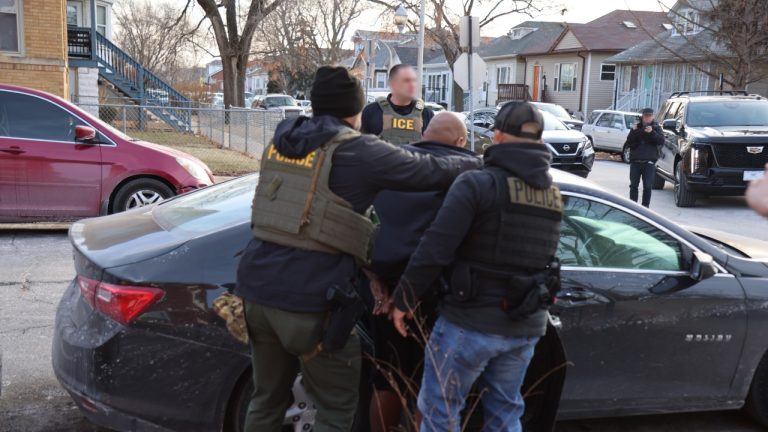
According to federal court filings and law enforcement accounts, agents with the Drug Enforcement Administration and other federal partners moved on a suspected stash house in California that they linked to fentanyl sales in and around MacArthur Park. As agents breached the residence, they say a woman they had identified as a key coordinator tried to flush a quantity of fentanyl powder and pills, an act prosecutors argue shows consciousness of guilt and the value of the product she was handling.
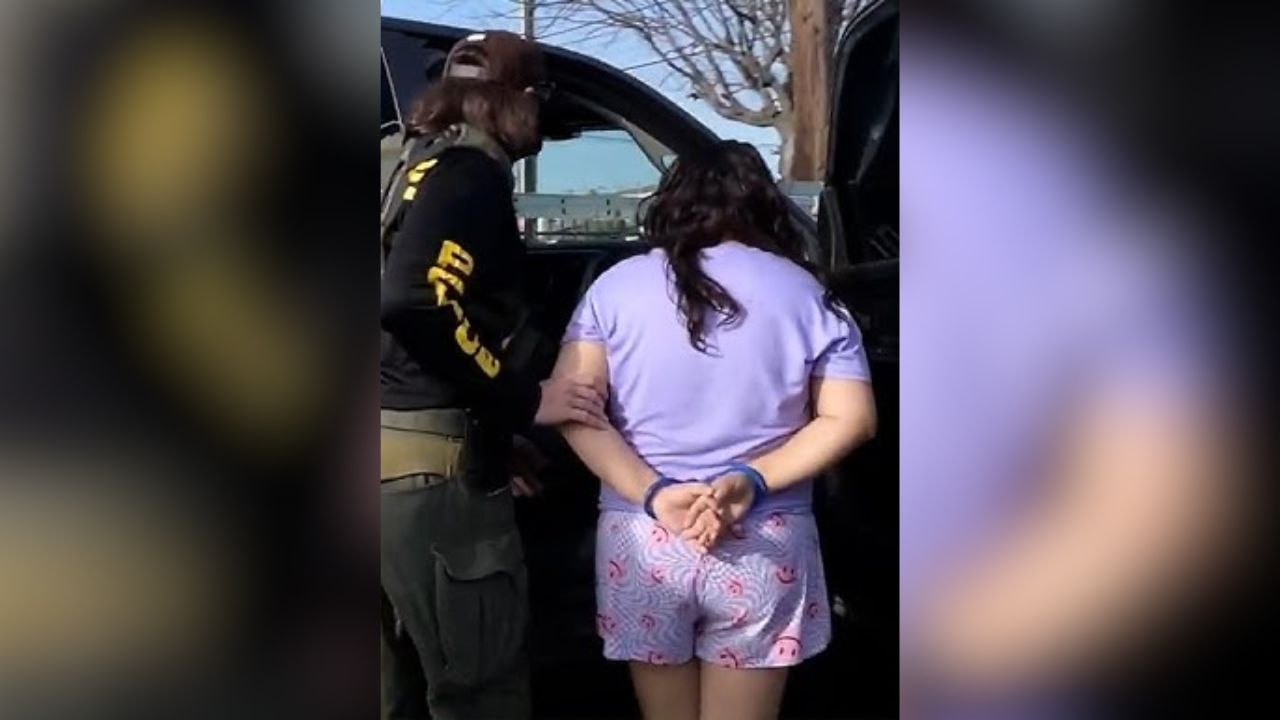
The woman, described by investigators as a “Narco Queen,” was taken into custody along with other alleged members of the trafficking group. Inside the home, agents reported finding bulk quantities of fentanyl, packaging materials, scales, and cash, the standard toolkit of a midlevel distribution hub. The stash house, according to the federal complaint, functioned as a warehouse and processing site where wholesale quantities were broken down into smaller lots for street vendors who operated in and around MacArthur Park.
The raid was one piece of a broader federal operation targeting a network accused of moving large amounts of fentanyl into central Los Angeles. Investigators say the group supplied dealers who openly sold pills and powder in the park and nearby streets, often in the shadow of families, commuters, and vendors who use the area as a daily thoroughfare. Federal authorities described the ring as a “huge drug” operation that helped fuel the local fentanyl market around MacArthur Park.
Agents reported seizing multiple kilograms of suspected fentanyl during coordinated searches, along with smaller amounts of other narcotics. The quantities matter: just two milligrams of fentanyl can be lethal, so each kilogram represents hundreds of thousands of potentially fatal doses. Photographs included in investigative materials show bricks of powder wrapped in plastic, bags of counterfeit pills, and stacks of currency that prosecutors say are proceeds from the park’s street-level trade.
Beyond the stash house, law enforcement teams executed search warrants at related locations, including apartments and vehicles used by alleged couriers. They describe a system in which drugs arrived from upstream suppliers, were stored and repackaged at houses like the one where the “Narco Queen” was arrested, then moved out in smaller quantities to runners who supplied individual sellers. The goal, according to agents, was to keep high-value product away from the open-air market while still maintaining a steady flow to buyers.
Why it matters
The case is significant for Los Angeles because it connects the daily reality of street dealing in MacArthur Park to a structured trafficking network that federal authorities say sits several steps up the supply chain. For residents and commuters who pass through the park, the visible side of the trade is the clusters of people exchanging cash for small baggies or pills. The stash house raid shows that behind those transactions is a coordinated operation with managers, couriers, and dedicated storage sites.
Fentanyl has transformed the overdose crisis in California, and Los Angeles County has seen a sharp rise in deaths linked to the drug. Synthetic opioids are far more potent than heroin, which means small errors in mixing or pill pressing can be deadly. By targeting a stash house tied to a high-volume market like MacArthur Park, federal agents are trying to disrupt a supply chain that can flood surrounding neighborhoods with cheap, strong product.
The details of the raid also highlight how quickly dealers react when law enforcement closes in. The alleged attempt to flush fentanyl illustrates both the panic of a sudden breach and the traffickers’ awareness that even a relatively small quantity represents significant street value. For prosecutors, that kind of behavior becomes part of the narrative they present in court, reinforcing claims that suspects knew they were handling illegal drugs and were intent on destroying evidence.
Beyond the immediate criminal charges, the operation raises questions about how cities manage public spaces that have become magnets for drug markets. MacArthur Park has long been a focal point of debates over policing, homelessness, and public safety. Residents and business owners have complained about open dealing, discarded needles, and the presence of armed lookouts. A federal takedown that targets a supply hub rather than only arresting low-level sellers signals a shift toward strategies that aim to cut off the flow at its source instead of repeatedly sweeping the same corners.
Yet enforcement alone does not resolve the underlying demand. Health officials point out that people buying fentanyl in MacArthur Park are often struggling with addiction, housing instability, or mental health issues. Without expanded access to treatment, harm reduction services, and stable housing, the market for synthetic opioids is likely to regenerate even if individual traffickers are jailed. The stash house case illustrates how law enforcement and public health responses are intertwined: seizing kilograms of fentanyl can prevent overdoses in the short term, but long-term reductions in deaths depend on what happens to the people who would have bought those drugs.
The raid also has implications for how other cities think about fentanyl markets that center on specific public spaces, whether it is Civic Center Park in Denver or the area around the Kensington Avenue corridor in Philadelphia. MacArthur Park’s experience shows that open-air markets often rely on hidden infrastructure, including stash houses and midlevel distributors, that sits outside the immediate view of residents. Identifying and dismantling that infrastructure requires time-intensive surveillance, undercover work, and cooperation between local police and federal agencies.
What to watch next
The next phase of the case will play out in federal court, where prosecutors are expected to pursue charges related to drug trafficking, conspiracy, and possibly money laundering against the alleged “Narco Queen” and her co-defendants. The strength of the evidence, including the seized fentanyl, cash, and any intercepted communications, will determine whether defendants seek plea deals or push for trial. Court proceedings will also reveal more about the internal structure of the alleged ring, including who supplied the stash house and how far the distribution network extended beyond MacArthur Park.
Observers will be watching to see whether the takedown leads to a noticeable change in street-level dealing around the park. In other cities, major busts have sometimes produced only brief lulls before new suppliers move in. If the operation truly targeted a central hub, residents might see fewer dealers and less open use in the short term. Local outreach workers and neighborhood groups will be among the first to gauge whether the daily environment in and around the park actually improves.
Law enforcement agencies are likely to use the case to justify continued focus on fentanyl trafficking, both in public statements and in budget requests. Successful seizures and high-profile arrests can bolster arguments for specialized task forces, expanded surveillance tools, and closer coordination with federal partners. At the same time, civil liberties advocates may scrutinize how agents conducted surveillance, what technologies were used, and whether any tactics raised concerns about privacy or profiling.
Public health officials will look at overdose data from the surrounding neighborhoods in the months following the raid to see if there is any measurable shift. If emergency rooms report fewer fentanyl-related overdoses tied to MacArthur Park, authorities may point to the stash house takedown as evidence that targeting supply hubs can save lives. If overdose numbers remain flat or rise, it could suggest that other suppliers quickly filled the gap or that users turned to different sources or substances.

Leo’s been tracking game and tuning gear since he could stand upright. He’s sharp, driven, and knows how to keep things running when conditions turn.