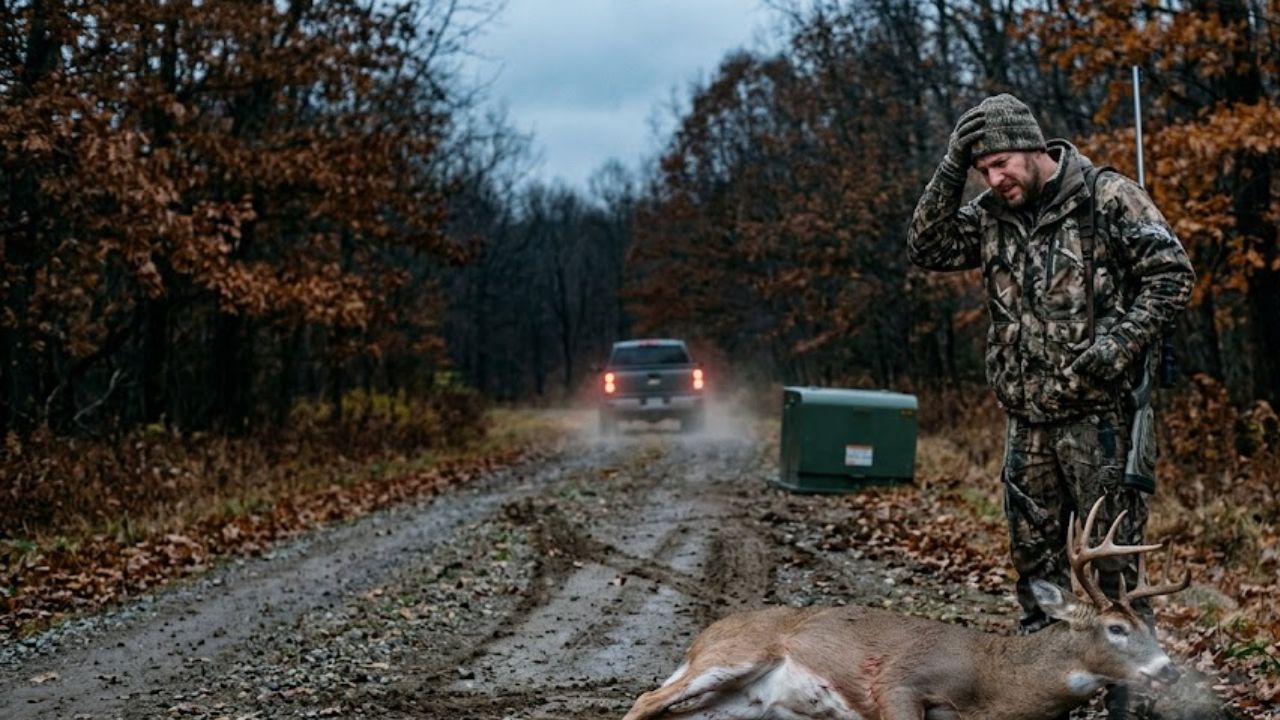
Hunter Says a Group He Trusted Dumped a Wounded Deer and Left Him to Deal With It
A hunter is speaking out after what he describes as a breakdown of trust during a group hunt, claiming that others in his party abandoned a wounded deer and left him to handle the aftermath alone. The situation has raised questions about responsibility, communication, and ethics in shared hunting trips, where coordination is usually key to how cleanly and safely things are handled.
According to the account, the group had been working together during the hunt when a deer was shot and injured but not immediately recovered. Instead of continuing the tracking effort, the hunter claims some members left the area, leaving him behind to deal with locating the animal and resolving the situation. That kind of split can create frustration quickly, especially when expectations about follow-through aren’t clearly agreed on ahead of time.
Disagreement over responsibility in the field
In group hunts, responsibilities like tracking and recovery are usually shared, but they can vary depending on experience, agreement, and conditions in the field. The hunter involved says he believed everyone would stay and assist until the animal was located, while others in the group allegedly treated the situation differently and moved on.
This kind of mismatch in expectations is one of the most common sources of conflict in hunting groups. When communication breaks down, one person may feel abandoned while others believe they acted within normal boundaries of the outing.
Ethics and expectations around wounded game
Tracking wounded game is widely treated as a responsibility in hunting culture, but the level of effort expected can differ depending on the situation. Some hunters prioritize staying until recovery is certain, while others may decide to stop if conditions become difficult or if they believe the track is lost.
That difference in approach can lead to tension, especially when one person feels morally responsible for continuing the search. In cases like this, the disagreement isn’t just about logistics — it often comes down to personal standards and how each hunter defines accountability.
Trust issues in group hunts
Group hunting trips rely heavily on trust, especially when people are sharing time, land access, and responsibility for outcomes. When someone feels left behind during a critical moment, that trust can break down quickly and affect future cooperation.
Even if there’s no formal agreement, most hunters expect some level of teamwork when it comes to tracking and recovery. When that expectation isn’t met, it can leave one person feeling like they carried the burden alone.
Communication breakdown as the main issue
Situations like this often come down to a lack of clear communication before the hunt even begins. Without agreed expectations, each person may interpret their role differently once the situation becomes stressful or uncertain in the field.
Hunters who have dealt with similar conflicts often point out that setting clear rules beforehand — even informal ones — can prevent misunderstandings later. Once the situation is already underway, decisions tend to be made quickly, which is where disagreements usually start.
What situations like this mean for future hunts
Incidents like this can change how hunters choose future partners. Some may decide to hunt solo or only with people they’ve known for a long time, while others may tighten expectations before going out again.
At its core, the situation highlights how much group dynamics matter in hunting. Skill and equipment play a role, but trust and communication often determine whether a hunt feels coordinated or fragmented by the end.

Leo’s been tracking game and tuning gear since he could stand upright. He’s sharp, driven, and knows how to keep things running when conditions turn.