Gun culture divide: differing views on firearms use expose deep partisan rifts in America
You step into conversations about guns in America and quickly sense the fault lines. For decades, firearms have sat at the center of how people understand safety, freedom, and responsibility. What began as shared practices across regions and backgrounds has hardened into positions that track closely with party lines. Republicans tend to see gun ownership as a core protection against threats, while Democrats view widespread access as a driver of preventable harm. These perspectives shape daily choices, voting patterns, and even where people feel comfortable living or socializing.
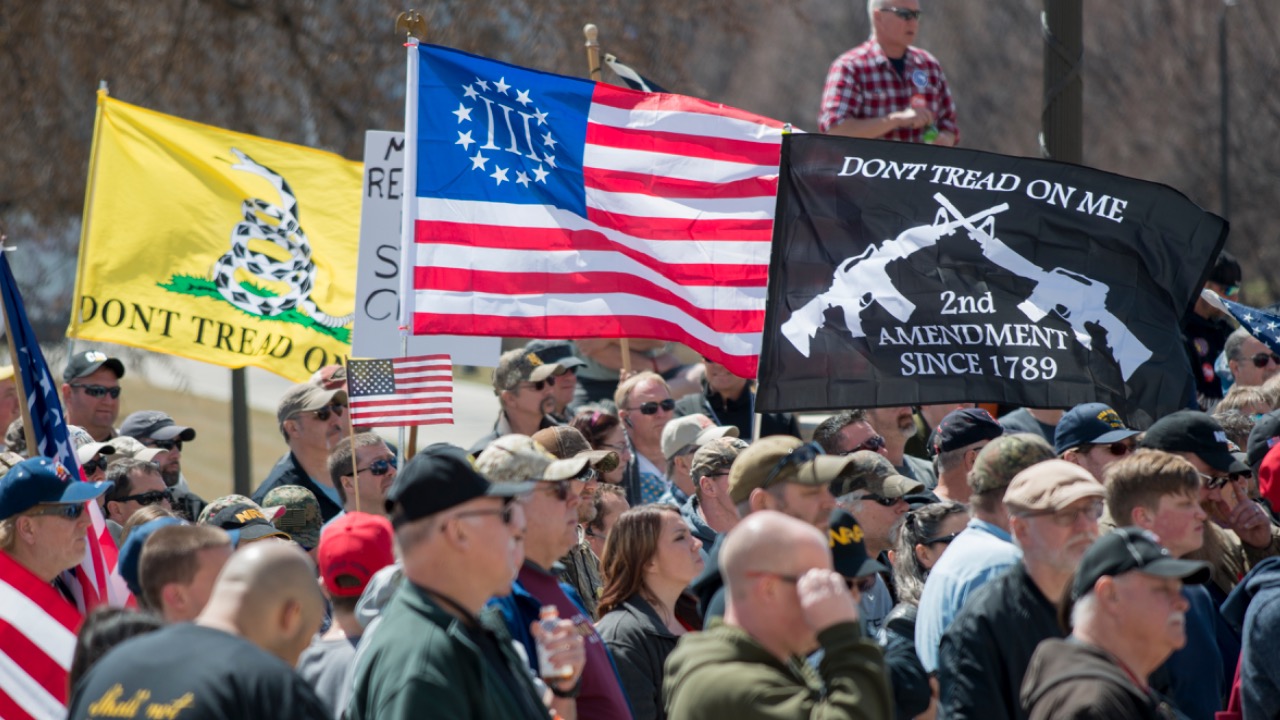
The numbers tell a story of separation. About 45 percent of Republicans and Republican-leaning independents own guns personally, compared with roughly 20 percent of Democrats. That gap has widened over time as ownership among Democrats dropped while rates among Republicans held steadier. Polls show 83 percent of Republicans prioritize protecting gun rights, against 79 percent of Democrats who favor tighter controls. These differences influence everything from how communities respond after shootings to what policies gain traction in state legislatures.
Ownership patterns across party lines
Republicans report higher personal gun ownership and stronger attachments to keeping firearms at home. Many in this group grew up around hunting or rural traditions where guns served practical roles for food and protection. You notice that Republican gun owners often describe their firearms as tools for independence, something passed down or acquired during uncertain times. This pattern holds even after accounting for factors like region or income.
Democrats own guns at lower rates overall, and when they do, concerns about accidents or misuse surface more often. Urban living plays a part, along with different experiences of violence that emphasize regulation over personal armament. The divide shows up in future intentions too: far more non-owning Republicans say they could see themselves buying a gun someday. These patterns reinforce separate social worlds where gun talk either builds connection or creates distance.
Safety and purpose of firearms
Your sense of what a gun provides shifts sharply depending on political outlook. Republicans who own guns frequently cite feelings of safety and even enjoyment from responsible use. They point to self-defense scenarios and the idea that armed citizens deter crime. Data backs this view within their coalition, where ownership links to empowerment rather than risk.
Democrats, including those who own guns, more often express worry about having firearms in the house. They weigh suicide risks, accidental shootings, and escalation in conflicts higher. For many in this group, safety comes through limits on who can access weapons and how easily. The same firearm can represent security to one side and vulnerability to the other, deepening the emotional stakes in every debate.
Policy proposals and persistent gaps
Background checks and mental health restrictions draw support from large majorities in both parties. You see agreement on keeping guns from people in crisis or raising the purchase age to 21. Yet proposals like assault weapon bans or limits on high-capacity magazines split cleanly: most Democrats back them while most Republicans oppose.
Concealed carry rules highlight another flashpoint. Republicans lean toward easier access without permits in more places, while Democrats favor stricter permitting and training. These disagreements stall federal movement even when polls show broad backing for some middle-ground steps. Lawmakers mirror the split, with votes falling along party lines on most significant bills.
How the divide evolved over decades
Gun ownership sat closer across parties in the 1970s, with comparable household rates. Over following years, Democrats moved away from ownership while Republicans maintained theirs. Political campaigns and advocacy groups played roles, tying gun rights more tightly to conservative identity and control measures to liberal priorities.
Events like mass shootings and elections sharpened the contrast. Each tragedy prompted calls for action from one side and defense of existing rights from the other. What was once a set of regional customs became a national sorting mechanism. Today, gun ownership predicts voting behavior more strongly than in past generations, embedding the issue deeper into partisan identity.
Daily life and social separation
You feel the cultural distance when conversations turn to guns at family gatherings or online. Rural and suburban spaces where ownership runs high contrast with urban areas focused on restriction. Media choices and social circles reinforce separate narratives: one side sees government overreach, the other sees neglected public safety.
Friendships and neighborhoods sort accordingly. People self-select into communities that match their comfort level with firearms. This separation reduces everyday exposure to opposing views, making compromise feel remote. The practical result shows up in state laws that diverge widely depending on which party controls the legislature.
Political consequences of the rift
Elections hinge partly on where candidates stand on firearms. Republican platforms emphasize Second Amendment protections, while Democratic ones push for expanded checks and bans on certain models. Voters respond to these signals, with gun owners tilting heavily toward one party.
The intensity affects turnout and fundraising. Advocacy organizations on both sides mobilize supporters effectively, keeping the issue alive between tragedies. As polarization grows, middle positions lose ground. You watch lawmakers hesitate on measures that once passed with bipartisan votes, wary of primary challenges from their base. This dynamic sustains the divide even as overall gun violence numbers fluctuate.

Asher was raised in the woods and on the water, and it shows. He’s logged more hours behind a rifle and under a heavy pack than most men twice his age.