How WWII hunters helped create the modern sniper rifle
Hunters entered World War II with practical experience that armies quickly put to use. Men accustomed to tracking game in forests and mountains brought an eye for terrain and an instinct for stillness under pressure. Their abilities shaped how militaries selected and trained marksmen, moving sniping beyond occasional sharpshooting into a deliberate tactical role. The rifles they carried, often modified service weapons, set patterns for accuracy and reliability that carried forward. This blend of civilian skill and wartime necessity laid groundwork for today’s precision systems.
Hunters in Uniform
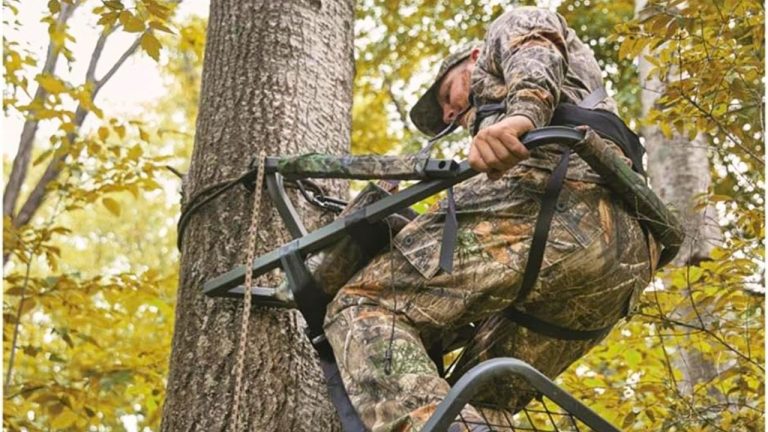
Many soldiers drafted into sniper roles had spent years hunting before the war. In rural parts of the Soviet Union and the mountainous regions of Central Europe, hunting provided food and sharpened observation. These men knew how to read wind, judge distance, and remain motionless for long stretches. Armies on both sides recognized the value and began pulling them into specialized units. Their field knowledge proved more useful than formal marksmanship training alone.
The practical background helped snipers adapt quickly to combat conditions. They understood concealment in ways that city recruits had to learn from scratch. This edge allowed them to operate effectively in varied environments, from ruined city blocks to open snowfields. Their contributions demonstrated that sniping relied as much on woodcraft as on equipment.
German Mountain Troops
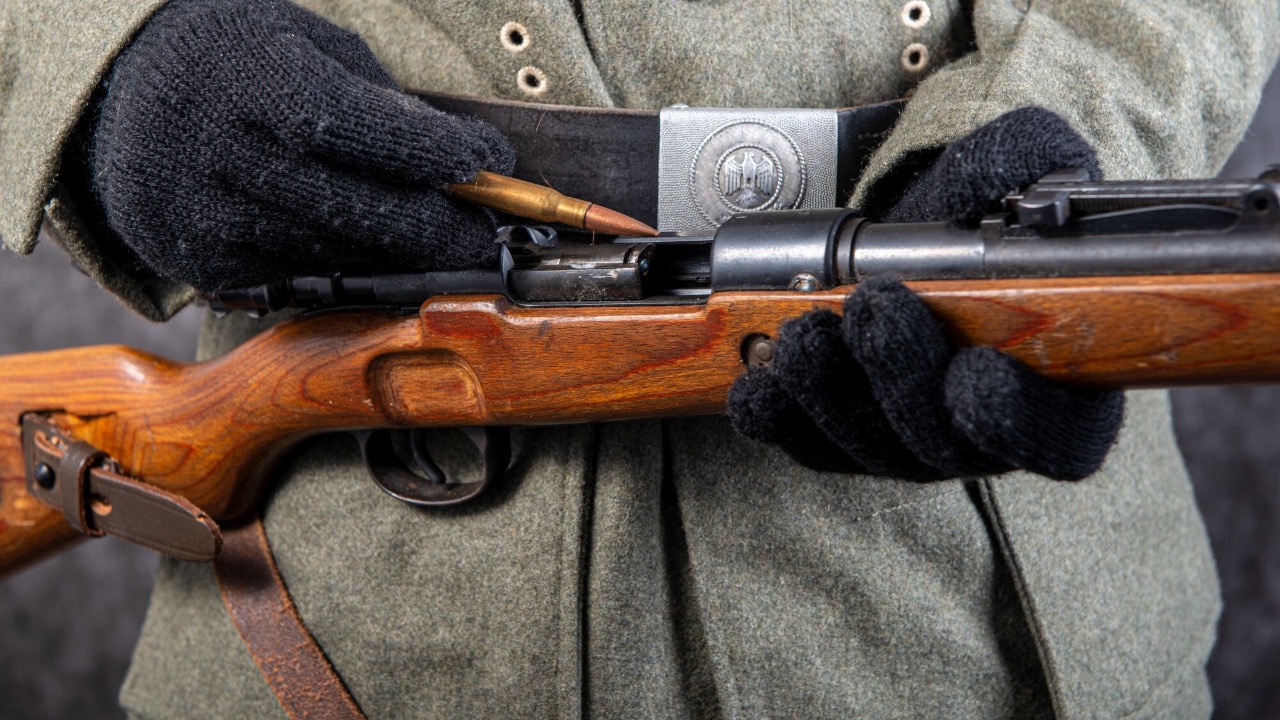
German Gebirgsjäger divisions drew heavily from men with hunting experience in the Alps and other ranges. These units emphasized independent movement and precise shooting, traditions that went back generations. Snipers like Matthäus Hetzenauer, an Austrian from a hunting area, excelled in the role, recording hundreds of confirmed kills on the Eastern Front. Their success came from combining scoped Mauser rifles with patient stalking techniques developed in civilian life.
The Jäger tradition, meaning hunter in German, influenced how these troops operated. They moved lightly, used natural cover, and struck from positions that minimized exposure. This approach influenced later German sniper training and equipment choices. The combination of experienced personnel and reliable bolt-action rifles created effective teams that forced opponents to change their movements.
Soviet Rural Marksmen
Soviet forces recruited large numbers of snipers from farming and hunting communities across Siberia and other remote areas. Figures such as Vasily Zaitsev, who learned to shoot while hunting in the Urals, applied those lessons in Stalingrad and beyond. The Red Army scaled up training programs that selected candidates with strong eyesight and familiarity with rifles. Many arrived already competent with the Mosin-Nagant platform.
These snipers operated in pairs or small groups, using urban rubble or natural features for cover. Their volume of fire and tactical innovations created constant pressure on German lines. The emphasis on individual initiative and endurance, traits common among rural hunters, helped establish doctrines that emphasized disruption over massed engagements.
Skills That Mattered Most
Patience and camouflage stood out as skills hunters brought directly to the battlefield. Waiting hours for the right moment, blending into surroundings, and understanding animal-like movement patterns translated well to avoiding detection. Snipers learned to manage breath, control heartbeat, and account for environmental factors in ways that echoed tracking game. These elements became central to sniper training worldwide.
Observation skills also played a key role. Hunters who could spot distant movement in dense cover brought that ability to scouting and targeting. They often served dual purposes, gathering intelligence while engaging threats. This combination of roles expanded the sniper’s value beyond direct kills to broader battlefield awareness.
Rifles Built on Standard Designs
Most WWII sniper rifles started as standard infantry weapons fitted with scopes. The German Karabiner 98k and Soviet Mosin-Nagant 1891/30 received optical sights and minor adjustments for precision. Hunters familiar with these or similar bolt-actions adapted quickly. Their feedback helped refine mounting systems and ammunition selection for better consistency at range.
These modifications prioritized reliability in harsh conditions over complexity. Bolt-actions offered the accuracy needed for deliberate shots while remaining serviceable in mud or cold. The approach influenced postwar designs that balanced precision with durability, setting expectations for what a military sniper rifle should deliver.
Legacy in Modern Systems
The experiences of WWII snipers, many with hunting roots, informed the development of dedicated training programs and equipment after the war. Armies studied their tactics, optics choices, and selection criteria when building specialized units. The focus on individual skill combined with supportive technology became a model for later conflicts.
Today’s sniper rifles incorporate advanced materials, variable optics, and ballistic computing, yet they rest on foundations established in that era. The importance of selecting people with natural aptitude for the work, whether from hunting or other precise activities, remains a guiding principle. The hunter’s influence persists in the patience, adaptability, and precision that define effective sniping.

Asher was raised in the woods and on the water, and it shows. He’s logged more hours behind a rifle and under a heavy pack than most men twice his age.