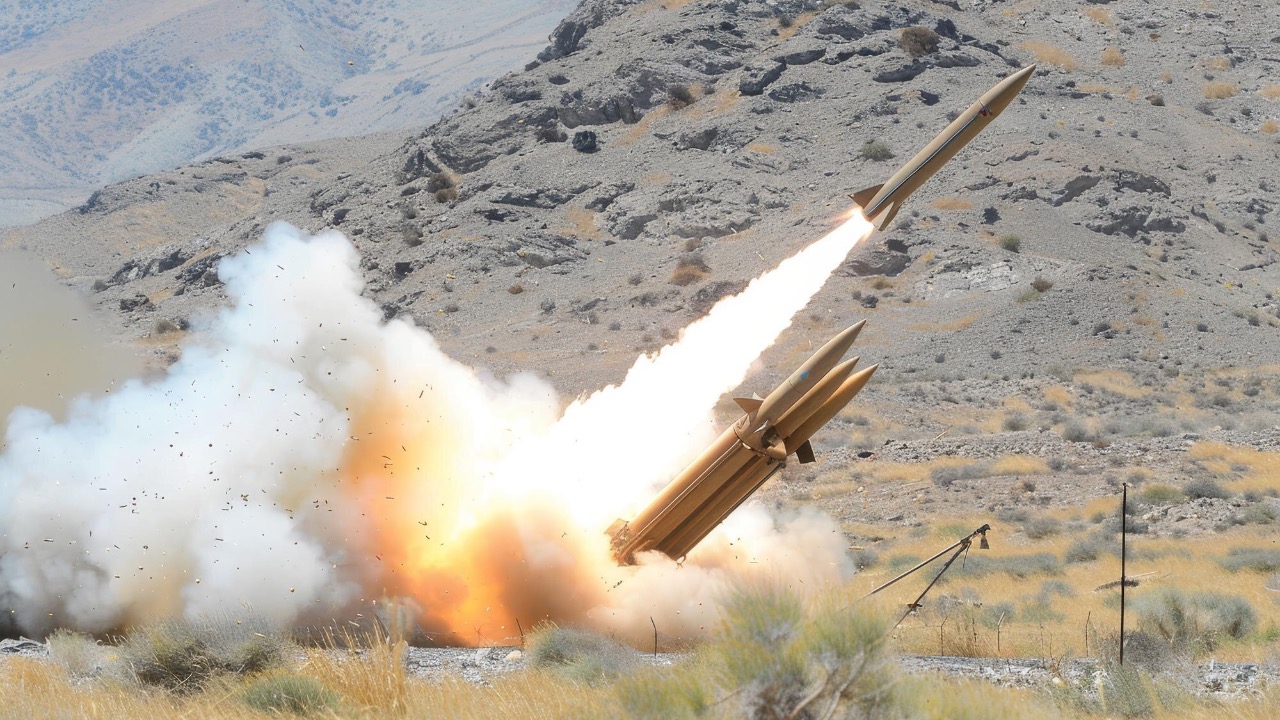
US Faces Years-Long Struggle to Replenish Weapons Stockpiles Depleted by Iran Conflict, Raising Fears Over Future Military Readiness
The recent conflict with Iran left noticeable gaps in American weapons inventories. Precision munitions and advanced interceptors that took decades to build saw heavy use over just a few weeks of intense operations. As you look at the numbers coming from defense analysts, the United States maintains strong overall capabilities, but restoring certain critical stocks to pre-conflict levels will stretch into the late 2020s. This situation highlights how modern warfare consumes advanced systems faster than many expected.
You face a defense establishment now balancing immediate recovery with longer-term strategic needs. Production lines are expanding, yet the complexity of these weapons means timelines stretch out. The experience serves as a clear reminder that sustained high-intensity fighting tests the limits of even the world’s largest military budget.
The extent of munitions used during operations
Over the weeks of direct involvement, American forces expended more than a thousand Tomahawk cruise missiles along with hundreds of THAAD and Patriot interceptors. These systems played key roles in striking targets and defending against incoming threats from Iranian missiles and drones. Reports from groups like the Center for Strategic and International Studies show depletion rates that caught attention across Washington.
Such consumption rates exceeded annual production by wide margins for several key items. While the military had enough on hand to handle the conflict, the drawdown created imbalances that will take time to correct. You see the services now prioritizing certain theaters while they work through these shortfalls.
Why replenishment timelines stretch for years
Manufacturing advanced missiles involves specialized components, rare materials, and rigorous testing protocols that cannot accelerate overnight. Contractors like Lockheed Martin have increased output for systems such as THAAD and Patriots, but full restoration of inventories could extend into 2029 or 2030 for some categories. Supply chain constraints add another layer of delay.
You encounter a defense industrial base still recovering from earlier global pressures and now facing new demands. Efforts to secure alternative sources for critical minerals continue, yet these adjustments require coordination across government and private sectors. The process demands patience and steady investment rather than quick fixes.
Impact on potential conflicts elsewhere
The current gaps raise practical questions about how the United States would respond if another major crisis emerged soon, particularly in the Indo-Pacific. Planners have long focused on China as the pacing challenge, where similar high-end munitions would prove essential in any extended scenario. The Iran experience provides a real-world data point on consumption.
As you consider these dynamics, the window of reduced stocks creates temporary vulnerabilities that adversaries might notice. Military leaders emphasize that overall readiness remains solid, yet the specifics around precision weapons and air defenses require close monitoring. This situation pushes discussions about deterrence and force posture into sharper focus.
Steps the Pentagon is taking to rebuild
The Defense Department has shifted priorities in contracts and resequenced deliveries to favor domestic needs over some allied commitments. Budget proposals include significant funding boosts for munitions lines, aiming to shorten those multi-year timelines where possible. Training and maintenance schedules have also adjusted to preserve what remains in inventory.
You observe increased collaboration between services and industry to identify bottlenecks and streamline approvals. These measures reflect a recognition that future conflicts could demand even higher volumes. Progress appears steady, though measurable improvements in stock levels will take consistent follow-through over several budget cycles.
Broader lessons for defense planning
This episode underscores the need to examine assumptions about how long future fights might last and what resources they would consume. Lawmakers and strategists now weigh options for expanding domestic production capacity and diversifying sources for key technologies. The conversation extends beyond immediate fixes to how the military structures its forces for an era of peer competition.
In your view of these developments, the Iran conflict offers a practical test that few predicted would arrive so soon. It reinforces the value of realistic stockpiling targets and resilient supply chains. Moving forward, decisions made in the next few years will shape how prepared American forces feel when facing the next unexpected challenge.

Asher was raised in the woods and on the water, and it shows. He’s logged more hours behind a rifle and under a heavy pack than most men twice his age.