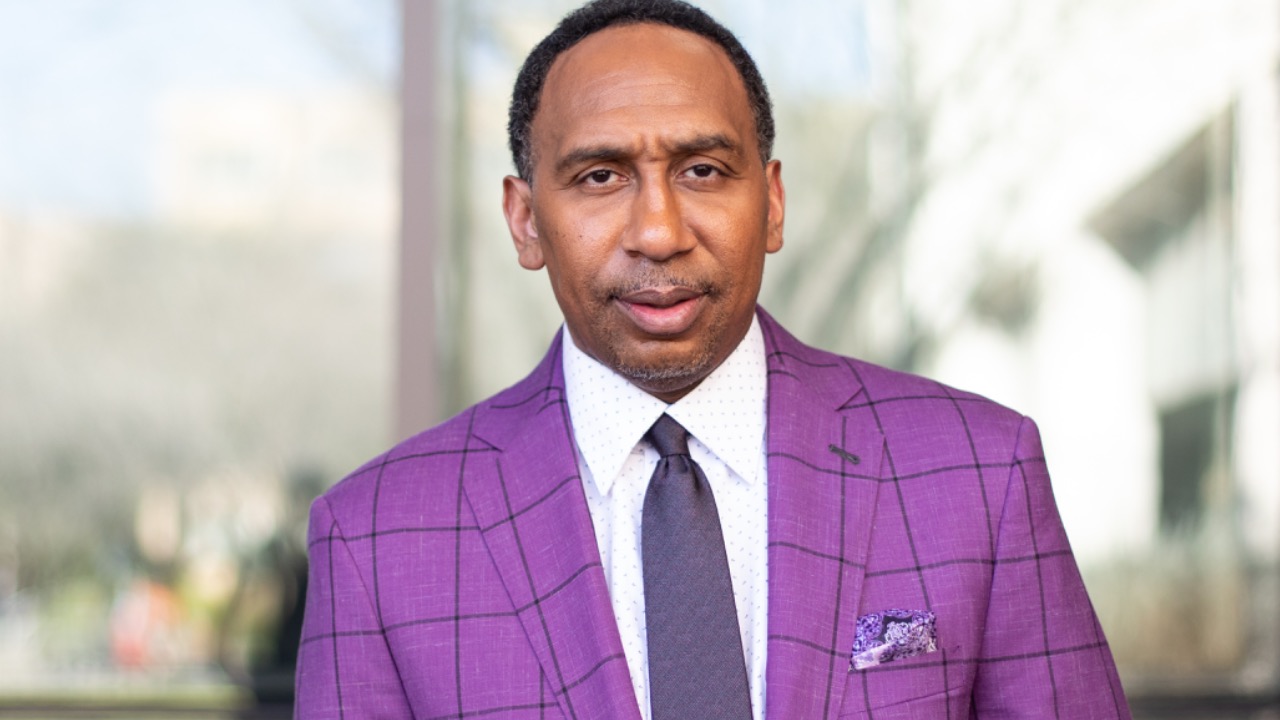
Stephen A Smith accuses Karmelo Anthony of murdering Austin Metcalf
You have likely followed stories like this before, where a moment of tension at a school event spirals into irreversible tragedy. On April 2, 2025, at a track meet in Frisco, Texas, 17-year-old Austin Metcalf lost his life after an altercation under a team tent during a weather delay. Karmelo Anthony, then 17 and from a different school, faced murder charges in the stabbing. The trial and its aftermath stirred intense debate across the country, touching on self-defense claims, youth violence, and how race factors into public reactions.
Sports commentator Stephen A. Smith entered the conversation with characteristic directness. His remarks cut through much of the noise, emphasizing accountability over excuses. The case continues to resonate as families grieve and communities reflect on what happened that day.
Stephen A. Smith’s Blunt Assessment of the Incident
Stephen A. Smith did not hold back when addressing the conviction of Karmelo Anthony. He stated clearly that Anthony murdered Austin Metcalf, leaving little room for alternative interpretations. Smith expressed reluctance about seeing another young Black man imprisoned but insisted the evidence left no other conclusion.
His comments highlighted the need to separate facts from broader social narratives. By focusing on the actions in the tent that day, Smith pushed back against efforts to frame the stabbing primarily through racial lenses. This stance drew both support and criticism, as it challenged assumptions in high-profile cases involving young people.
The Details of the Track Meet Confrontation
Witness accounts described how Anthony entered the Memorial High School tent during a rain delay at the event. Students from the host school asked him to leave multiple times. The situation escalated into an argument, with Anthony reportedly warning Metcalf with words like “Touch me and see what happens” while reaching into his bag.
Metcalf and others confronted him, leading to a push. Anthony then pulled out a knife and stabbed Metcalf once in the chest. The 17-year-old was rushed to medical care but did not survive. These elements formed the core of the prosecution’s case, which portrayed Anthony as the aggressor rather than someone acting purely in self-defense.
The Trial Outcome and Sentencing
A Collin County jury rejected Anthony’s self-defense claim after reviewing the testimony and evidence. They convicted him of first-degree murder in relatively short deliberations. The judge later sentenced the now 19-year-old to 35 years in prison, with eligibility for parole after serving half that time.
The verdict came amid emotional statements from Metcalf’s family in court. Anthony’s side maintained their position on self-defense, and an appeal has been filed. The sentencing reflected the seriousness of bringing a knife to the confrontation and using it fatally.
Reactions to Smith’s Commentary
Smith’s willingness to call the act murder outright stood out in a media landscape often divided along predictable lines. He stressed that neither victim’s youth nor the perpetrator’s background should override basic accountability. This perspective resonated with those seeking straightforward analysis over polarized takes.
Public discourse around the case had already grown heated, with fundraising efforts for Anthony’s defense and questions about fairness surfacing online. Smith’s input added a layer focused on evidence over emotion, encouraging viewers to examine the specifics of what unfolded rather than defaulting to larger cultural battles.
Broader Questions Raised by the Tragedy
Cases like this prompt difficult conversations about how young people handle conflicts and the role of weapons in everyday settings. The presence of a knife turned a verbal and physical dispute into a fatal outcome, underscoring ongoing concerns about safety at school-related events.
Communities continue to process the loss of Metcalf, a student-athlete with a future ahead of him. Anthony’s conviction does not erase the pain for either family, but it reflects a legal system’s attempt to deliver justice based on the facts presented. The story serves as a sobering reminder of how quickly situations can escalate beyond control.
Looking Ahead After the Verdict
With appeals underway and public interest remaining high, the case may see further developments in the coming months. Debates persist about sentencing consistency in similar Texas incidents and the influence of media coverage on perceptions of justice.
Smith’s remarks reinforced a call for consistency in holding individuals responsible, regardless of background. As the families navigate their respective paths forward, the incident leaves lasting lessons about de-escalation and personal choices in moments of tension.

Asher was raised in the woods and on the water, and it shows. He’s logged more hours behind a rifle and under a heavy pack than most men twice his age.