The Traits That Keep Certain Firearms in Use for Decades
Some firearms age slowly, if at all. Decades after their debut, certain rifles and pistols still show up in conflict zones, hunting camps, and police armories, outlasting sleeker, newer designs. Their staying power is rarely about nostalgia alone. It rests on a specific mix of mechanical traits, logistics, and human habit that keeps older guns relevant long after their launch dates fade from memory.
Why some weapons refuse to disappear sheds light on more than engineering. It reveals how states manage arsenals, how black markets function, and how communities keep fighting with whatever they can maintain and supply.
How battlefield realities reshaped the definition of a “timeless” firearm
For much of the twentieth century, longevity in small arms was measured by ruggedness and simplicity. Designs like the Kalashnikov family or early bolt-action rifles proved that a gun that tolerated dirt, poor maintenance, and rough handling could stay in circulation for generations. That lesson still holds, but modern conflicts have added new pressures that refine which traits matter most.
One of those pressures is the spread of surplus weapons into fragile states. When Australian and United States supplied rifles surfaced in a tribal conflict in Papua New Guinea, officials confronted a familiar problem: gear designed for national defense had flowed into local violence. The guns involved were not cutting-edge prototypes. They were durable, exportable models that could survive storage, rough transport, and improvised use, which made them ideal for reuse in a tribal fight far from their original mission.
That example highlights a key shift. Longevity is no longer just about how long a weapon can function in the hands of a trained soldier. It is about how well it persists as it moves from formal arsenals to irregular forces, then into criminal networks and community militias. Guns that are easy to strip, reassemble, and repair with basic tools tend to travel this route most successfully.
Modularity has also become more important. Older workhorses that accepted scopes, lights, or grenade launchers through simple mounts gained new life once accessories became cheap and widely available. A rifle that can take a modern optic or a suppressor without redesigning the entire platform suddenly competes with newer models at a fraction of the cost. That adaptability helps explain why some Cold War designs still anchor arsenals that now fight in drone-filled, networked battlespaces.
The core traits that keep specific guns in circulation for decades
Several recurring characteristics show up whenever a firearm refuses to fade from use. At the mechanical level, the first is tolerance for abuse. Guns with generous clearances, forgiving gas systems, and few delicate parts keep working when lubrication is scarce and cleaning is irregular. They may not be the most accurate or ergonomic, but they fire when the trigger is pulled, which matters more in many conflicts than tight groupings on a range.
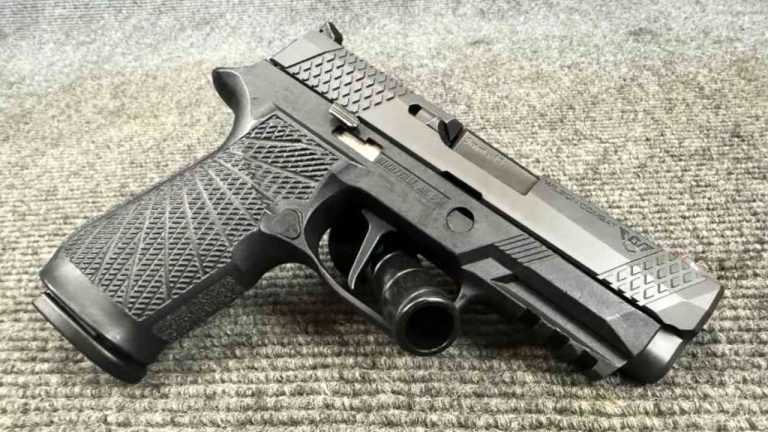
Parts commonality is the second. Designs that share bolts, magazines, or barrels across multiple variants make life easier for armorers and smugglers alike. If a damaged rifle can be rebuilt from two broken ones, or a pistol can accept magazines from several generations of the same family, the platform becomes much harder to retire. Armies often keep such systems in reserve stocks because they know they can cannibalize old inventory to keep a core fleet running.
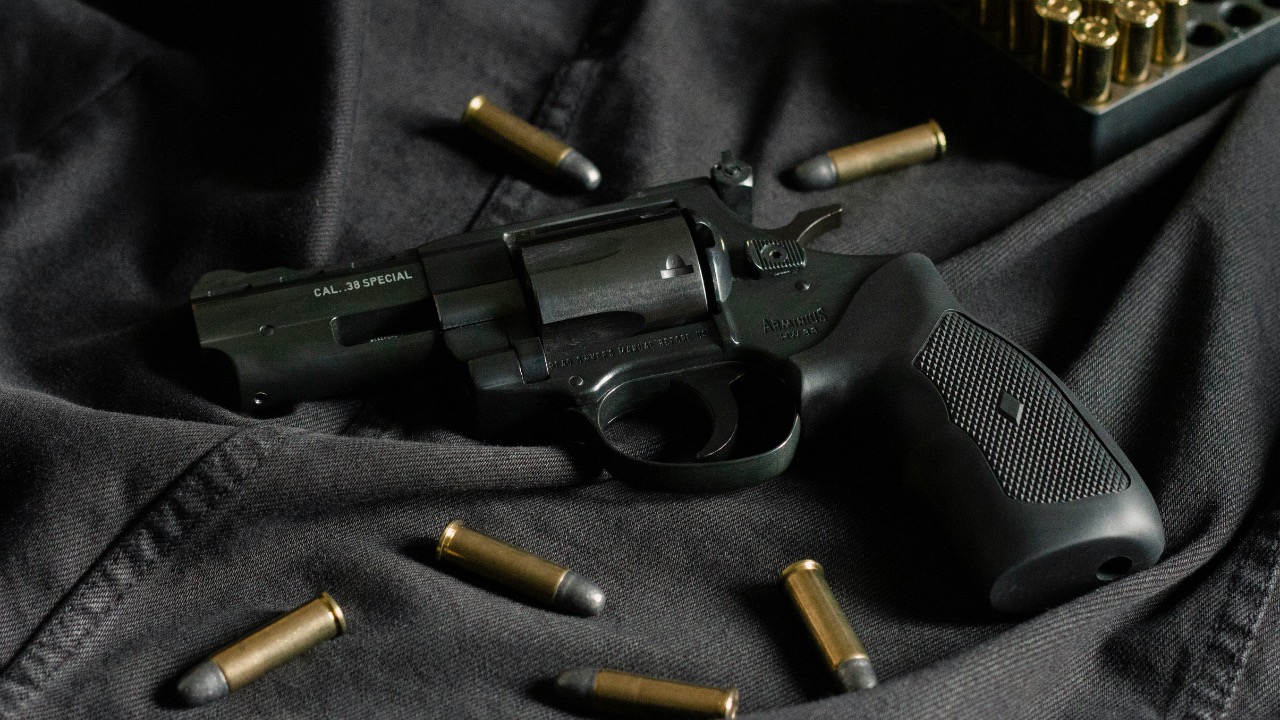
Third is ammunition standardization. Firearms chambered in widely produced calibers tend to outlive niche designs. Once a cartridge becomes a global standard, factories, stockpiles, and smuggling routes all align around it. Even when a military force upgrades to a newer rifle, it often keeps the same ammunition, which means older guns that share that chambering remain viable for training, second-line units, or allied forces that cannot afford the latest model.
Cost and training also play a large role. A rifle that recruits can learn in days, not weeks, and that armorers can service without advanced diagnostic tools, holds institutional appeal. Police forces and constabularies in lower income countries frequently inherit decades-old designs because they can be issued with minimal retraining. The same logic applies to non-state groups that rely on oral instruction and trial-and-error maintenance rather than formal manuals.
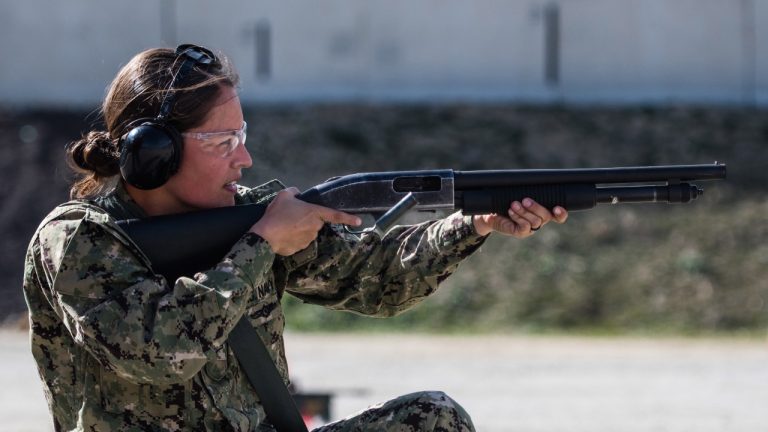
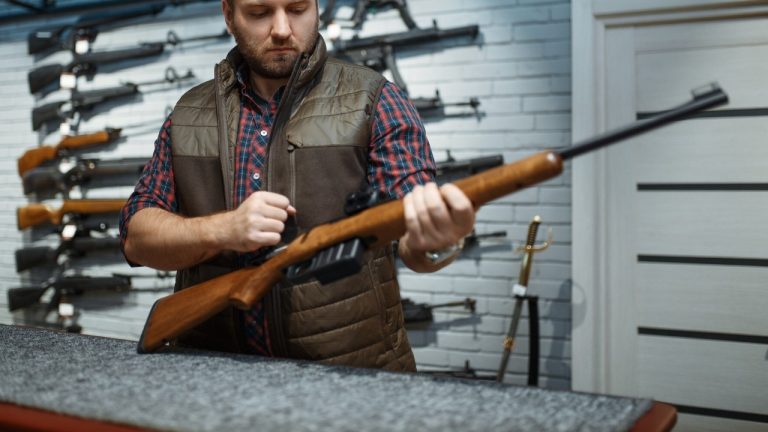
Culture is the final factor. Some firearms become embedded in national identity or local status hierarchies. Hunters may prefer a particular shotgun because their parents used it, while armed groups might prize a certain rifle as a symbol of resistance. Once a weapon acquires that symbolic weight, users often invest extra effort to keep it running, even when better options exist on paper.
Why long-lived firearms matter in current conflicts and crime
The persistence of older guns is not a neutral curiosity. It shapes how violence unfolds and how difficult it is to control. When aid partners send weapons to allies, they are often shipping platforms that already have long service histories and proven durability. Those same traits make diversion and resale more dangerous, because the guns that leak into black markets are precisely the ones that can function for decades with sporadic care.
In Papua New Guinea, the appearance of Australian and United States supplied rifles in tribal fighting raised questions about stockpile security, tracking, and end-user monitoring. Each diverted weapon effectively becomes a long-term asset for whichever group controls it. A rifle that can be buried in a cache, dug up years later, and still operate gives local leaders a durable means of coercion that outlasts political cycles and development projects.
Urban crime also reflects this dynamic. Police in many cities seize firearms that are older than the officers carrying them. These guns persist because they are cheap on the secondary market, compatible with common ammunition, and easy for untrained users to operate. Efforts to restrict new sales can reduce future supply, but the existing pool of long-lived weapons continues to circulate, traded and stolen repeatedly.
Humanitarian operations feel the impact as well. Aid workers and peacekeepers often operate in regions where legacy firearms dominate. The presence of durable, familiar guns can make disarmament programs harder, because combatants are reluctant to surrender tools they trust and can maintain without external support. Even when buyback schemes offer cash, the perceived lifetime utility of a proven rifle can outweigh the immediate payout.
On the policy side, the endurance of certain platforms complicates export controls. Once a design spreads across continents, with licensed and unlicensed copies, tracing specific guns back to their origin becomes difficult. Serial numbers can be removed, but the underlying mechanical pattern continues to propagate in local workshops and small factories. Long-lived firearms therefore blur the line between legal and illicit production, since copies can be assembled from a mix of original and homemade parts.
How future design and policy could change which guns endure
Looking ahead, the traits that keep firearms in use for decades are unlikely to disappear, but they may evolve. Manufacturers are experimenting with lighter materials and more integrated electronics, from smart optics to fire control chips. These features promise better performance, yet they often reduce the tolerance for neglect that made older guns so persistent. A rifle that depends on proprietary batteries or sealed components is harder to keep alive in a remote village or a jungle cache.
Some designers are responding by blending old and new. They retain proven operating systems while adding modular rails, improved ergonomics, and compatibility with modern accessories. This hybrid approach suggests that future classics will still prioritize mechanical simplicity and common ammunition, while offering enough flexibility to stay relevant as optics and tactics change.
Policy could also shift the balance. Stricter end-use monitoring, better marking of parts, and coordinated efforts to secure armories might reduce the number of serviceable weapons that leak into conflicts where they were never intended to appear. However, any such measures collide with the reality that millions of durable firearms already exist. Many are stored in poorly documented depots or private collections, waiting for a moment when they become valuable again.

Leo’s been tracking game and tuning gear since he could stand upright. He’s sharp, driven, and knows how to keep things running when conditions turn.