

Game That Makes the Backcountry Worth the Trip
There’s something about backcountry hunting that separates the weekend warrior from the die-hard outdoorsman. It’s not just the miles hiked or the weight of your pack—it’s the promise of finding game that challenges your skill, patience, and endurance. Some species demand every ounce of preparation and instinct, rewarding you with more than just meat on the table. They test your ability to read the land, track the quarry, and make every shot count. The animals on this list aren’t just trophies—they’re experiences that make the long hours and rugged terrain worth it.
Rocky Mountain Elk

Hunting Rocky Mountain elk is a test of stamina and patience. These animals are intelligent and highly aware, often forcing you to traverse steep ridges and dense timber to get within range.
Every stalk teaches observation and timing, from listening to bugle calls at dawn to identifying subtle signs in the brush. A clean shot isn’t just skill—it’s the culmination of hours of tracking and positioning. The meat and trophy are rewards, but the real payoff is in the challenge, the solitude, and the satisfaction of connecting with a species that dominates its rugged environment.
Mountain Goat
Mountain goats demand some of the harshest conditions in North America. They inhabit steep cliffs and high alpine terrain, where even a small misstep can turn a hunt into a dangerous adventure.
Approaching these sure-footed animals requires patience, planning, and a keen eye. They spot movement from miles away, teaching you the importance of slow, deliberate motion. Every encounter hones balance, navigation, and mental focus. The payoff is a rare connection with an animal few ever see up close, along with the pride of conquering terrain that challenges your physical limits.
Desert Bighorn Sheep
Desert bighorn sheep are a testament to resilience. They survive in some of the harshest climates, forcing hunters to adapt to heat, sparse water sources, and unpredictable terrain.
Every stalk requires careful route planning and understanding animal behavior. You learn to read the desert like a book, noticing subtle tracks and signs that others might miss. The challenge isn’t just the shot—it’s enduring the environment long enough to earn it. Success is measured in perseverance, patience, and respect for a species that thrives where many would falter.
Moose

Moose are solitary giants, often found in remote, swampy forests or rugged mountainous areas. Their size and awareness make every approach a careful negotiation.
Hunting moose demands understanding terrain, wind, and animal behavior. You might spend hours tracking a single animal or glassing from a ridge to locate one. The experience teaches stealth, timing, and persistence. A clean harvest is rewarding, but the true value lies in navigating challenging landscapes and connecting with a species that commands respect for its power and elusive nature.
Caribou
Caribou hunts push both endurance and patience. These migratory animals travel vast distances, requiring hunters to navigate tough terrain and unpredictable weather.
Success demands preparation and adaptability. You learn to move efficiently across tundra and forested landscapes, often carrying gear for long stretches. Tracking is a mental game as much as a physical one, honing your ability to read signs and anticipate movement. The reward is more than meat—it’s witnessing an iconic species in its natural environment and testing your abilities in a demanding setting.
Mule Deer
Mule deer are cunning and highly alert, often inhabiting rugged canyons and foothills. Their wariness forces hunters to be deliberate and observant with every step.
Every hunt teaches glassing, terrain reading, and approach strategies. The challenge isn’t just spotting them—it’s closing the gap without spooking them. A successful hunt rewards your knowledge of habitat, animal behavior, and patience, reminding you why time in the backcountry is about skill and connection, not just harvest.
Mountain Lion
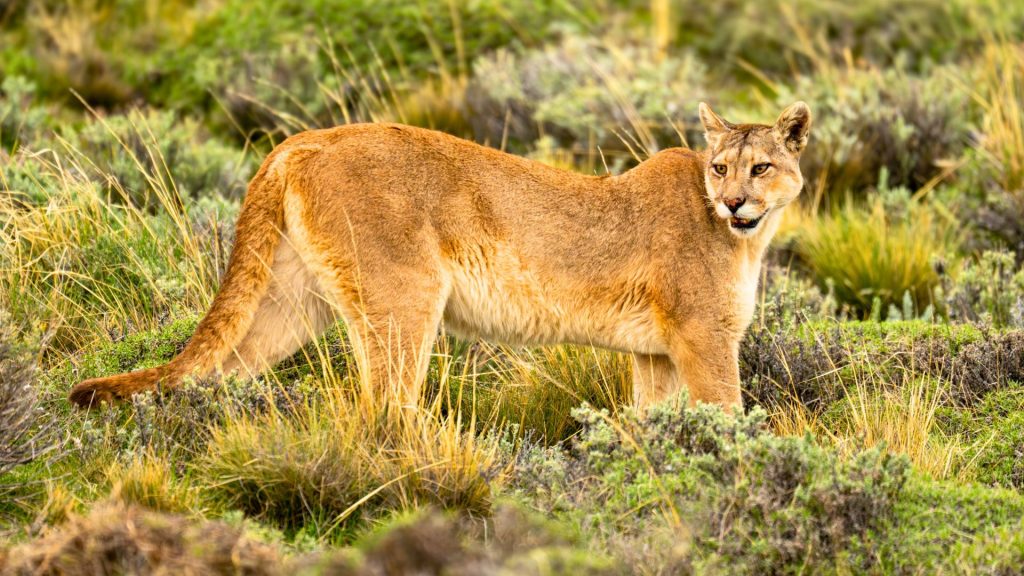
Hunting mountain lions requires tracking, knowledge, and patience. These elusive predators are primarily nocturnal and extremely cautious of human activity.
You learn to read subtle signs—scrapes, tracks, and vocalizations—while moving quietly through rugged terrain. It’s a hunt of strategy and observation, where understanding the environment is as important as marksmanship. Success is rarely easy, but encountering such a stealthy, powerful predator in its home range is a rare and unforgettable experience.
Pronghorn Antelope
Pronghorn antelope hunts test endurance and speed. These animals rely on eyesight and acceleration to evade predators, making stalks and shots challenging.
You learn to manage long-distance approaches and gauge wind, terrain, and speed. Hunting pronghorn sharpens patience and observation skills while offering a physical challenge in open plains or rolling hills. The reward is not only in a successful harvest but in understanding an animal that thrives on vigilance and movement, creating a backcountry experience that tests your skills fully.
Black Bear
Black bears can be found across forests and mountainous regions, but they’re clever and unpredictable. Hunting them demands keen awareness and safety precautions.
Scouting, baiting, or spot-and-stalk methods teach patience and planning. Bears react to subtle changes in environment, forcing you to move silently and think ahead. The hunt combines mental focus with strategy, rewarding those who understand the animal’s behavior. Beyond the trophy, it’s a reminder that success in the backcountry comes from knowledge, respect, and adaptability.
Mountain Caribou
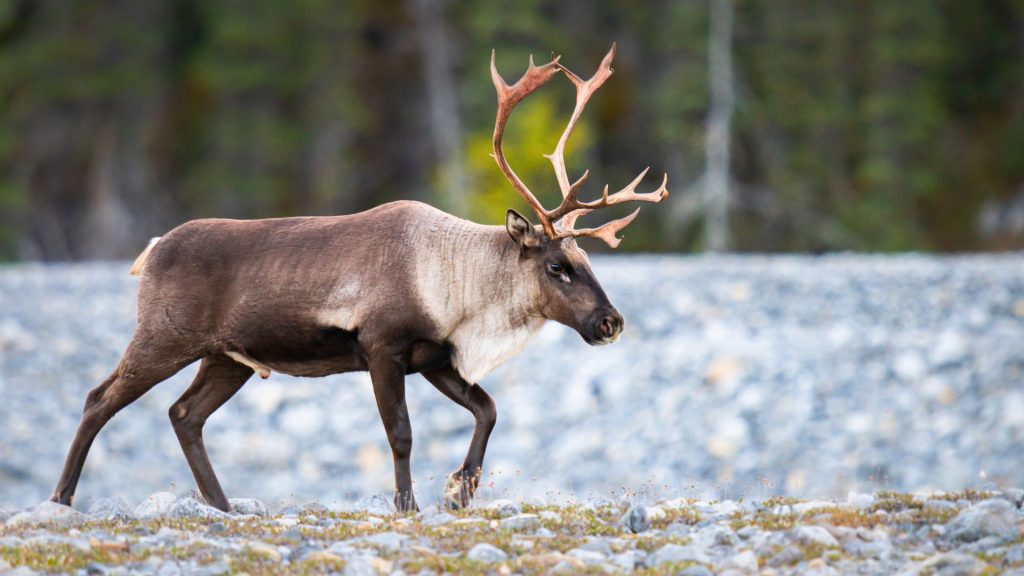
Mountain caribou inhabit remote, often snow-covered regions. Their rarity and the difficulty of accessing their habitat make each hunt an expedition in itself.
Hiking long distances through challenging terrain sharpens endurance and navigation. Tracking a species so cautious and elusive requires patience and understanding of alpine ecosystems. The reward goes beyond harvest; it’s the thrill of moving through untamed landscapes and experiencing a connection with a species few ever encounter in its natural range.
Dall Sheep
Dall sheep occupy high, rugged mountains where the environment is as challenging as the animal. Approaching these sheep demands caution, stamina, and careful observation.
Every stalk tests climbing ability and patience. You must read slopes, wind direction, and animal behavior simultaneously. The hunt teaches respect for terrain and wildlife alike. Successfully reaching a vantage point and closing the distance on a wary sheep is an accomplishment in itself, offering an unforgettable experience that validates every mile trudged in the backcountry.

Asher was raised in the woods and on the water, and it shows. He’s logged more hours behind a rifle and under a heavy pack than most men twice his age.


