Calibers That Make Big Bucks Harder to Score
Some cartridges look fine on paper but turn every shot on a mature buck into a gamble. Maybe the recoil pushes you around just enough to ruin your timing. Maybe the bullet underperforms once it hits heavy bone. Or maybe the round drifts more than you planned the second a breeze cuts across a hardwood ridge. Hunters learn quickly that certain calibers make big deer feel farther away than they are. These aren’t useless rounds, but they carry trade-offs that show up when a bruiser finally steps into the open.
.22-250 Remington

The .22-250 is fast and flat, and many hunters fall for its accuracy on the range. In the deer woods, though, its light bullet weight leaves little margin for error. Shoulder shots on a mature buck can lead to poor penetration, and angling shots become even riskier. A broadside double-lung hit will work, but that assumes absolute precision under pressure.
Wind drift adds another variable. Even a slight crosswind can push the light bullets more than you’d expect. Hunters who aren’t careful often track farther than they planned, and while the round can be effective, it doesn’t forgive the slightest misplacement.
.243 Winchester
The .243 has put plenty of deer on the ground, but it demands careful shot selection when you’re dealing with a thick-bodied buck. Light-for-caliber bullets can struggle when you hit heavy shoulder bone, and impact performance drops noticeably with poor bullet construction. Many hunters underestimate how narrow its “safe” shot window can be, especially past 200 yards.
If you favor speed and low recoil, the .243 works. But if you hunt where bucks run big and the cover is tight, the margin for error shrinks fast. It’s a round that rewards patience and punishes rushed decisions, particularly when bone gets in the way.
.223 Remington
Legal in many states but far from ideal on big-bodied deer, the .223 often behaves differently than hunters expect. The small-diameter bullet loses momentum quickly when striking ribs or shoulders, and the wound channel varies widely depending on the bullet. Some controlled-expansion loads do well, but many common offerings struggle the moment bone is hit.
It’s a cartridge that requires discipline—broadside, close, and calm. Anything less and you may watch a buck disappear into thicker cover than you’d like. While the .223 can work, relying on it for a mature buck often forces the hunter into overly selective and stressful shot scenarios.
.300 Winchester Magnum
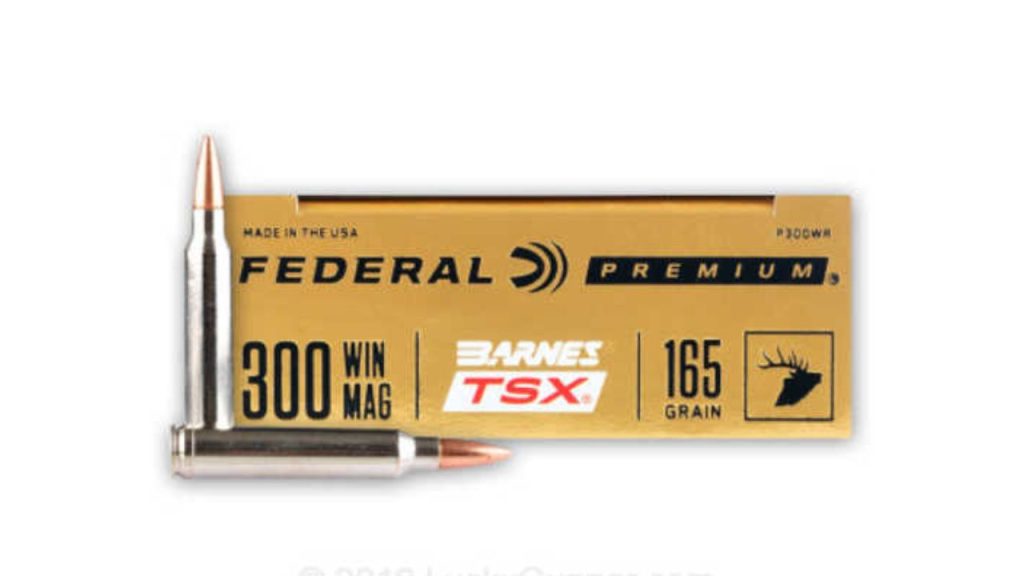
The .300 Win. Mag. hits hard, but that power comes with recoil that can sabotage accuracy for many shooters. The flinching starts small—an early blink, a tightened grip—and grows until shot placement becomes inconsistent. On whitetails, the extra energy isn’t always necessary and can cause excessive meat damage when hits land forward.
A cartridge like this performs well when handled by a practiced marksman. For the average deer hunter, though, the recoil alone makes big buck encounters more nerve-racking than they need to be. Misses and marginal shots often trace back to anticipation, not ballistics.
7mm Remington Magnum
The 7mm Rem. Mag. lands in the same category as the .300 Win. Mag., with recoil that’s manageable for some but too jumpy for others. Its high velocity can also lead to bullet blow-up with lighter projectiles, especially at closer ranges. This results in shallow penetration and long tracking sessions when you least want them.
It’s a great round when paired with a sturdy bullet and a shooter who knows it well. But for hunters who take it into the woods unprepared, the round magnifies every flinch and every mistake. Big bucks don’t wait around for a second chance.
.45-70 Government with Lightweight Loads
The .45-70 is legendary, but many modern lightweight loads create more problems than they solve. They’re soft-shooting, but they sacrifice the deep penetration the cartridge is known for. Hunters often assume the caliber alone guarantees success, then get unexpected results on quartering shots where momentum matters.
Even with full-power loads, the rainbow trajectory makes longer shots trickier. Big bucks rarely hold still long enough for range estimation errors, and the drop becomes a real issue past 150 yards. It’s a specialized round that some hunters stretch too far.
.30 Carbine
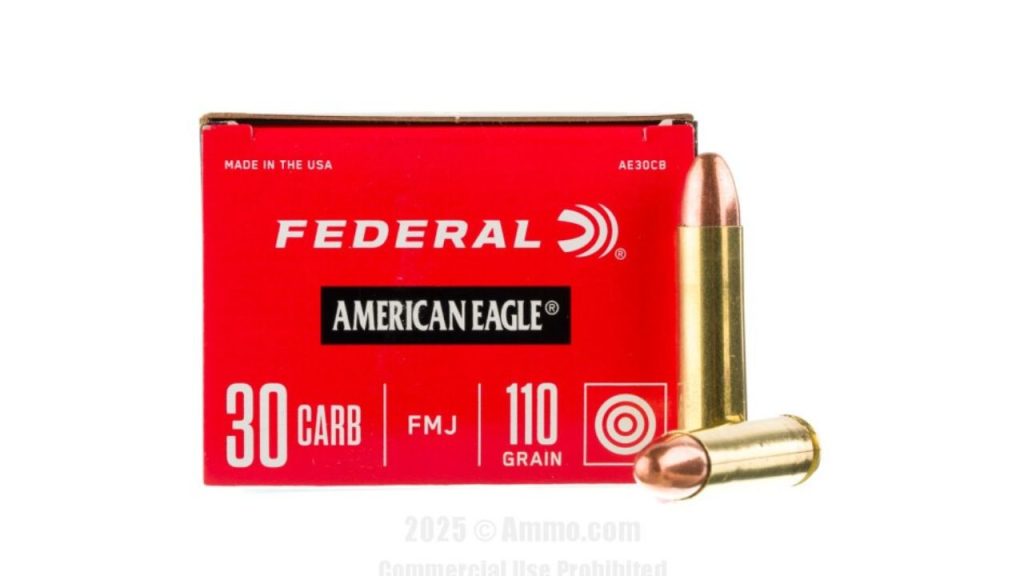
The .30 Carbine sits in an odd middle ground. It carries enough energy for smaller deer, but mature bucks are another story. Penetration is spotty, the bullet design is limited, and expansion isn’t consistent. The cartridge struggles when shots aren’t perfectly broadside or when buck-sized bones come into play.
Hunters who try it because of its nostalgia or light recoil often learn quickly that it’s not built for the toughest deer in the herd. While fun at the range, it doesn’t inspire confidence on a frosty November morning.
6.5 Grendel
The 6.5 Grendel is an excellent mid-range cartridge, but its lower velocities limit performance on bigger deer, especially with marginal shots. It needs controlled-expansion bullets to get the job done, and anything soft tends to fail on shoulder hits. The AR platform makes it appealing, yet barrel length variations add even more unpredictability.
Inside 200 yards, it performs well with careful placement. Beyond that, energy drops quickly. Hunters expecting 6.5 Creedmoor-like performance often discover the hard way that the Grendel isn’t built for the same demands.
.44 Magnum from Carbines
A .44 Mag carbine packs punch up close, but its trajectory and energy fall off quickly. Past 100 yards, the bullet drop becomes steep, and even slight range estimation errors lead to low hits. Penetration remains solid, but expansion varies widely with bullet choice and velocity.
Hunters using it in thick timber do fine. Anyone stretching shots across open hardwood ridges or fields risks making a mature buck harder to anchor cleanly. The platform matters too—some lever guns handle recoil well, others don’t.
.357 Magnum from Carbines

Much like the .44 Mag, the .357 Magnum works at close range but runs thin past moderate distances. Expansion can be erratic, especially if a bullet designed for handguns fails to open at carbine velocities or over-expands at close range. Both scenarios lead to unpredictable wound channels on bigger deer.
The cartridge shines in tight cover and for younger hunters who are recoil-shy. But when a trophy buck steps out at 120 yards, the limitations become obvious. It’s a round that demands restraint.
.410 Slug Loads
Yes, the .410 is gaining popularity thanks to modern slug designs, but it still handicaps the hunter when aiming at a mature buck. Penetration varies dramatically, and the small payload leaves very little room for error. If the slug doesn’t track straight or fails to expand, you’ll be in for a long evening.
Some states now allow .410 for deer, but legality doesn’t always equal capability. It can work, but it makes every shot feel like threading a needle—hardly ideal when adrenaline is high.
.300 Blackout
The .300 Blackout has a strong following, yet many of its popular subsonic loads lack the velocity needed for reliable expansion on big deer. Even with supersonic rounds, energy drops quickly beyond 150 yards. Hunters relying on short barrels also lose speed, weakening performance even more.
It’s a solid hog round and a good fit for thick brush, but it can make big buck encounters unnecessarily tricky. To get consistent results, you need the right bullet, the right distance, and the right angle—all at the same moment the deer cooperates.

Leo’s been tracking game and tuning gear since he could stand upright. He’s sharp, driven, and knows how to keep things running when conditions turn.